
By Louis ‘Barok‘ C. Biraogo
Why It Matters: A Look at the Controversy
The legal storm surrounding Mayor Alice Guo of Bamban, Tarlac, is unfolding with intense scrutiny. The Department of Justice (DOJ) has initiated a preliminary investigation into human trafficking charges against her, a move that has stirred significant controversy. At the heart of the dispute are documents such as an electric bill, letter of no objection, and articles of incorporation, which Guo’s legal counsel argues are insufficient to substantiate the charges.
The Case Against Guo: Legal Challenges
The case against Mayor Guo hinges on allegations of human trafficking, a severe offense under Philippine law. The Anti-Trafficking in Persons Act of 2003 (RA 9208) defines human trafficking as recruiting, transporting, transferring, harboring, or receiving persons, particularly women and children, by means of threat, force, or other forms of coercion, abduction, fraud, deception, or abuse of power.
Beyond a Reasonable Doubt: Evidence and Supporting Judgments
- Overt Act Requirement: The Supreme Court in Arroyo vs. People emphasizes the necessity of an overt act, defined as a physical activity or deed intended to commit a particular crime. This must be more than mere planning or preparation and must logically lead to a concrete offense if not interrupted. The prosecution must demonstrate such acts by Guo.
- Documentary Evidence: The documents presented, including an electric bill and articles of incorporation, may be argued as circumstantial evidence. However, the prosecution needs to connect these documents to an overt act of human trafficking, as per the Supreme Court’s stringent requirements in People v. Chua, which underscored the need for clear and convincing evidence in human trafficking cases.
Can the Charges Hold? Examining Guo’s Legal Rebuttal
Mayor Guo’s defense, spearheaded by the highly esteemed lawyer Alex Avisado, masterfully asserts that the case is weak due to the lack of an overt act. Avisado, renowned for his legal acumen, meticulously argues that mere possession of documents does not constitute human trafficking without a demonstrable act linked to the crime.
- Insufficient Evidence: The defense argues that the documents do not fulfill the requirement of an overt act as defined by the Supreme Court. The lack of direct evidence against Guo weakens the prosecution’s case, as highlighted in People v. Balasa, where the court emphasized the necessity of direct involvement in the alleged crime.
- Due Process Rights: Under the Philippine Constitution, every accused has the right to due process. This entails a fair trial and the right to be presumed innocent until proven guilty. The defense can leverage Umil v. Ramos, where the Supreme Court upheld the necessity of respecting due process rights in criminal prosecutions.
Unfolding the Process: Key Milestones in the Case
The procedural journey of this case involves several critical stages:
- Preliminary Investigation: The DOJ’s panel of prosecutors will conduct a preliminary investigation. The respondents, including Mayor Guo, must submit their counter-affidavits and appear personally to affirm them.
- Resolution by Prosecutors: After reviewing the evidence and counter-affidavits, the panel will decide whether there is probable cause to file charges in court.
- Filing of Information: If probable cause is established, the case will proceed to the filing of an information in court, leading to an arraignment where Guo will enter a plea.
- Trial: The case will then go through trial, where both parties will present evidence and witnesses. The court will assess whether the prosecution has proven Guo’s guilt beyond a reasonable doubt.
Beyond Rhetoric: A Dispassionate Examination
At this stage, the defense appears to have the upper hand due to the apparent insufficiency of evidence. The requirement for an overt act, as stipulated by the Supreme Court, is a significant hurdle for the prosecution. Without direct evidence linking Guo to the alleged human trafficking activities, the case against her remains tenuous.
A Way Forward: Practical Recommendations Analyzed
To the Prosecution:
- Strengthen Evidence: Gather more concrete evidence that demonstrates an overt act of human trafficking.
- Witness Testimony: Identify and present witnesses who can directly link Guo to the crime.
To the Defense:
- Highlight Legal Precedents: Emphasize Supreme Court rulings that necessitate an overt act for human trafficking charges.
- Ensure Due Process: Continuously stress the importance of due process and the presumption of innocence.
As the case unfolds, the battle for justice will hinge on the ability of each side to substantiate their claims within the bounds of the law. The legal community will undoubtedly watch closely, as this case could set significant precedents for future human trafficking prosecutions in the Philippines.

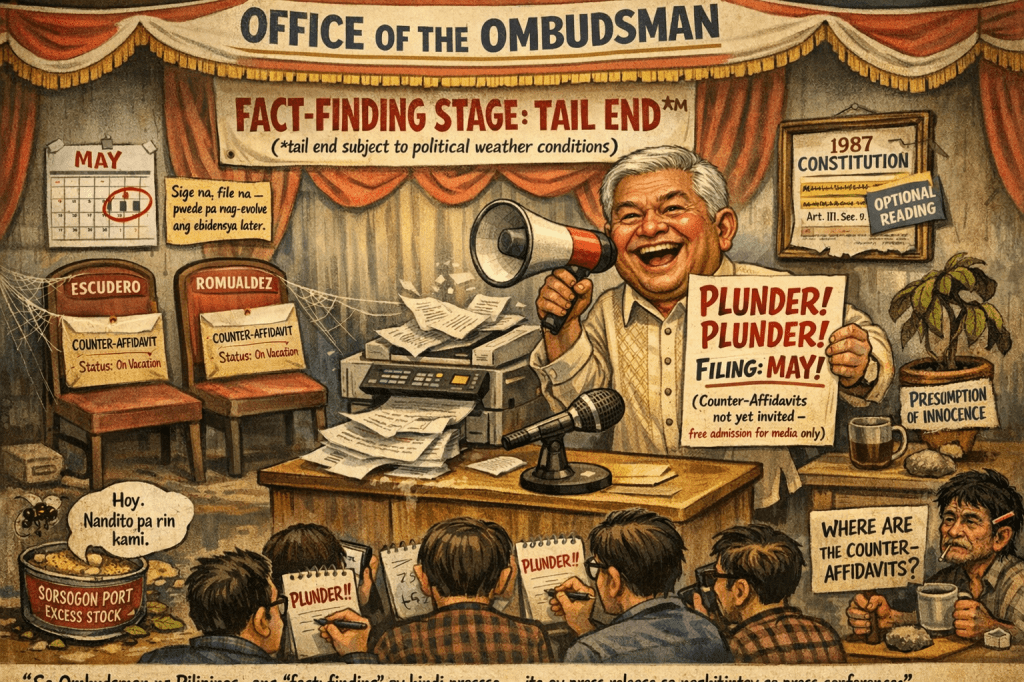
- Guilty Until Fact-Finding Ends: Chiz, Romualdez, and the Ombudsman’s Premature Verdict

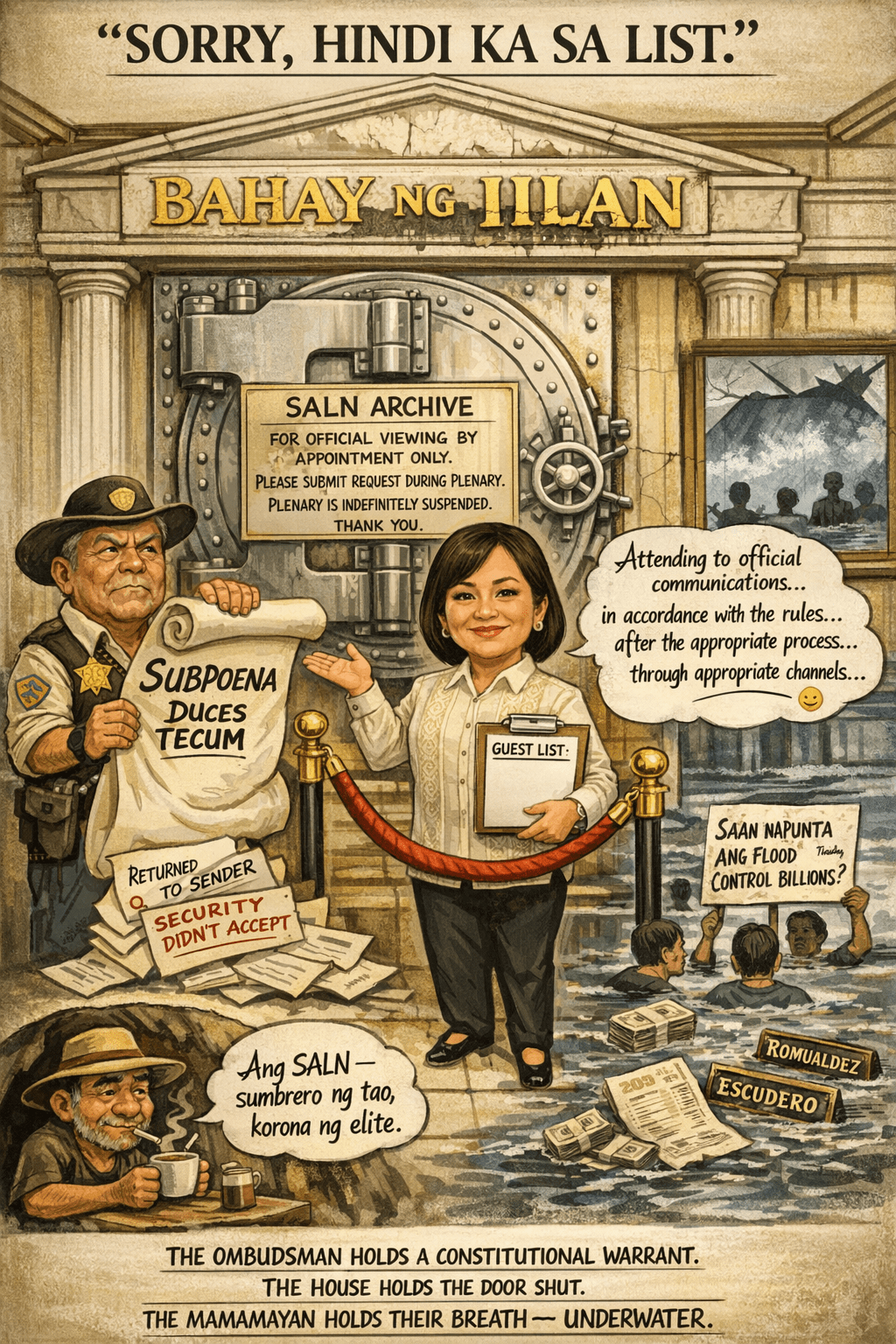
- Ombudsman Remulla Slams Garafil: Release SALNs or Face Suspension!

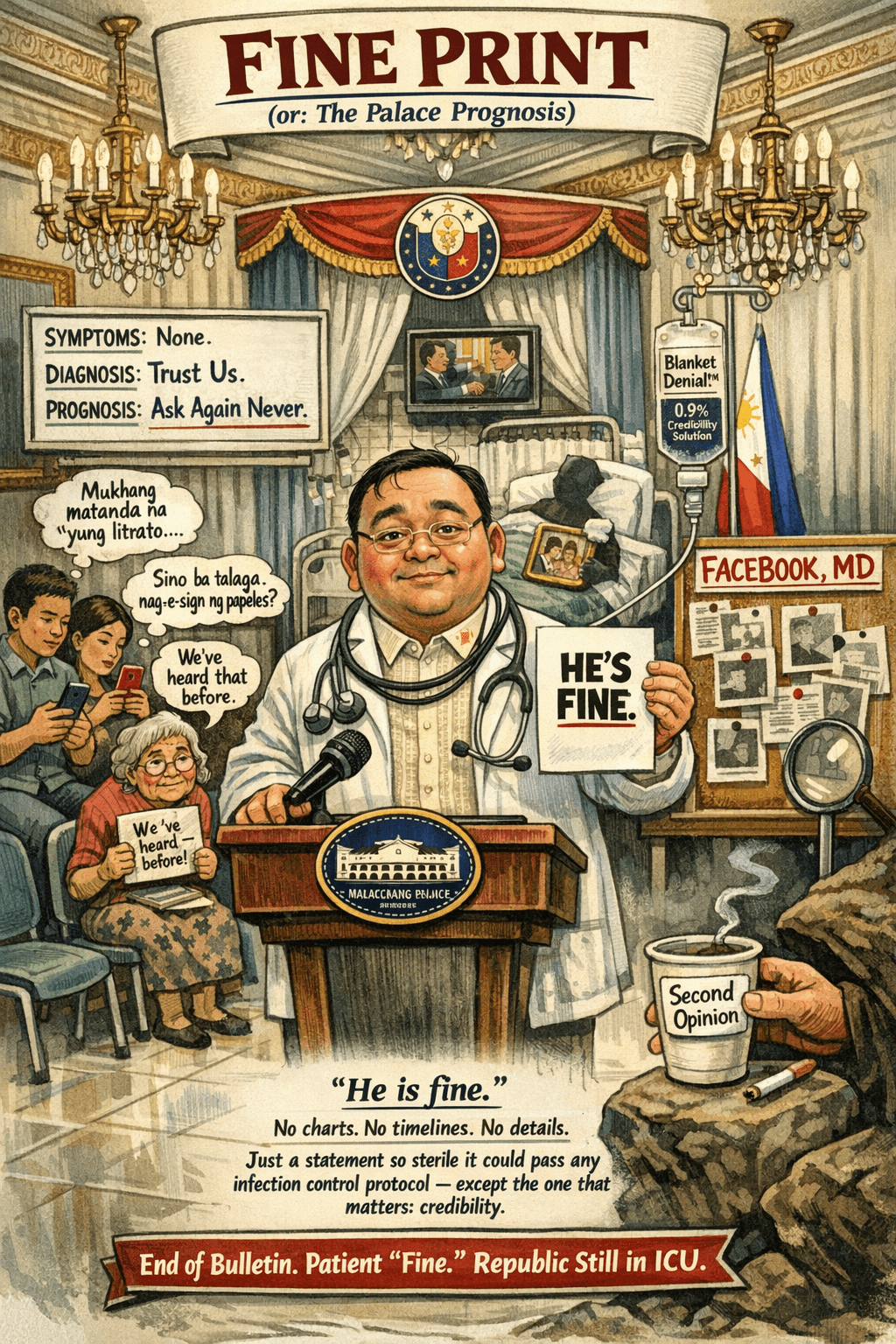
- MALACAÑANG MEDICAL BULLETIN: PATIENT IS ‘FINE,’ SYMPTOMS INCLUDE DENIAL

- NAIA Theft Scandal 2026: DOTr’s “Zero Tolerance” Warning After Screeners Rob Australian Tourist

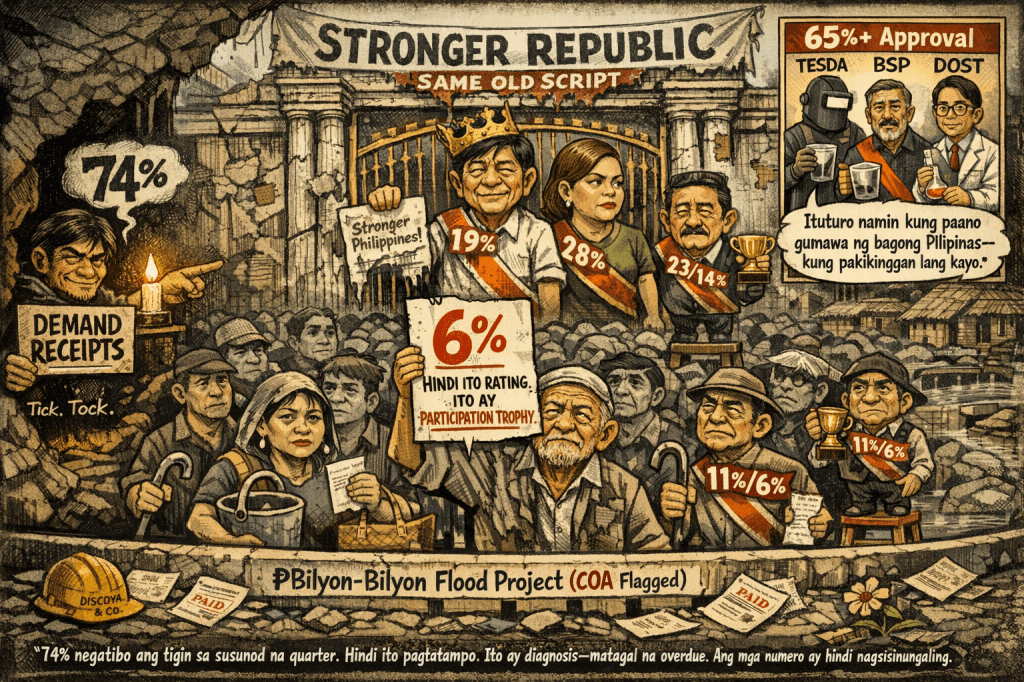
- 74% Negative Outlook: Filipinos Finally Demand Receipts, Not Promises

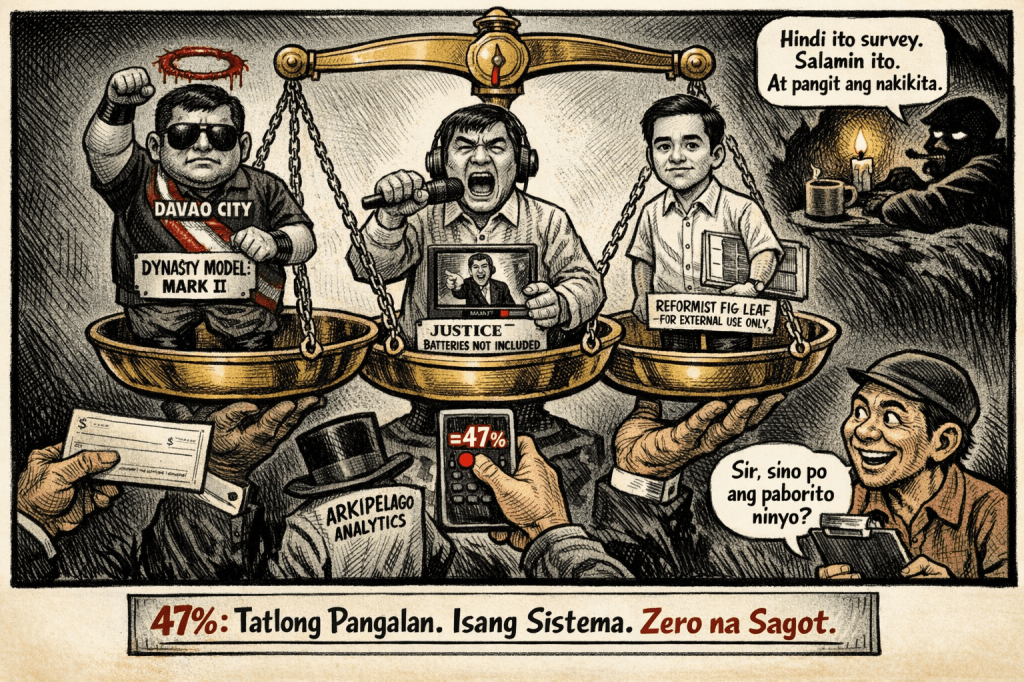
- Baste, Raffy, Vico at 47%—Philippine Democracy’s Most Honest Mirror (And It’s Ugly)
- NAIA Ceiling Collapse: Plywood Prayer or Pure Negligence?

- Suicide by Gas Deal: Carpio Slams Palace Gaslighting on China Oil Pact



 KWEBA ni BAROK
Leave a comment