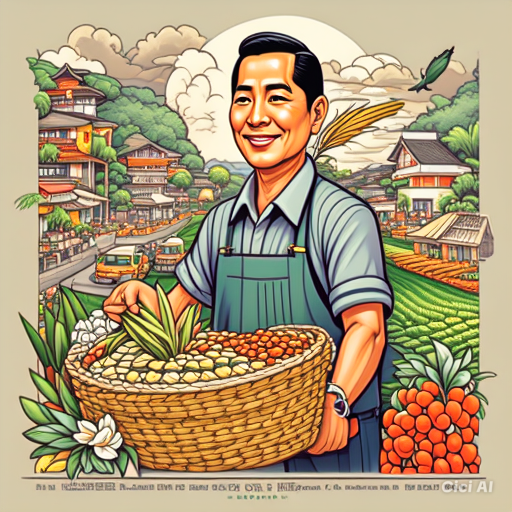
By Louis ‘Barok‘ C. Biraogo
In the mishmash of Philippine agriculture, a bold initiative emerged from the chambers of the House of Representatives, championed by Speaker Martin Romualdez. The vision? Rice self-sufficiency by 2028. This ambitious goal, set against the backdrop of an economy heavily reliant on rice imports, has stirred both hope and skepticism. Yet, in Romualdez’s daring endeavor, we see the contours of a transformative legacy.
From Seed to Security: Building a Rice-Independent Future
Romualdez has articulated a comprehensive strategy, mobilizing an “all-of-government” approach. This includes the Department of Agriculture (DA), the National Irrigation Administration (NIA), the National Food Authority (NFA), and the Department of Public Works and Highways (DPWH). The plan hinges on constructing advanced irrigation systems, creating reservoirs, and ensuring efficient water management. This is not just about water and fields; it’s about forging a sustainable agricultural future.
The Merits of Romualdez’s Perspective
From an economic perspective, achieving rice self-sufficiency is a masterstroke. It addresses multiple layers of the nation’s vulnerabilities. Reducing dependence on rice imports shields the economy from global market fluctuations and supply chain disruptions. In the long run, it will stabilize rice prices, providing relief to millions of Filipinos for whom rice is a daily staple.
Environmentally, the focus on irrigation and water management is pivotal. Efficient irrigation systems mean more resilient crops, less water wastage, and better flood control. This is a forward-thinking move in a country frequently battered by typhoons and seasonal flooding.
Socially, empowering local farmers through improved infrastructure and support systems will invigorate rural economies. It is a strategy that promises to uplift livelihoods, ensuring that the benefits of agricultural prosperity are felt across the nation.
Decoding Romualdez’s Success Factors
Romualdez’s initiative has several potential strengths:
- Comprehensive Planning: The involvement of multiple government agencies ensures a holistic approach, tackling the problem from various angles.
- Political Will: With President Ferdinand Marcos Jr.’s backing and the full force of the legislative and executive branches, the initiative has the political muscle needed to drive real change.
- Long-term Vision: Setting a target for 2028 allows for detailed, phased planning and implementation, avoiding the pitfalls of rushed and poorly executed projects.
Barriers to Progress
However, the path to rice self-sufficiency is strewn with challenges. The recent tariff cuts on rice and other staples, mandated by Executive Order No. 62, have sparked controversy. Agricultural groups argue that these cuts, designed to manage inflation and increase supply, were implemented without proper consultation. They fear an influx of cheaper imports could undermine local farmers.
Furthermore, infrastructural projects like irrigation systems require substantial investment and meticulous execution. Any missteps could lead to cost overruns and delays, derailing the entire initiative. Bureaucratic inefficiencies and potential resistance from vested interests in the agricultural sector could also pose significant hurdles.
Advocating for Collective Unity
In light of these challenges, unity among Filipinos is paramount. Romualdez’s vision will only succeed if it is supported by a collective national effort. Farmers, policymakers, and citizens must collaborate, putting aside differences to work towards a common goal. This is a moment for solidarity, where the nation must rally behind an initiative that promises a more secure and prosperous future.
Strategic Suggestions for Moving Forward
To ensure the success of this monumental task, the following steps are crucial:
- Stakeholder Engagement: Engage agricultural groups, local farmers, and industry experts in the planning and implementation phases to ensure their concerns and insights are incorporated.
- Transparent Processes: Establish transparent mechanisms for monitoring the progress of irrigation projects and other infrastructural developments to avoid corruption and inefficiency.
- Phased Implementation: Roll out projects in phases, allowing for assessment and adjustments to be made in real-time, ensuring the initiative remains on track.
- Educational Campaigns: Launch campaigns to educate farmers on modern agricultural practices and the benefits of the new irrigation systems, fostering community buy-in and participation.
In conclusion, Speaker Martin Romualdez’s bold initiative to achieve rice self-sufficiency by 2028 is a beacon of hope in the complex world of Philippine agriculture. It is a vision that, if realized, could transform the nation, ensuring economic stability, environmental resilience, and social upliftment. The road ahead is challenging, but with unity, transparent governance, and unwavering commitment, this ambitious goal is within reach. The suspense now lies in whether the collective will of a nation can turn this vision into reality.

- “Forthwith” to Farce: How the Senate is Killing Impeachment—And Why Enrile’s Right (Even If You Can’t Trust Him)
- “HINDI AKO NAG-RESIGN!”

- “I’m calling you from my new Globe SIM. Send load!”

- “Mahiya Naman Kayo!” Marcos’ Anti-Corruption Vow Faces a Flood of Doubt

- “Meow, I’m calling you from my new Globe SIM!”

- “No Special Jail for Crooks!” Boying Remulla Slams VIP Perks for Flood Scammers

- “PLUNDER IS OVERRATED”? TRY AGAIN — IT’S A CALCULATED KILL SHOT

- “Several Lifetimes,” Said Fajardo — Translation: “I’m Not Spending Even One More Day on This Circus”






 KWEBA ni BAROK
Leave a comment