By Louis ‘Barok‘ C. Biraogo
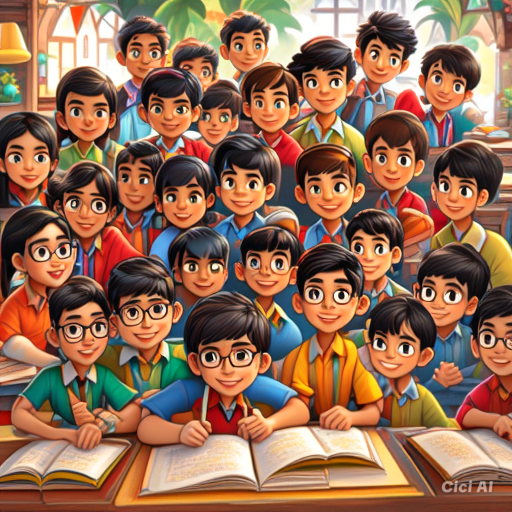
In a move that has garnered widespread approval, Senator Juan Edgardo ‘Sonny’ Angara has been appointed as the next Secretary of Education, tasked with a daunting mission: to make the Philippines’ education sector globally competitive. With credentials bolstered by his leadership in the Second Congressional Commission on Education (Edcom 2), Angara steps into a role that demands transformative change.
The current state of Philippine education is alarming. The 2022 World Bank Learning Poverty Report reveals that 90.7 percent of Filipino children aged 10 cannot read or understand a simple story. In the latest Program for International Student Assessment (PISA) Report, the Philippines ranked 77 out of 81 countries, painting a bleak picture of the nation’s educational standing.
The Climb: Scaling the Obstacles Before Us
Legal and Budgetary Obstacles:
Despite education receiving the largest portion of the government budget, the Philippines invests only three to four percent of its GDP in education, half of the global norm. This budgetary constraint is a significant hurdle. Legally, the implementation of sweeping reforms requires navigating a complex bureaucratic system entrenched with outdated practices and resistance to change.
Structural Challenges:
Prolonged school closures during the COVID-19 pandemic exacerbated learning poverty. Early childhood education, crucial for developing foundational literacy and numeracy skills, has been severely impacted. Moreover, teacher quality remains a pressing issue. Many educators lack the necessary training and resources to deliver modern, student-centered education.
Favorable Factors:
Angara’s legislative experience and deep understanding of the educational system position him uniquely to drive reforms. His leadership in Edcom 2, which proposed wide-ranging reforms, is a testament to his commitment. Furthermore, there is broad public and political support for improving education, providing a conducive environment for implementing changes.
The Road to Victory: Paving the Way for Success
Reasons for Optimism:
- Focused Priorities: Addressing learning poverty, improving teacher quality, and reforming the curriculum are clear, strategic priorities. These areas, if tackled effectively, could significantly uplift the quality of education.
- Training and Resources: Allocating resources for teacher training in literacy instruction and providing adequate learning materials are crucial steps. Monitoring mechanisms to track student progress will ensure accountability.
- Curriculum Reforms: Integrating digital literacy, critical thinking, and problem-solving skills into the curriculum can make education more relevant and engaging for students.
- Public Support: The overwhelming support for Angara’s appointment can translate into momentum for reforms. This public backing is essential for overcoming resistance and pushing through necessary changes.
Reasons for Pessimism:
- Budget Constraints: The current investment in education is insufficient. Without a substantial increase in funding, implementing the proposed reforms will be challenging.
- Systemic Resistance: The bureaucratic inertia and resistance to change within the educational system could impede progress. Historical examples, such as the slow implementation of reforms proposed by Edcom 1 in 1991, highlight this risk.
- Infrastructure Deficits: Many schools lack basic infrastructure, including safe buildings and internet connectivity. Bridging this gap requires significant investment and time.
Cracking the Code: Secrets to Unlocking Success
- Increase Education Funding: Advocate for increasing the education budget to align with global standards. Explore partnerships with private sectors and international organizations to supplement funding.
- Strengthen Teacher Training: Implement mandatory, continuous professional development programs focusing on both subject matter expertise and pedagogical techniques. Improve teacher compensation and working conditions to attract and retain talent.
- Curriculum Overhaul: Streamline the curriculum to focus on core competencies while allowing flexibility for local adaptation. Ensure it is culturally responsive and integrates essential 21st-century skills.
- Infrastructure Investment: Prioritize investments in school infrastructure and technology. Ensure that all students have access to safe learning environments and digital tools.
- Governance and Accountability: Enhance governance structures to ensure accountability at all levels. Implement transparent, data-driven decision-making processes to foster continuous improvement.
The mission to reform the Philippine education system is fraught with challenges but is also ripe with potential. Angara’s appointment brings a gleam of optimism, but the journey ahead requires unwavering commitment, substantial resources, and a collaborative effort from all stakeholders. The stakes are high, and the world watches, hoping that this bold mandate will finally transform the Philippine education sector and secure a brighter future for its children.

- ₱75 Million Heist: Cops Gone Full Bandit

- ₱6.7-Trillion Temptation: The Great Pork Zombie Revival and the “Collegial” Vote-Buying Circus

- ₱1.9 Billion for 382 Units and a Rooftop Pool: Poverty Solved, Next Problem Please

- ₱1.35 Trillion for Education: Bigger Budget, Same Old Thieves’ Banquet

- ₱1 Billion Congressional Seat? Sorry, Sold Out Na Raw — Si Bello Raw Ang Hindi Bumili

- “We Will Take Care of It”: Bersamin’s P52-Billion Love Letter to Corruption

- “Skewed Narrative”? More Like Skewered Taxpayers!

- “Scared to Sign Vouchers” Is Now Official GDP Policy – Welcome to the Philippines’ Permanent Paralysis Economy


 KWEBA ni BAROK
Leave a comment