By Louis ‘Barok‘ C. Biraogo
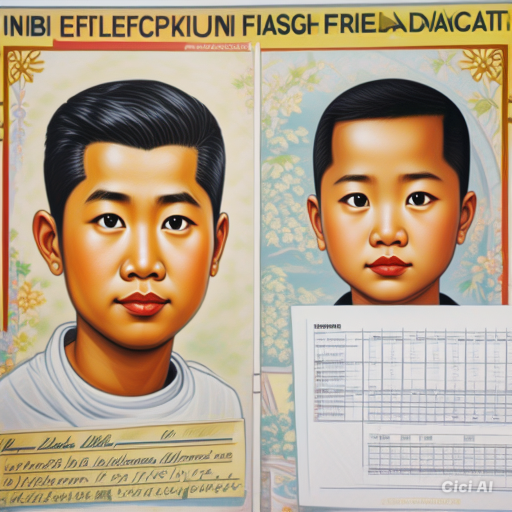
In a chilling revelation, the National Bureau of Investigation (NBI) in Davao City has unearthed a deeply troubling anomaly: nearly 200 falsified birth certificates issued to Chinese nationals by a single town’s civil registry. This discovery exposes a systemic fraud that undermines the integrity of Philippine documentation processes and opens the door to potentially severe national security threats.
Unveiling of the Fraud
The story began to unfold when the Department of Foreign Affairs (DFA) flagged a 21-year-old Chinese male for providing contradictory statements while applying for a passport. This red flag led the NBI to arrest the individual, who had presented a fraudulent birth certificate claiming he was born in Santa Cruz, Davao del Sur, under the Filipino name Hengson Limosnero. The subsequent investigation revealed that this was not an isolated incident but part of a much larger scheme involving close to 200 falsified documents issued between 2018 and 2019.
Commending the NBI’s Diligence
The NBI’s dogged pursuit of truth and justice deserves commendation. Their meticulous work in uncovering this massive fraud not only highlights their commitment to upholding the law but also serves as a critical bulwark against corruption and illegal immigration. This investigation demonstrates the agency’s ability to act decisively in the face of complex criminal activities, setting a powerful precedent for law enforcement in the Philippines.
Condemning the Perpetrators
The perpetrators of this fraudulent scheme, both the Chinese nationals who acquired these fake documents and the officials who facilitated them, must face the harshest scrutiny and condemnation. This is not merely a case of falsification of documents; it is an assault on the sovereignty and legal integrity of the Philippines.
Legal Violations
- Philippine Passport Act of 1996 (Republic Act No. 8239): The use of false documents to obtain a passport is a clear violation of this Act. The arrested individual must be prosecuted for this offense.
- Revised Penal Code of the Philippines: Under Articles 171 and 172, falsification of public documents is a serious crime punishable by imprisonment.
- Philippine Supreme Court Precedents: In the landmark case of People v. Dela Peña, the Supreme Court affirmed the stringent penalties for falsification of public documents, underscoring the importance of document integrity.
Ethical and Moral Breaches
From an ethical standpoint, the actions of these individuals represent a profound betrayal of trust. The civil registry officials who issued these fraudulent certificates likely did so out of greed, compromising their moral obligations and the integrity of their office. This kind of corruption erodes public trust and endangers the community by allowing potentially dangerous individuals to integrate into society under false pretenses.
Historical Context
This scandal recalls the notorious case of the Marcos-era fake land titles, where rampant document falsification facilitated large-scale land grabbing. Such historical examples illustrate the long-lasting damage that document fraud can inflict on a nation’s legal and social fabric.
Calling for Justice
The gravity of this situation demands an unyielding response. All individuals involved, from the Chinese nationals who exploited the system to the local officials who facilitated the fraud, must be prosecuted to the fullest extent of the law. The NBI has rightly set the stage for such prosecutions, but the judiciary must now follow through with swift and decisive action.
Recommendations for Prosecution and Reform
For the Prosecution:
- Comprehensive Investigation: Extend the investigation to uncover the full extent of the fraud and identify all involved parties.
- Swift Prosecution: Expedite the legal process to bring perpetrators to justice, ensuring that cases do not languish in the courts.
- International Cooperation: Work with international agencies to track and address the global implications of these falsified documents.
For Systemic Reform:
- Strengthening Document Verification: Implement more rigorous verification processes for all civil registry documents to prevent future fraud.
- Enhanced Training for Officials: Provide comprehensive training for civil registry officials to detect and prevent document falsification.
- Public Accountability: Ensure transparency in civil registry operations and hold officials accountable for any breaches of duty.
Conclusion
The NBI’s uncovering of this large-scale birth certificate fraud is a crucial victory for justice and the rule of law in the Philippines. However, this is just the beginning. The perpetrators must be prosecuted with full force, and systemic reforms must be instituted to prevent future occurrences. This scandal serves as a stark reminder of the importance of integrity in public office and the need for constant vigilance against corruption. The path to justice is long and arduous, but it is a journey that must be undertaken with unwavering resolve.

- ₱75 Million Heist: Cops Gone Full Bandit

- ₱6.7-Trillion Temptation: The Great Pork Zombie Revival and the “Collegial” Vote-Buying Circus

- ₱1.9 Billion for 382 Units and a Rooftop Pool: Poverty Solved, Next Problem Please

- ₱1.35 Trillion for Education: Bigger Budget, Same Old Thieves’ Banquet

- ₱1 Billion Congressional Seat? Sorry, Sold Out Na Raw — Si Bello Raw Ang Hindi Bumili

- “We Will Take Care of It”: Bersamin’s P52-Billion Love Letter to Corruption

- “Skewed Narrative”? More Like Skewered Taxpayers!

- “Scared to Sign Vouchers” Is Now Official GDP Policy – Welcome to the Philippines’ Permanent Paralysis Economy





 KWEBA ni BAROK
Leave a comment