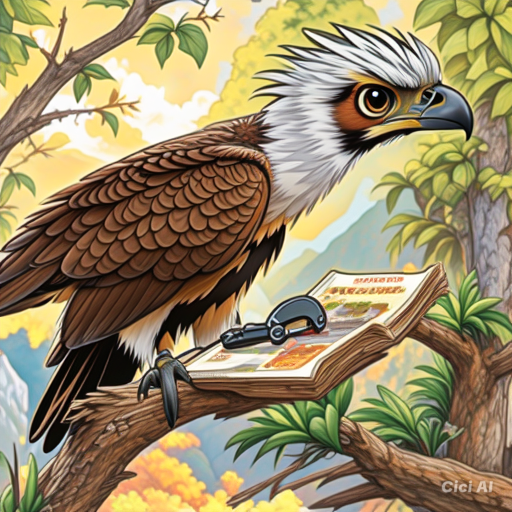
By Louis ‘Barok‘ C. Biraogo
In the remote hills of Compostela, Davao de Oro, a majestic Philippine Eagle named Mangayon met a tragic and untimely death. Shot and left to suffer, Mangayon succumbed to severe blood loss and a high probability of sepsis. This senseless killing is not just a blow to wildlife conservation but a dark stain on our collective conscience.
The Philippine Eagle, a symbol of national pride and natural beauty, now hovers on the brink of extinction. With only an estimated 400 pairs left in the wild, the death of even one of these magnificent birds is a devastating blow. Mangayon’s death is the fourth such case in 2024 alone, adding to a grim tally that includes the eagles Lipadas, Kalatungan, and Nariha Kabugao. Each killing is a reminder of our failure to protect these critically endangered creatures.
A Multifaceted Crisis
From various perspectives, the killing of Mangayon is a multifaceted crisis. From a conservationist’s viewpoint, it is a direct assault on biodiversity. The Philippine Eagle Foundation (PEF) works tirelessly to protect these eagles, yet their efforts are continuously undermined by such brutal acts. “This is the 20th case of eagle rescue since 2020, or a rate of 5 birds per year, which remains high,” the PEF reports. These numbers are alarming and highlight the urgent need for stronger protections and more rigorous enforcement of existing laws.
From a legal perspective, the killing of Mangayon is a blatant violation of wildlife protection laws. The Philippine government has enacted several measures to safeguard endangered species, yet the persistent poaching and shooting of eagles reveal a glaring gap in enforcement. Dennis Salvador, executive director of the PEF, rightly emphasizes the need for “government political will and action” to turn the tide. The perpetrators of this heinous act must be found and prosecuted to the fullest extent of the law. There can be no leniency for those who threaten the survival of an entire species.
Societal and Cultural Failures
Societally, the killing reflects a disturbing disregard for the natural world. Education and awareness campaigns about the importance of wildlife conservation have clearly not reached everyone. The Philippine Eagle is not just a bird; it is a national symbol, a creature revered in our culture and heritage. Yet, such acts of violence show that this reverence is not universally shared. This disconnect must be addressed through comprehensive education programs that instill a deep respect for nature in every Filipino.
Economically, the loss of each eagle is a loss of potential eco-tourism revenue. The Philippine Eagle draws bird watchers and nature enthusiasts from around the globe. Protecting these birds can have significant economic benefits, providing jobs and fostering sustainable development in rural areas. Yet, without effective protection, these opportunities are lost.
A Call for Government Action
Salvador’s call for “swift implementation of improved interventions” cannot be ignored. The government must prioritize funding and support for a nationwide species survival campaign. Local government units (LGUs) and national authorities must collaborate closely with organizations like the PEF to create and enforce stricter wildlife protection measures. Surveillance technology, patrolling, and harsher penalties for wildlife crimes are critical components of this strategy.
Moreover, community involvement is essential. Local communities must be engaged and educated about the importance of the Philippine Eagle. Incentives for conservation efforts and community-based monitoring programs can help foster a sense of ownership and responsibility towards protecting these majestic birds.
Prosecution and Prevention
Prosecution of those responsible for Mangayon’s death is crucial. This will serve as a deterrent to others who might commit similar crimes. The legal system must act swiftly and decisively to send a clear message that the killing of protected species will not be tolerated.
The death of Mangayon is a tragic reminder of the precarious state of the Philippine Eagle and the urgent need for action. As Salvador poignantly states, “We need government political will and action… before it’s too late for our national bird.” This is a call to every Filipino to stand up and protect our natural heritage. The time for complacency has passed; now is the time for decisive action. If we fail to act, we risk losing not just a species, but a part of our national identity.
Mangayon’s death should ignite a national movement, galvanizing citizens, government officials, and international partners to ensure that these majestic birds continue to soar above our forests for generations to come. The stakes could not be higher, and the time to act is now.

- Andres Heralds DoJ’s Transformative Justice

- Sailing to New Horizons: PEZA Sets Ambitious PHP250-B Approval Target for 2024

- Panga’s Bold Vision: The Paradigm Shift of Iwahig Mega Economic Zone

- Panga’s Pragmatic Approach to Sino-Philippine Investments

- The Shadow Over Manila

- Shadow of the Red Notice: Remulla hunts down Teves

- Frozen Enigma: NBI Bacolod’s Tussle with Darkness

- Quiboloy’s Supreme Court Shenanigans: A Pathetic Attempt to Dodge Justice




 KWEBA ni BAROK
Leave a comment