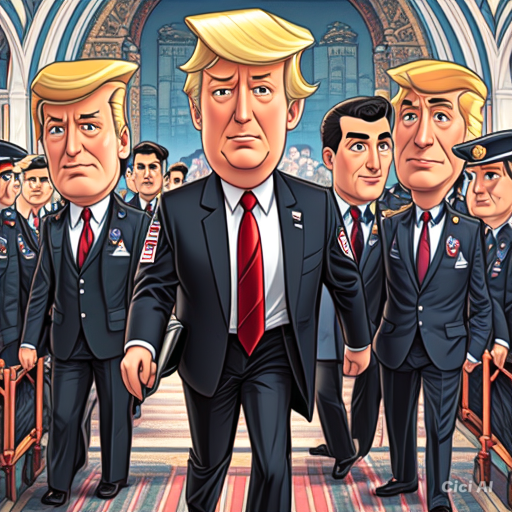
By Louis ‘Barok‘ C. Biraogo
In the balmy evening air of Butler, Pennsylvania, USA, a shot rang out that could have altered the course of American history. Former President Donald Trump narrowly escaped death in an assassination attempt during a rally, an event that has left the nation reeling. The question haunting us all is: How did a 20-year-old gunman manage to position himself a mere 150 yards from the former president, poised to end his life?
The answer lies in a deeply unsettling revelation about the Secret Service. Once the gold standard in presidential protection, this agency has been found grievously wanting. Relying on local Pennsylvania cops for critical security tasks, the Secret Service has demonstrated a catastrophic lapse in judgment, endangering not only a former president but the very integrity of its mission.
The Secret Service’s fundamental role is to ensure the safety of the the USA’s President, Vice President, and their families, a duty codified in laws and regulations designed to anticipate and counter any threat. The Presidential Threat Protection Act of 2000 mandates comprehensive planning and coordination of protective measures, leaving no room for the kind of failure witnessed on that fateful night.
Anthony Guglielmi, a spokesperson for the Secret Service, admitted to the Washington Post that significant portions of their specialized protective units were substituted with local law enforcement officers. This admission is not just a concession of failure but an indictment of an agency that has clearly lost its way. How could an organization with such a storied history, responsible for the lives of America’s leaders, devolve to a point where it relegates its core responsibilities to local cops?
Consider the chilling details: A local officer spotted the would-be assassin, Thomas Crooks, clinging to a rooftop ledge. Unable to draw his weapon while struggling for balance, he let go after Crooks aimed his rifle at him. This moment of vulnerability, a split second that could have ended in tragedy, underscores the peril of inadequate staffing and reliance on non-specialists for critical security tasks.
Senator Rick Scott’s demands for accountability and the official review now underway are not merely political posturing—they are a necessary reckoning. The Secret Service director, Kimberly Cheatle, faces intense scrutiny, and rightly so. Her leadership has presided over one of the most egregious security breaches in the agency’s 159-year history.
The Secret Service’s protective protocols, outlined in meticulous detail in the Secret Service Policy and Procedures Manual, emphasize the necessity of comprehensive security sweeps and the deployment of counter-sniper teams. Yet, in Butler, those protocols were glaringly absent. The use of local tactical units, while not entirely unprecedented, should have been a supplementary measure, not a primary line of defense.
Jason Chaffetz, former chair of the House Oversight Committee, has long sounded the alarm on the need for increased personnel within the Secret Service. His 2015 investigative report highlighted numerous security failings and called for substantial reforms. Yet, these recommendations were ignored, a dereliction of duty that nearly cost a former president his life. Chaffetz’s words resonate with a chilling clarity: “It’s as if they paid no attention to the bipartisan recommendations.”
The harrowing event at the Trump rally is a stark reminder of the Secret Service’s foundational failures. The agency’s staffing issues are well-documented, with a persistent inability to maintain adequate numbers of trained agents. This crisis is not just about numbers but about a systemic failure to uphold the standards of protection that the American public expects and deserves.
In light of this catastrophe, immediate reforms are imperative. The Secret Service must undertake a comprehensive overhaul, starting with the following recommendations:
- Increase Personnel: Implement the recommendations from the 2015 House Oversight Committee report to significantly boost the number of trained agents.
- Enhance Training: Develop rigorous, ongoing training programs for agents and ensure that local law enforcement officers are adequately prepared for any supportive roles they might play.
- Strict Adherence to Protocols: Reinforce strict adherence to established security protocols, ensuring that no aspect of presidential protection is outsourced to non-specialists.
- Technological Upgrades: Invest in advanced surveillance and counter-sniper technologies to prevent any potential threats from getting within striking distance.
- Accountability and Oversight: Establish an independent oversight body to conduct regular reviews of Secret Service operations and ensure that all recommendations are swiftly implemented.
The near-tragedy at Butler must serve as a wake-up call. The Secret Service’s primary mission is to protect the leaders of the USA. Anything less than perfection is unacceptable, and the failure to uphold this sacred duty cannot be tolerated. The American people deserve a Secret Service that is vigilant, professional, and unwavering in its commitment to protect those who serve their nation. It is time for a profound transformation within the agency—one that ensures such a lapse never happens again.

- “Forthwith” to Farce: How the Senate is Killing Impeachment—And Why Enrile’s Right (Even If You Can’t Trust Him)
- “HINDI AKO NAG-RESIGN!”

- “I’m calling you from my new Globe SIM. Send load!”

- “Mahiya Naman Kayo!” Marcos’ Anti-Corruption Vow Faces a Flood of Doubt

- “Meow, I’m calling you from my new Globe SIM!”

- “No Special Jail for Crooks!” Boying Remulla Slams VIP Perks for Flood Scammers

- “PLUNDER IS OVERRATED”? TRY AGAIN — IT’S A CALCULATED KILL SHOT

- “Several Lifetimes,” Said Fajardo — Translation: “I’m Not Spending Even One More Day on This Circus”



 KWEBA ni BAROK
Leave a comment