
By Louis ‘Barok‘ C. Biraogo
In the annals of Philippine corruption scandals, the recent revelations about Asiantouch International Training Institute add a chilling chapter. The Commission on Audit’s (COA) denial of the trade school’s P28-million claim due to lack of proper documentation unveils a sordid tale of deceit, negligence, and ethical breaches. This commentary delves into the historical context of similar scandals, lambastes Asiantouch’s misdeeds, and calls for stringent legal action to restore faith in public institutions.
How We Got Here: A Historical Context
The Asiantouch scandal is not an isolated incident but part of a long history of corruption and malfeasance in the Philippine education and training sector. The Pangulong Gloria Scholarship (PGS) program, initiated during the Arroyo administration, was meant to provide opportunities for skill development and employment. However, like many well-intentioned programs, it became a fertile ground for exploitation.
Previous scandals involving the Technical Education and Skills Development Authority (TESDA) have marred its reputation. In 2011, the agency was embroiled in a controversy over the misuse of funds intended for scholarships and training programs. Prominent personalities, including former TESDA Director General Augusto Syjuco, were implicated in dubious transactions and fund misappropriations. These scandals eroded public trust and highlighted systemic issues within the agency.
Exposing Asiantouch’s Malpractices
Asiantouch International Training Institute stands as a glaring example of ethical and legal failures. The COA’s 12-page decision lays bare the extent of Asiantouch’s negligence and deception. Here’s a thorough critique from multiple perspectives:
1. Legal Violations:
- Lack of Proper Documentation: Asiantouch’s inability to provide adequate documentation for their P28-million claim is a direct violation of accounting and auditing standards. Republic Act No. 6713, the Code of Conduct and Ethical Standards for Public Officials and Employees, mandates transparency and accountability in public service. Asiantouch’s actions violate this principle.
- Breach of Contract: The failure to account for services rendered under the TESDA contract per region indicates a breach of contractual obligations. Under Philippine Civil Code (Article 1170), parties who violate terms of an agreement are liable for damages.
2. Ethical Negligence:
- Deception: Submitting incomplete and unverifiable documents, including unsigned Registry of Workers Assessed and Certified, points to deliberate deception. This unethical behavior undermines the integrity of the educational system and deprives deserving trainees of their rightful benefits.
- Neglect of Duty: Asiantouch’s admission that they can no longer validate some documents due to the absence or death of responsible officials highlights gross negligence. Republic Act No. 9485, the Anti-Red Tape Act, aims to promote transparency and efficiency in public service. Asiantouch’s conduct is a stark contrast to these ideals.
3. Negligence and Mismanagement:
- Inadequate Record-Keeping: Proper record-keeping is a fundamental requirement for any educational institution. Asiantouch’s failure to maintain and validate essential documents reveals systemic mismanagement and a lack of oversight.
- Financial Mismanagement: The claim that TESDA failed to send stipends, leading Asiantouch to cover costs through the Training Support Fund, requires scrutiny. It raises questions about the financial health and operational transparency of the institution.
Call for Prosecution
To restore public confidence and ensure justice, Asiantouch must be held accountable for its administrative, civil, and criminal liabilities. Here are the legal actions that must be pursued:
1. Administrative Liabilities:
- Sanctions by TESDA: Asiantouch should face sanctions from TESDA for failing to comply with contractual obligations and regulatory requirements.
- COA Audit Penalties: The COA should impose penalties for non-compliance with audit requirements, as stipulated under Presidential Decree No. 1445, the Government Auditing Code of the Philippines.
2. Civil Liabilities:
- Damages for Breach of Contract: Under the Philippine Civil Code, TESDA should seek damages from Asiantouch for breach of contract and failure to deliver on their obligations.
3. Criminal Liabilities:
- Anti-Graft and Corrupt Practices Act: If evidence suggests intentional misappropriation or fraudulent claims, Asiantouch’s officials should be prosecuted under Republic Act No. 3019, the Anti-Graft and Corrupt Practices Act.
- Estafa or Swindling: Filing false claims can be prosecuted under the Revised Penal Code (Article 315) for estafa or swindling.
Recommendations
- Strengthen Oversight Mechanisms: TESDA and COA must enhance their oversight mechanisms to prevent similar incidents. Regular audits, stricter documentation requirements, and random inspections can help ensure compliance.
- Implement Transparency Measures: Adopting digital record-keeping and public disclosure of audit findings can promote transparency and accountability in educational institutions.
- Enforce Legal Consequences: Swift and decisive legal action against Asiantouch will serve as a deterrent to other institutions and uphold the rule of law.
Conclusion
The Asiantouch scandal is a stark reminder of the pervasive corruption and negligence that plague public institutions in the Philippines. It is imperative to pursue legal actions vigorously, enforce transparency, and uphold ethical standards to ensure that public trust is restored and justice is served. The Filipino people deserve better, and it is the duty of the authorities to deliver on this promise.

- ₱8B BBM Pork: CCTV for Every Captain’s Kumpare?
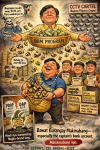
- ₱75 Million Heist: Cops Gone Full Bandit

- ₱6.7-Trillion Temptation: The Great Pork Zombie Revival and the “Collegial” Vote-Buying Circus

- ₱1.9 Billion for 382 Units and a Rooftop Pool: Poverty Solved, Next Problem Please

- ₱1.35 Trillion for Education: Bigger Budget, Same Old Thieves’ Banquet
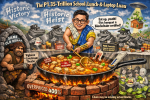
- ₱1 Billion Congressional Seat? Sorry, Sold Out Na Raw — Si Bello Raw Ang Hindi Bumili

- “We Will Take Care of It”: Bersamin’s P52-Billion Love Letter to Corruption

- “Skewed Narrative”? More Like Skewered Taxpayers!

- “Scared to Sign Vouchers” Is Now Official GDP Policy – Welcome to the Philippines’ Permanent Paralysis Economy
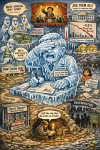
- “Robbed by Restitution?” Curlee Discaya’s Tears Over Returning What He Never Earned





 KWEBA ni BAROK
Leave a comment