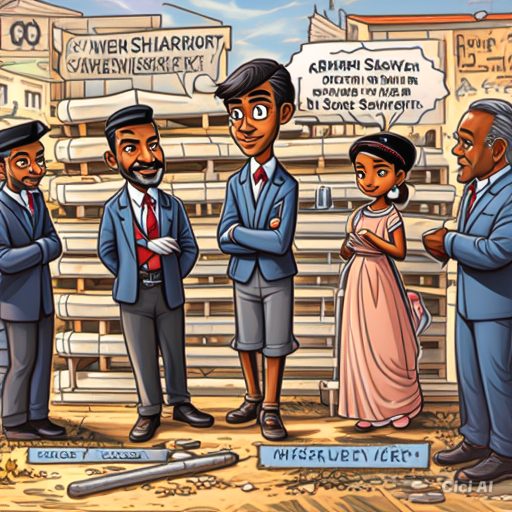
By Louis ‘Barok‘ C. Biraogo
In a chilling testimony that reads like a plot from a dystopian novel, Dylan, a Malaysian national, revealed the horrifying reality of modern slavery flourishing within the shadows of the Philippine offshore gaming operators (Pogos). Dylan’s ordeal began when a friend—no less—sold him for P300,000 to Baofu Land in Bamban, Tarlac. This heinous transaction underscores a malevolent evolution of slavery, one that has morphed from the brutal chains of historical bondage to the equally insidious shackles of economic exploitation and human trafficking.
Slavery, in its historical context, was a grotesque institution marked by the forced labor and dehumanization of African people, brought to the Americas and other parts of the world in the transatlantic slave trade. Despite the abolition movements of the 19th century, slavery has not disappeared; it has merely changed forms. Modern slavery, as seen in Dylan’s case, thrives on vulnerability, deceit, and the exploitation of economic desperation.
The enslavement of Dylan is a stark reminder that slavery is not a relic of the past but a persistent evil that continues to plague our society. The betrayal by a friend, the subsequent captivity, and the torture Dylan endured expose a multi-layered atrocity that demands our harshest condemnation and immediate action.
From a moral perspective, the concept of one human being owning another is abhorrent. It strips individuals of their dignity, autonomy, and basic human rights. Dylan’s experience of being sold and forced into labor until a fabricated debt is paid off is a clear violation of human decency and international human rights standards.
Legally, the Philippines has robust laws against human trafficking and slavery. The Anti-Trafficking in Persons Act of 2003 (Republic Act No. 9208) and its amendments aim to combat trafficking and protect victims. Furthermore, the Philippine Supreme Court has consistently upheld the rights of individuals against unlawful detention and exploitation. In the landmark case of People v. Ching, the Court emphasized the inviolability of human dignity and freedom. Yet, Dylan’s story shows a stark disconnect between these legal protections and their enforcement.
Economically, modern slavery undermines the principles of fair labor practices and economic justice. It perpetuates inequality and stifles genuine economic development by creating an underclass of exploited individuals whose labor is extracted without fair compensation or humane working conditions.
Socially, the existence of slavery in any form erodes trust within communities. Dylan’s betrayal by a friend and subsequent exploitation highlight a breach of social bonds and communal integrity. It fosters an environment where deception and betrayal become tools of survival, rather than mutual support and solidarity.
To eradicate this evil, the Philippine government must take decisive action. Firstly, there must be stringent enforcement of existing anti-trafficking laws. The proposed Anti-Pogo Act of 2024 is a step in the right direction, aiming to eliminate the social costs associated with Pogos, including human trafficking. However, the government must go beyond legislation and ensure rigorous implementation and oversight.
Secondly, there needs to be a comprehensive support system for victims of trafficking. This includes providing legal aid, psychological support, and safe reintegration into society. The story of Dylan, who could only seek help through his company phone, illustrates the dire need for accessible and immediate assistance for victims.
Thirdly, international cooperation is crucial. The Philippine authorities must work closely with foreign embassies and international organizations to combat trafficking networks that operate across borders. Dylan’s rescue, facilitated by the Malaysian embassy, underscores the importance of such collaboration.
Lastly, public awareness campaigns are vital in educating communities about the realities of modern slavery and human trafficking. By raising awareness, we can empower individuals to recognize and report instances of exploitation, and foster a culture of vigilance and zero tolerance towards such practices.
The heart-wrenching tale of Dylan compels us to take immediate action. It is a reminder that modern slavery is not a distant issue but a present-day crisis that demands our immediate and unwavering attention. The government, civil society, and international community must unite to eradicate this abhorrent practice and restore the dignity and freedom of every individual.

- Andres Heralds DoJ’s Transformative Justice

- Sailing to New Horizons: PEZA Sets Ambitious PHP250-B Approval Target for 2024

- Panga’s Bold Vision: The Paradigm Shift of Iwahig Mega Economic Zone

- Panga’s Pragmatic Approach to Sino-Philippine Investments

- The Shadow Over Manila

- Shadow of the Red Notice: Remulla hunts down Teves

- Frozen Enigma: NBI Bacolod’s Tussle with Darkness

- Quiboloy’s Supreme Court Shenanigans: A Pathetic Attempt to Dodge Justice

- RP’s cunundrum: A pawn in the SCS geopolitical chessboard

- Macapagal Leads: Navigating Relocation Challenges


 KWEBA ni BAROK
Leave a comment