By Louis ‘Barok‘ C. Biraogo
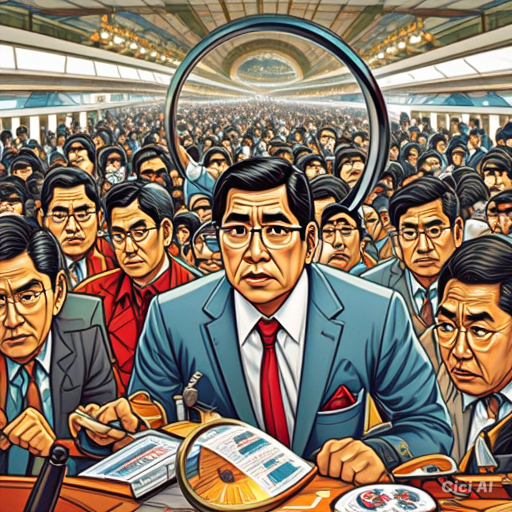
In a harrowing scene unfolding at the Ninoy Aquino International Airport (NAIA), passengers are ensnared in a Kafkaesque nightmare of interminable queues and malfunctioning technology. Senator Raffy Tulfo’s urgent call for a Senate investigation, encapsulated in Senate Resolution No. 1069, shines a spotlight on this festering crisis. It is a compelling call for immediate action, a desperate plea to salvage the nation’s primary gateway from the brink of operational collapse.
The grievances emanating from NAIA are not mere inconveniences; they are symptomatic of a systemic failure that inflicts severe stress and financial strain on travelers. The malfunctioning e-gates, which should be the epitome of modern efficiency, have instead become emblematic of bureaucratic ineptitude. These electronic gates frequently fail to read passports and boarding passes, relegating passengers to interminable manual processing lines. The resulting delays are not just an inconvenience; they have a cascading effect, causing travelers to miss connecting flights and incur additional costs for re-booking and unexpected layovers.
Senator Tulfo’s initiative is both commendable and urgent. His resolution to scrutinize the operations of the Manila International Airport Authority (MIAA) and address the multitude of issues plaguing NAIA is a critical step toward resolving this crisis. The litany of complaints he highlights – from malfunctioning escalators, walkalators, and carousels to the torturous immigration screening processes – paint a bleak picture of an airport in disarray.
The consequences of these operational failures extend far beyond individual inconveniences. NAIA’s inefficiencies tarnish the country’s international reputation, deterring tourism and foreign investment. In a globalized world where first impressions matter, the chaos at NAIA stands as a stark indictment of the Philippines’ ability to manage its infrastructure.
The ethical and practical imperatives for reform are clear. It is unconscionable that travelers bear the brunt of systemic failures for which they are not responsible. The financial burdens imposed on them – from re-booking fees to extended stays – are compounded by the sheer frustration and stress of navigating an airport that seems designed to thwart rather than facilitate travel.
To address these issues, several recommendations are imperative:
1. Immediate Modernization and Maintenance: NAIA must undergo a comprehensive modernization program. This includes upgrading electronic gates to ensure they are reliable and efficient, repairing or replacing non-functional escalators, walkalators, and carousels, and ensuring all operational equipment meets international standards.
2. Streamlined Immigration Processes: Immigration screening procedures must be overhauled to reduce processing times. This could involve increasing staff during peak hours, implementing advanced screening technologies, and providing additional training to ensure efficiency without compromising security.
3. Clear Communication and Accountability: Airport authorities must post clear signage informing passengers of their rights, particularly regarding missed flights due to airport delays. Additionally, there should be a transparent and accountable mechanism for handling complaints and compensating affected travelers.
4. Regular Audits and Oversight: The Senate investigation must lead to the establishment of a permanent oversight body that regularly audits airport operations, ensuring that standards are maintained and issues are promptly addressed.
Comparative insights from other countries can provide valuable lessons. Airports like Changi in Singapore and Incheon in South Korea consistently rank among the best in the world due to their relentless focus on efficiency, innovation, and customer satisfaction. NAIA must aspire to these standards, recognizing that a world-class airport is not a luxury but a necessity for a nation aiming to compete on the global stage.
Senator Tulfo’s resolution is a crucial first step, but it must be followed by decisive action. The plight of NAIA’s passengers should be a rallying cry for reform, a call to action for all stakeholders to come together and transform the airport into a symbol of national pride rather than a source of national embarrassment. The time for excuses is over; the time for action is now. The future of the Philippines’ gateway to the world teeters on the edge, and it is imperative that we rise to the challenge, ensuring that NAIA becomes a symbol of efficiency and excellence.

- “Forthwith” to Farce: How the Senate is Killing Impeachment—And Why Enrile’s Right (Even If You Can’t Trust Him)

- “HINDI AKO NAG-RESIGN!”

- “I’m calling you from my new Globe SIM. Send load!”

- “Mahiya Naman Kayo!” Marcos’ Anti-Corruption Vow Faces a Flood of Doubt

- “Meow, I’m calling you from my new Globe SIM!”

- “No Special Jail for Crooks!” Boying Remulla Slams VIP Perks for Flood Scammers

- “PLUNDER IS OVERRATED”? TRY AGAIN — IT’S A CALCULATED KILL SHOT

- “Several Lifetimes,” Said Fajardo — Translation: “I’m Not Spending Even One More Day on This Circus”

- “Shimenet”: The Term That Broke the Internet and the Budget

- “We Did Not Yield”: Marcos’s Stand and the Soul of Filipino Sovereignty




 KWEBA ni BAROK
Leave a comment