By Louis ‘Barok‘ C. Biraogo
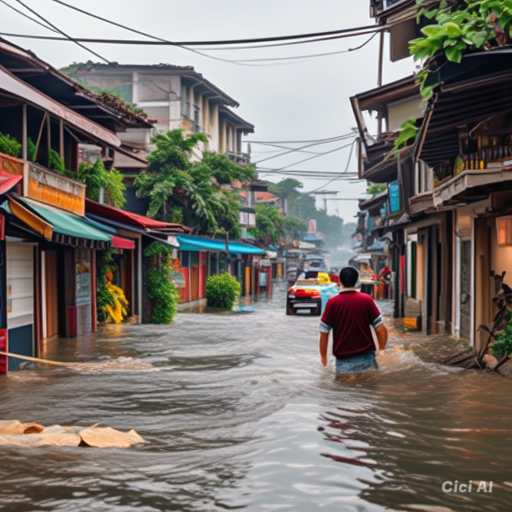
IN THE wake of Super Typhoon Carina and the relentless southwest monsoon, the Philippines finds itself grappling with the all-too-familiar devastation of widespread flooding. Senate President Francis Escudero’s impassioned plea, “What happened to ‘building back better’?” captures the nation’s frustration and despair. This sentiment is echoed by House Speaker Ferdinand Martin Romualdez and other lawmakers, who are calling for a comprehensive overhaul of the country’s flood control systems. The urgent question is: can the Philippines finally break free from this vicious cycle of calamity?
The Unyielding Fury of Typhoons
Typhoons are not merely weather events in the Philippines; they are cataclysmic forces that reshape lives and landscapes. The archipelago, situated in the typhoon belt of the Western Pacific, endures about 20 typhoons annually, with a handful being particularly destructive. The harrowing memories of Typhoon Ondoy in 2009 and Typhoon Yolanda in 2013 still haunt the nation, underscoring the urgency of robust flood control measures.
Comparatively, nations like China, Taiwan, and Japan, which also face frequent typhoons, have made significant strides in mitigating their impact. China’s extensive network of dams and levees, Taiwan’s advanced early warning systems, and Japan’s state-of-the-art drainage infrastructure serve as models of resilience. Yet, despite various initiatives and significant financial allocations, the Philippines continues to struggle.
Romualdez and Escudero’s: The Call for Accountability
Escudero’s demand for a thorough investigation into flood control projects is both logical and necessary. With P255 billion allocated to the Department of Public Works and Highways (DPWH) for flood control out of the P5.768 trillion national budget, the public deserves transparency and accountability. This inquiry could unveil inefficiencies, corruption, or simple mismanagement, providing a roadmap for future improvements.
Romualdez’s call to update and fully implement the flood management master plan is a pragmatic approach. As climate change intensifies, stronger storms and heavier rainfall are inevitable. The master plan, if rigorously followed and updated with the latest data and technologies, could significantly enhance the nation’s preparedness. Provisions of Philippine laws, such as the Climate Change Act of 2009 and the Disaster Risk Reduction and Management Act of 2010, mandate the government to build resilient infrastructure and mitigate disaster risks, bolstering the lawmakers’ stance.
The Limits of Human Effort
Critics might argue that no amount of planning or funding can fully eliminate the threat of typhoons. The sheer scale of these natural disasters can overwhelm even the most sophisticated systems. This perspective is not without merit. The unpredictable nature of climate change means that storm patterns and intensities are constantly evolving, making it challenging to develop foolproof solutions.
Additionally, the bureaucratic inertia and fragmented implementation of projects often lead to suboptimal outcomes. The Philippine Supreme Court has recognized these systemic challenges in G.R. No. 185375, emphasizing the need for realistic expectations and incremental progress. The complexities of coordinating among multiple agencies, ensuring proper use of funds, and maintaining infrastructure amidst ongoing urban development further complicate the issue.
Barok’s Assessment
Both Escudero and Romualdez raise valid points that underscore the need for a multifaceted approach to flood management. The emphasis on accountability, transparency, and continuous improvement aligns with best practices and legal mandates. However, the inherent unpredictability of typhoons and the systemic challenges within the government machinery cannot be ignored.
Recommendations
- Comprehensive Review and Update: Initiate a detailed review of the current flood management master plan, incorporating the latest climate models and technological advancements. International experts and successful models from countries like China, Taiwan, and Japan should inform this process.
- Strengthening Oversight: Establish robust oversight mechanisms to ensure effective use of public funds. This includes regular audits, public reporting, and stringent penalties for mismanagement.
- Enhanced Coordination: Foster better coordination among the DPWH, MMDA, LGUs, and other relevant agencies. Clear roles and responsibilities, coupled with effective communication channels, are essential.
- Public Engagement: Increase public awareness and engagement in flood preparedness and response. Community education on evacuation procedures, flood-resistant construction practices, and drainage system maintenance is crucial.
- Climate Change Adaptation: Integrate comprehensive climate change adaptation measures into flood management strategies. This encompasses infrastructure improvements and sustainable land use policies to minimize flood risks.
Conclusion
The devastation wrought by Typhoon Carina serves as a stark reminder of the urgent need for effective flood management in the Philippines. Escudero and Romualdez’s calls for accountability and action are not just timely but essential. However, the path forward must be realistic, recognizing the limits of human effort against nature’s fury while striving for continuous improvement. By learning from global best practices, strengthening oversight, and fostering a culture of preparedness, the Philippines can build a more resilient future. In this relentless battle against the elements, the true measure of leadership will be the ability to turn crises into opportunities for lasting change.

- “Forthwith” to Farce: How the Senate is Killing Impeachment—And Why Enrile’s Right (Even If You Can’t Trust Him)

- “HINDI AKO NAG-RESIGN!”

- “I’m calling you from my new Globe SIM. Send load!”

- “Mahiya Naman Kayo!” Marcos’ Anti-Corruption Vow Faces a Flood of Doubt

- “Meow, I’m calling you from my new Globe SIM!”

- “No Special Jail for Crooks!” Boying Remulla Slams VIP Perks for Flood Scammers

- “PLUNDER IS OVERRATED”? TRY AGAIN — IT’S A CALCULATED KILL SHOT

- “Several Lifetimes,” Said Fajardo — Translation: “I’m Not Spending Even One More Day on This Circus”

- “Shimenet”: The Term That Broke the Internet and the Budget

- “We Did Not Yield”: Marcos’s Stand and the Soul of Filipino Sovereignty







 KWEBA ni BAROK
Leave a comment