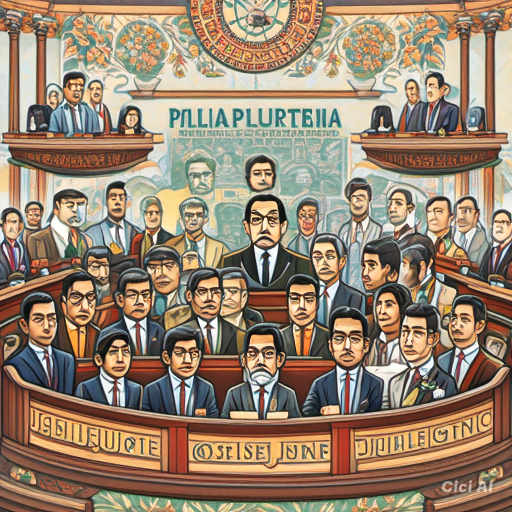
By Louis ‘Barok‘ C. Biraogo
IN THE dim corridors of power, a storm is brewing. The International Criminal Court (ICC) is poised to interview key figures linked to the Philippines’ controversial drug war, a campaign that has left thousands dead and the nation deeply divided. As Solicitor General Menardo Guevarra confirmed, the Philippine government will not obstruct the ICC prosecutor from speaking with these individuals. This unexpected development raises questions about justice, sovereignty, and the rule of law in the Philippines.
The Controversy Unfolds
The Duterte administration’s anti-narcotics campaign, infamously known as “Oplan Tokhang,” has been marred by allegations of extrajudicial killings and human rights violations. Spearheaded by then-President Rodrigo Duterte and his appointed PNP Chief Ronald Dela Rosa, the initiative led to thousands of deaths, drawing ire from both local and international human rights groups. The ICC’s interest in this case stems from these alleged crimes, committed during a period when the Philippines was still a member of the Rome Statute.
Government’s Stand: Upholding Sovereignty
The Philippine government’s stance, articulated by Guevarra, hinges on a crucial point: the nation’s withdrawal from the ICC. President Ferdinand Marcos Jr. and the Department of Justice have consistently argued that the Philippines has no legal obligation to cooperate with the ICC, given its formal exit from the Rome Statute in 2019. This position is rooted in a strong assertion of national sovereignty and the principle that the state retains the primary responsibility for prosecuting crimes committed on its territory.
From a diplomatic perspective, this argument gains further weight. International law respects the sovereignty of states, and the Philippines’ decision to withdraw from the ICC signifies a desire to handle its domestic issues independently. Moreover, the government emphasizes that it has taken steps to address the allegations through its judicial system, although critics argue these efforts are insufficient and lack transparency.
Rome Statute and Legal Precedents
Despite the government’s assertions, legal experts contend that the ICC retains jurisdiction over crimes committed while the Philippines was a signatory to the Rome Statute. Article 27 of the Rome Statute clearly states that withdrawal does not absolve a state from accountability for actions undertaken during its membership period. This legal provision forms the backbone of the ICC’s ongoing investigation, underscoring the principle that justice transcends national boundaries and political decisions.
Philippine Supreme Court precedents further complicate the government’s position. The judiciary has previously recognized international treaties as part of the law of the land, reinforcing the binding nature of obligations incurred while the country was a member of the ICC. This legal framework suggests that the ICC’s pursuit of justice is not only legitimate but necessary to uphold the rule of law and ensure accountability for egregious human rights violations.
The Need for Justice
Critics of the government’s stance argue that obstructing the ICC’s investigation undermines efforts to achieve justice for the victims of the drug war. They point to numerous instances where domestic mechanisms have failed to hold perpetrators accountable, citing a culture of impunity that shields powerful figures from prosecution. The ICC, in their view, offers a vital avenue for redress, providing an impartial forum to investigate and prosecute those responsible for the widespread violence and abuse.
Moreover, the ICC’s involvement is seen as a crucial step in restoring public trust in the justice system. The perception that the government is unwilling or unable to deliver justice fuels discontent and erodes the legitimacy of state institutions. By cooperating with the ICC, the Philippines can demonstrate its commitment to upholding human rights and the rule of law, reinforcing its standing in the international community.
Tilting the Scales
In assessing the merits of each side’s arguments, the balance appears to tilt towards the ICC. The Rome Statute’s provisions, coupled with the Philippine Supreme Court’s recognition of international treaties, lend strong legal support to the ICC’s jurisdiction. The principle that withdrawal does not negate accountability for past actions is a cornerstone of international justice, ensuring that perpetrators cannot evade scrutiny through political maneuvering.
While the government’s emphasis on sovereignty is compelling, it must be weighed against the imperative of justice and the need to address grave human rights abuses. The ICC’s mandate to investigate and prosecute serious international crimes remains a vital check on impunity, and the Philippine government’s cooperation, even if limited, could enhance the credibility and effectiveness of the judicial process.
A Path Forward
To navigate this complex and contentious issue, the Philippine government should consider the following steps:
- Facilitate Access: Allow the ICC prosecutor to interview the suspects without interference, ensuring transparency and accountability in the investigation process.
- Strengthen Domestic Mechanisms: Bolster the capacity and independence of the domestic justice system to handle human rights cases, demonstrating a genuine commitment to justice.
- Public Engagement: Launch a comprehensive public awareness campaign to inform citizens about the ICC’s role and the importance of upholding international human rights standards.
- International Collaboration: Engage with international partners to enhance technical and financial support for domestic judicial reforms, ensuring that national efforts complement the ICC’s investigation.
The Call for Rule of Law
As the shadows of the drug war loom large, the Philippines stands at a crossroads. Upholding the rule of law and ensuring justice for the victims of extrajudicial killings must remain paramount. The ICC’s involvement offers a unique opportunity to address past wrongs and build a future founded on accountability and respect for human rights. The path forward demands courage, transparency, and an unwavering commitment to the principles of justice that bind the global community together.

- “Forthwith” to Farce: How the Senate is Killing Impeachment—And Why Enrile’s Right (Even If You Can’t Trust Him)
- “HINDI AKO NAG-RESIGN!”

- “I’m calling you from my new Globe SIM. Send load!”

- “Mahiya Naman Kayo!” Marcos’ Anti-Corruption Vow Faces a Flood of Doubt

- “Meow, I’m calling you from my new Globe SIM!”

- “No Special Jail for Crooks!” Boying Remulla Slams VIP Perks for Flood Scammers

- “PLUNDER IS OVERRATED”? TRY AGAIN — IT’S A CALCULATED KILL SHOT

- “Several Lifetimes,” Said Fajardo — Translation: “I’m Not Spending Even One More Day on This Circus”

- “Shimenet”: The Term That Broke the Internet and the Budget

- “We Did Not Yield”: Marcos’s Stand and the Soul of Filipino Sovereignty


 KWEBA ni BAROK
Leave a comment