By Louis ‘Barok‘ C. Biraogo
From Spark to Fire: Tracing the Controversy’s Origins
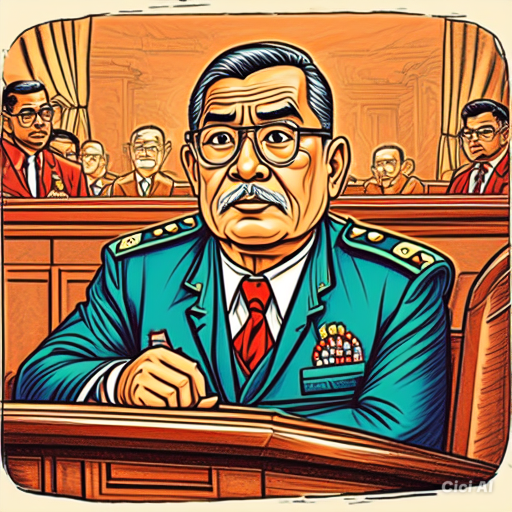
THE controversy surrounding Carlos Garcia, a retired Army major general and former military comptroller, traces back to the Arroyo administration. Garcia was at the center of the “pabaon system” scandal, which involved giving hefty cash gifts to retiring military generals. This scandal led to a series of investigations and charges against Garcia, including plunder, direct bribery, and money laundering.
In 2011, Garcia entered into a plea bargaining agreement, pleading guilty to lesser offenses of direct bribery and facilitating money laundering, resulting in the forfeiture of over P135.4 million of his assets to the government. Initially charged with plunder, which carries a penalty of reclusion perpetua (20 to 40 years of imprisonment), Garcia was instead sentenced in 2022 to a total of eight to twenty-two years in prison for his crimes.
Legal Issues
The legal issues at hand involve the enforceability of fines and the doctrine of immutability of judgments, which holds that once a court’s decision becomes final, it cannot be altered. Garcia argues that the fine is oppressive and unconstitutional, claiming insolvency and the forfeiture of his military benefits.
Rationale for the Sandiganbayan Ruling
- Doctrine of Immutability of Judgments: Once a decision becomes final, it is immutable and unalterable, except for correction of clerical errors or void judgments. The Sandiganbayan’s decision is final, and Garcia’s claim of insolvency does not constitute a valid exception.
- Legal Precedent: The fine imposed is consistent with Article 210 of the Revised Penal Code, which mandates a fine “not less than three times the value of the gift” received through bribery. The Sandiganbayan correctly applied this provision, making the fine lawful and not oppressive.
- Ethical Standards: Public officials are held to high ethical standards to maintain public trust. Garcia’s crimes significantly violated these standards, justifying stringent penalties to deter similar conduct.
- Forfeiture and Plea Bargaining Agreement: The forfeiture of Garcia’s assets occurred before the final decision, and he entered the plea bargaining agreement with full awareness of the financial penalties involved. His claims of unfair treatment are thus unfounded.
Garcia’s Rebuttal: Challenging the Resolution
- Insolvency: Garcia argues that he has no means to pay the fine due to the forfeiture of his assets and loss of income from his military service. He contends that the fine is excessive given his financial situation.
- Unfair and Oppressive Fine: Garcia claims the fine is unconstitutional as it exceeds the value of the surrendered assets and imposes an undue burden on him.
Barok’s Opinions
The Sandiganbayan’s resolution to enforce the P408-million fine is justified. Garcia’s insolvency does not override the doctrine of immutability of judgments. The fine was calculated based on legal provisions and the plea bargaining agreement he voluntarily entered into, knowing the consequences.
Garcia’s arguments do not hold merit against the established legal framework and ethical considerations. The imposed fine serves as a deterrent and upholds the integrity of public office.
Recommendations
To Garcia:
- Compliance: Garcia should comply with the court’s decision and make arrangements to settle the fine. Exploring legal avenues to negotiate a feasible payment plan with the government might be beneficial.
To the Sandiganbayan and State Prosecutors::
- Strict Enforcement: Pursue all legal avenues to enforce the fine, including asset seizure and garnishment of any future earnings. Ensure that Garcia’s financial claims are thoroughly investigated to prevent evasion.
- Public Communication: Clearly communicate the legal rationale and ethical importance of upholding the fine to reinforce public confidence in the justice system.
To Lawmakers:
- Review and Strengthen Anti-Corruption Measures: Ensure that laws related to corruption, plea bargains, and enforcement of fines are robust and adequately deter high-level corruption.Support Judicial Independence: Safeguard the independence of the judiciary to maintain impartiality in high-profile corruption cases.
In conclusion, the Sandiganbayan’s resolution aligns with legal principles and ethical standards, reinforcing the message that public office is a public trust and that violations will be met with appropriate penalties.

- Andres Heralds DoJ’s Transformative Justice

- Sailing to New Horizons: PEZA Sets Ambitious PHP250-B Approval Target for 2024

- Panga’s Bold Vision: The Paradigm Shift of Iwahig Mega Economic Zone

- Panga’s Pragmatic Approach to Sino-Philippine Investments

- The Shadow Over Manila

- Shadow of the Red Notice: Remulla hunts down Teves

- Frozen Enigma: NBI Bacolod’s Tussle with Darkness

- Quiboloy’s Supreme Court Shenanigans: A Pathetic Attempt to Dodge Justice

- RP’s cunundrum: A pawn in the SCS geopolitical chessboard

- Macapagal Leads: Navigating Relocation Challenges


 KWEBA ni BAROK
Leave a comment