By Louis ‘Barok‘ C. Biraogo
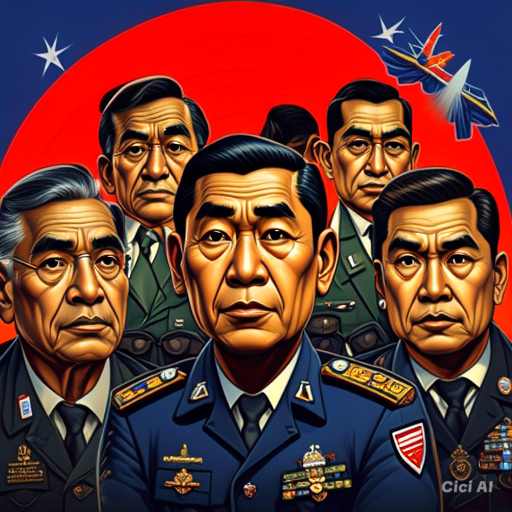
IN A nation where shadows often obscure the truth, whispers of revelation have begun to surface. The news that retired and active generals have sent feelers to testify about extrajudicial killings (EJKs) in the Duterte administration’s war on drugs sends shockwaves through the Philippine political landscape. The prospect of these military and police figures stepping forward is laden with implications, not just for those directly involved but for the very soul of the country.
A Blood-Stained Legacy
Rodrigo Duterte’s war on drugs is one of the most controversial chapters in recent Philippine history. Thousands of lives were claimed in a campaign that was both praised and condemned. At the heart of this deadly crusade were the police and military forces, acting as the executioners of Duterte’s war. Allegations of complicity, cover-ups, and outright participation in EJKs have haunted these institutions. Now, with a new administration in place, the shadows may be peeling back.
Surigao del Norte Rep. Robert Ace Barbers’ revelation that the House “supercommittee” has received feelers from these military and police figures adds a new dimension to the ongoing investigation into the Duterte-era drug war. The questions loom: Will these generals break ranks and expose the brutal realities? And if they do, what will be the consequences for Duterte and others implicated in these alleged crimes?
The Risks and Rewards of Truth
For the generals considering testifying, the decision is fraught with peril. The advantages of coming forward are clear: a chance to cleanse their conscience, reclaim their honor, and possibly contribute to justice for the thousands of lives lost. But the risks are equally daunting. These men are not just revealing state secrets; they are potentially incriminating themselves and their peers. Philippine law, including the Anti-Graft and Corrupt Practices Act, could be weaponized against them if they admit to any wrongdoing. Furthermore, the specter of retaliation from loyalists within the police and military ranks or even from the remnants of Duterte’s political machinery cannot be dismissed.
Testifying could also have significant legal repercussions under the Revised Penal Code, particularly under provisions related to conspiracy and complicity in crimes. Philippine Supreme Court precedents emphasize the liability of those who participate in illegal acts, even if under orders. Should these generals admit to participating in or covering up EJKs, they could face serious legal consequences, regardless of any supposed immunity deals or political promises.
Implications for Duterte and His Circle
The implications of such testimonies on Duterte and his circle are seismic. A clear, credible account from high-ranking officials could provide the evidence needed to push forward cases both in the Philippines and internationally. Duterte, who has long defied calls for accountability, could find himself in a tightening legal vice. Under Philippine law, while Duterte might claim immunity for actions taken during his presidency, his allies and subordinates do not enjoy such protection.
Additionally, the Philippine Supreme Court has ruled in cases like Estrada v. Sandiganbayan that public officials can be held accountable for crimes committed during their tenure, even after leaving office. This sets a daunting precedent for Duterte’s defense.
The ICC Angle: A Global Reckoning?
Internationally, the impact of these testimonies could be just as profound, if not more so. The International Criminal Court (ICC) has been inching closer to opening a full investigation into Duterte’s drug war. Testimonies from these generals could provide critical evidence for the ICC’s probe. Under the Rome Statute, the ICC has jurisdiction over crimes against humanity, including murder, extermination, and other inhumane acts. The Court’s precedents, such as in Prosecutor v. Al-Bashir, demonstrate that even heads of state are not immune from prosecution for such crimes.
However, the Philippines’ withdrawal from the ICC complicates matters. While Duterte’s administration attempted to shield itself by exiting the Court’s jurisdiction, the withdrawal does not negate the ICC’s ability to investigate crimes committed while the Philippines was still a member. The generals’ testimonies could thus breathe new life into the ICC case, potentially leading to indictments that would reverberate far beyond the Philippines.
Recommendations: Navigating a Treacherous Path
For the generals, the path forward requires a delicate balance between courage and caution. They must weigh the moral imperative of truth-telling against the very real dangers they face. If they choose to testify, they should seek legal protections, including immunity deals that could shield them from prosecution in exchange for their cooperation. At the same time, they must be prepared for the potential fallout, both personally and professionally.
For Duterte and those implicated, the time for defiance may be drawing to a close. The best course of action may be to engage with the legal processes, both domestic and international, and to prepare for the possibility of accountability. Stonewalling or attempting to discredit the generals could backfire, only intensifying scrutiny and suspicion.
The Philippine government, particularly under President Marcos, must tread carefully. Allowing these testimonies to proceed transparently could signal a commitment to justice and the rule of law. On the other hand, any attempt to suppress or manipulate the process could lead to further erosion of public trust and international condemnation.
In the end, the nation stands at a crossroads. The testimonies of these generals could either bring closure to a dark chapter or plunge the country into deeper division and turmoil. As the August 15 hearing looms, the world watches and waits, knowing that the truth—whatever it may be—could change everything.
- “Forthwith” to Farce: How the Senate is Killing Impeachment—And Why Enrile’s Right (Even If You Can’t Trust Him)
- “HINDI AKO NAG-RESIGN!”

- “I’m calling you from my new Globe SIM. Send load!”

- “Mahiya Naman Kayo!” Marcos’ Anti-Corruption Vow Faces a Flood of Doubt

- “Meow, I’m calling you from my new Globe SIM!”

- “No Special Jail for Crooks!” Boying Remulla Slams VIP Perks for Flood Scammers

- “PLUNDER IS OVERRATED”? TRY AGAIN — IT’S A CALCULATED KILL SHOT

- “Several Lifetimes,” Said Fajardo — Translation: “I’m Not Spending Even One More Day on This Circus”

- “Shimenet”: The Term That Broke the Internet and the Budget

- “We Did Not Yield”: Marcos’s Stand and the Soul of Filipino Sovereignty


 KWEBA ni BAROK
Leave a comment