By Louis ‘Barok‘ C. Biraogo
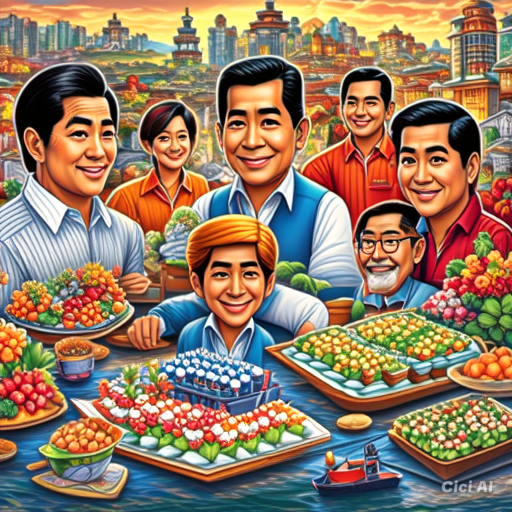
TONY Lopez, a distinguished luminary in Philippine business journalism renowned for his profound expertise and keen understanding of the country’s economic terrain, engaged in insightful interviews with some of the Philippines’ most influential business leaders. Through these conversations, a captivating and multifaceted perspective emerged on the nation’s economic landscape during President Ferdinand Romualdez Marcos Jr.’s era. From esteemed figures in retail to pioneering minds in transportation, these industry leaders collectively convey an optimistic vision, attributing the nation’s economic advancement to the government’s pro-business policies and ambitious infrastructure ventures. Yet, beneath this veneer of positivity lies a complex tapestry of challenges that have the potential to shape the future trajectory of the Philippines.
A Thriving Economy Amidst Ambitious Modernization
When Lopez sat down with titans like Teresita Sy Coson, Lance Gokongwei, and Jaime Augusto Zobel de Ayala, a common thread emerged: a resounding confidence in the Philippine economy. These leaders praise Marcos for his transparency and engagement with the private sector, particularly through the Private Sector Advisory Council (PSAC), where he has established regular dialogue with business leaders. This interaction is not mere lip service but part of a broader strategy to create a conducive environment for investment and economic growth.
The centerpiece of this optimism is the government’s P9.3-trillion infrastructure plan, which promises to transform the nation’s connectivity, transportation, and economic competitiveness. This modernization effort, eagerly anticipated by the business community, is seen as a potential game-changer. Conglomerates like Ayala Corp. and JG Summit Holdings are poised to play critical roles in this infrastructure boom, which they believe could unlock new opportunities for growth, job creation, and poverty reduction.
The Power and Influence of Philippine Conglomerates
Lopez’s interviews also underscore the formidable influence of family-owned conglomerates in the Philippine economy. Companies like SM Investments Corp., San Miguel Corp., and JG Summit Holdings wield immense power, contributing significantly to the nation’s GDP and shaping its economic policies. These conglomerates are not just businesses; they are pillars of the Philippine economy, driving innovation and setting the pace for various industries.
For example, in the retail sector, Teresita Sy Coson’s SM Group is not just a dominant force locally but is also eyeing expansion into new markets in Southeast Asia. Meanwhile, Lance Gokongwei and Jaime Augusto Zobel de Ayala are leveraging their conglomerates’ vast resources to capitalize on the government’s infrastructure agenda, positioning themselves as key players in the country’s modernization efforts.
The Underlying Concerns: Challenges that Could Derail Progress
Yet, beneath this rosy picture of economic growth and opportunity, there are significant concerns that cannot be ignored. While the business leaders interviewed by Lopez express confidence in the government’s policies, they also acknowledge the persistent challenges that could undermine these gains.
Rising Debt Levels and Inequality: The government’s ambitious infrastructure plans, while necessary, come at a steep cost. The Philippines’ rising debt levels are a ticking time bomb that could hamper long-term economic stability. Additionally, income inequality remains a pressing issue. Despite economic growth, the benefits are not evenly distributed, with the wealthiest families continuing to dominate the economic landscape.
Technological Disruption and Workforce Adaptation: The rapid pace of technological advancement presents both an opportunity and a threat. Business leaders recognize the potential of artificial intelligence (AI) and digital transformation to revolutionize industries, but they also highlight the need for upskilling the workforce. Without adequate investment in education and training, the Philippines risks widening the gap between those who can adapt to new technologies and those who cannot.
Corruption and Infrastructure Bottlenecks: Corruption remains an intractable problem that stifles growth and deters investment. The business community is particularly concerned about the inefficiencies in infrastructure development, such as traffic congestion, port delays, and limited internet penetration. These bottlenecks could negate the benefits of the government’s infrastructure investments if not addressed promptly.
Recommendations: Navigating the Crossroads
As the Philippines stands at a critical juncture, the path forward requires a careful balancing act. President Marcos has shown a strong commitment to fostering a business-friendly environment, but to sustain this momentum, several key actions are necessary.
Invest in Human Capital: To fully harness the benefits of technological advancement, the government must prioritize education and workforce development. This includes not only upskilling current workers but also revamping the education system to prepare future generations for the demands of a rapidly changing economy.
Tackle Corruption Head-On: No amount of infrastructure investment can compensate for the corrosive effects of corruption. The government must implement stricter anti-corruption measures and ensure that public funds are used efficiently and transparently.
Address Income Inequality: Economic growth that benefits only a select few is unsustainable. The government should implement policies that promote inclusive growth, such as progressive taxation and targeted social programs that uplift the marginalized sectors of society.
Monitor Debt Levels: While infrastructure development is crucial, it must be pursued responsibly. The government should be vigilant in managing its debt levels, ensuring that investments are sustainable and do not jeopardize the country’s financial stability.
Conclusion: A Future in the Balance
Tony Lopez’s interviews provide a compelling snapshot of a nation on the brink of transformation. The optimism expressed by the business elite is palpable, driven by a belief in President Marcos’ vision for a modernized, competitive Philippines. However, this optimism must be tempered with a realistic assessment of the challenges ahead. The Philippines has the potential to achieve significant economic growth, but it must navigate a complex landscape of rising debt, inequality, and technological disruption. The decisions made in the coming years will determine whether the Philippines emerges as a model of inclusive development or falls victim to the pitfalls of unchecked ambition. The stakes are high, and the world is watching.

- Andres Heralds DoJ’s Transformative Justice

- Sailing to New Horizons: PEZA Sets Ambitious PHP250-B Approval Target for 2024

- Panga’s Bold Vision: The Paradigm Shift of Iwahig Mega Economic Zone

- Panga’s Pragmatic Approach to Sino-Philippine Investments

- The Shadow Over Manila
- Shadow of the Red Notice: Remulla hunts down Teves

- Frozen Enigma: NBI Bacolod’s Tussle with Darkness

- Quiboloy’s Supreme Court Shenanigans: A Pathetic Attempt to Dodge Justice

- RP’s cunundrum: A pawn in the SCS geopolitical chessboard

- Macapagal Leads: Navigating Relocation Challenges


 KWEBA ni BAROK
Leave a comment