By Louis ‘Barok‘ C. Biraogo
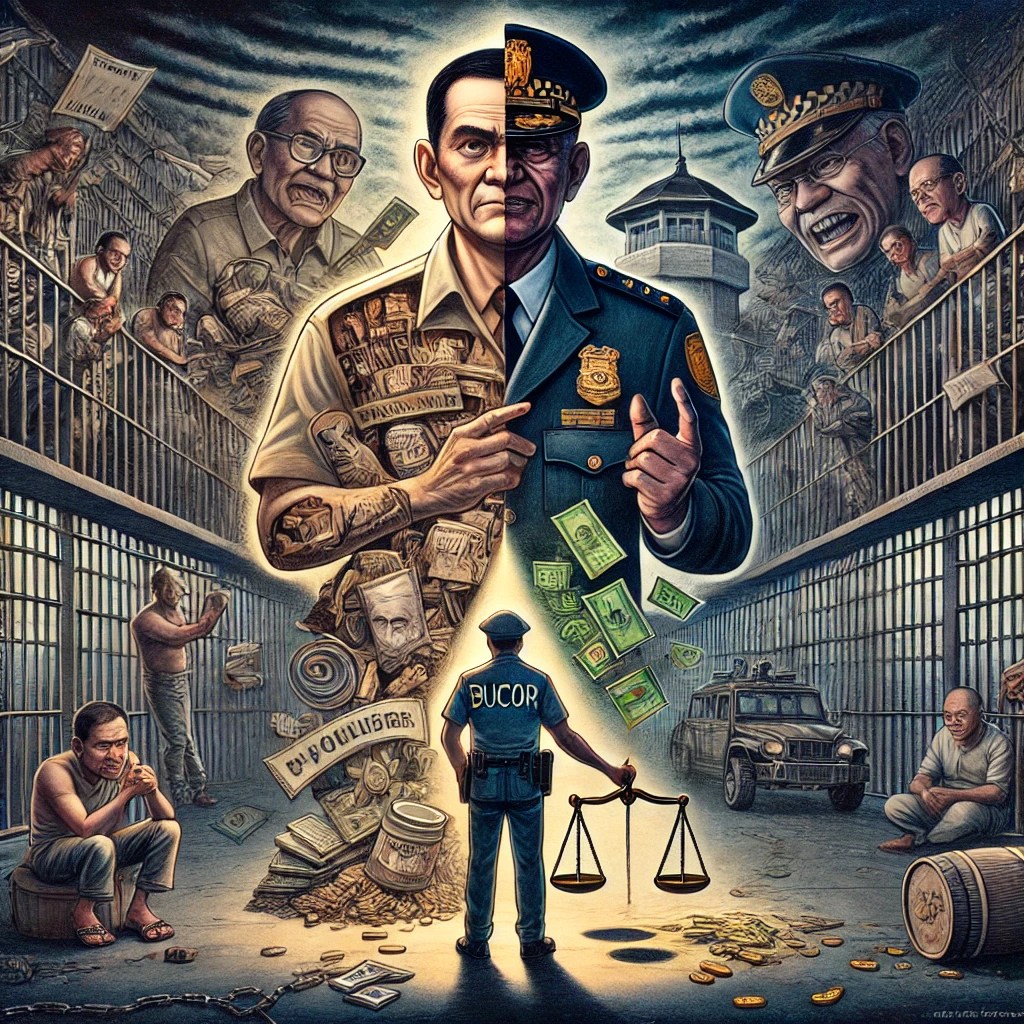
IN A daring operation that could be straight out of a crime thriller, the Philippine Drug Enforcement Agency (PDEA) pulled off a significant bust, leading to the arrest of three individuals in Parañaque City. Among those apprehended was Corrections Officer 1 Paul Patrick Toledo, a man sworn to uphold the law but instead found himself on the wrong side of it. This incident is not just another chapter in the long-running saga of the war on drugs in the Philippines; it is a stark reminder of the rot festering within our correctional system—a system plagued by corruption, drug trafficking, and the very people tasked with maintaining order.
The Perennial Problem: Drug Lords Behind Bars
The involvement of a corrections officer in a drug bust is hardly surprising in the Philippine context. For years, the Bureau of Corrections (BuCor) has been a hotbed of corruption, where drug lords continue to operate their empires with impunity from behind bars. The New Bilibid Prison, where Toledo was assigned, has gained notoriety as a veritable den of vice, where illegal drugs flow as freely as money in the black market. The problem has become so entrenched that it is almost expected that high-ranking officials within the prison system are either complicit or turning a blind eye.
The arrest of Toledo is a damning indictment of the failure to root out corruption within the prison system. Despite the numerous reforms and crackdowns, the fact that a corrections officer was caught red-handed in a drug bust reveals that the measures taken thus far have been woefully inadequate. It also raises serious ethical questions about the integrity of those entrusted with the rehabilitation and custody of some of the most dangerous criminals in the country.
The Ethical Abyss: Toledo’s Betrayal of Public Trust
From an ethical standpoint, Toledo’s actions represent a profound betrayal of public trust. As a corrections officer, he was duty-bound to enforce the law and ensure that the prison system serves its intended purpose—rehabilitation and deterrence. Instead, Toledo chose to align himself with the very criminals he was supposed to guard against, effectively becoming an enabler of the drug trade he was tasked with combating.
This betrayal is not just a personal failing; it reflects a systemic problem within BuCor. The ethical standards that govern public servants, as outlined in the Code of Conduct and Ethical Standards for Public Officials and Employees (Republic Act No. 6713), mandate that public officials serve with integrity, professionalism, and accountability. Toledo’s involvement in drug trafficking is a blatant violation of these principles, and it is imperative that he, along with any accomplices, be held accountable to the fullest extent of the law.
The Legal Consequences: A Call for Swift Prosecution
The legal ramifications of Toledo’s actions are clear-cut. Under the Comprehensive Dangerous Drugs Act of 2002 (Republic Act No. 9165), the penalties for drug trafficking are severe, ranging from life imprisonment to death. Toledo, along with his co-accused, must face the full force of the law. His involvement in the drug trade while serving as a corrections officer is an aggravating circumstance that should warrant the maximum penalty.
In addition to criminal charges, Toledo should face administrative sanctions, including dismissal from service, forfeiture of benefits, and disqualification from holding any public office. The Supreme Court of the Philippines has consistently upheld the principle that public office is a public trust, and those who violate this trust must be dealt with decisively. The case of Office of the Ombudsman v. Carandang (G.R. No. 167954) serves as a precedent, where the Court emphasized the importance of accountability among public officials.
Furthermore, Toledo’s superiors and colleagues who may have turned a blind eye to his activities or facilitated them should also be investigated. The doctrine of command responsibility, as established in Philippine jurisprudence, holds that superiors can be held accountable for the actions of their subordinates if they fail to prevent or punish misconduct.
Praise for the Heroes: Illuminating Hope Amidst Adversity
Amidst this bleak scenario, it is crucial to acknowledge and salute the efforts of BuCor Director General Gregorio Pio P. Catapang Jr., the PDEA, and all those involved in the successful apprehension of Toledo and his accomplices. Catapang’s unwavering commitment to cleansing BuCor of its “misfits” and his resolve to expose those who hide behind the BuCor uniform as they engage in illegal activities is commendable. This operation, and others like it, provide a glimmer of hope that the tide might finally be turning in the fight against corruption within the prison system.
The inter-agency collaboration that led to this bust—stemming from a memorandum of agreement between BuCor, PDEA, and other law enforcement agencies—demonstrates the power of cooperation in tackling complex issues like drug trafficking. This model of collaboration should be strengthened and expanded to ensure that corrupt elements within the prison system are systematically rooted out.
A Call to Action: The Imperative for Justice
The arrest of Toledo is a pivotal moment that should not be squandered. It is imperative that he and his co-accused are prosecuted swiftly and that justice is served. This case should also serve as a catalyst for a more comprehensive overhaul of the prison system, one that goes beyond mere lip service and implements concrete, lasting reforms.
The government must ensure that all those involved in illegal activities within BuCor, regardless of rank or position, are held accountable. This includes launching thorough investigations into the prison system’s operations, enhancing transparency, and ensuring that those who expose corruption are protected from retaliation.
In conclusion, the battle against corruption and drug trafficking within the Philippine prison system is far from over. But the arrest of Toledo and the efforts of Catapang and his allies provide a crucial foothold in this ongoing struggle. The public must remain vigilant, demanding accountability and supporting those who are committed to restoring integrity to the very institutions that are supposed to safeguard it.
- “Forthwith” to Farce: How the Senate is Killing Impeachment—And Why Enrile’s Right (Even If You Can’t Trust Him)

- “HINDI AKO NAG-RESIGN!”

- “I’m calling you from my new Globe SIM. Send load!”

- “Mahiya Naman Kayo!” Marcos’ Anti-Corruption Vow Faces a Flood of Doubt

- “Meow, I’m calling you from my new Globe SIM!”

- “No Special Jail for Crooks!” Boying Remulla Slams VIP Perks for Flood Scammers

- “PLUNDER IS OVERRATED”? TRY AGAIN — IT’S A CALCULATED KILL SHOT

- “Several Lifetimes,” Said Fajardo — Translation: “I’m Not Spending Even One More Day on This Circus”

- “Shimenet”: The Term That Broke the Internet and the Budget

- “We Did Not Yield”: Marcos’s Stand and the Soul of Filipino Sovereignty




 KWEBA ni BAROK
Leave a comment