By Louis ‘Barok‘ C. Biraogo
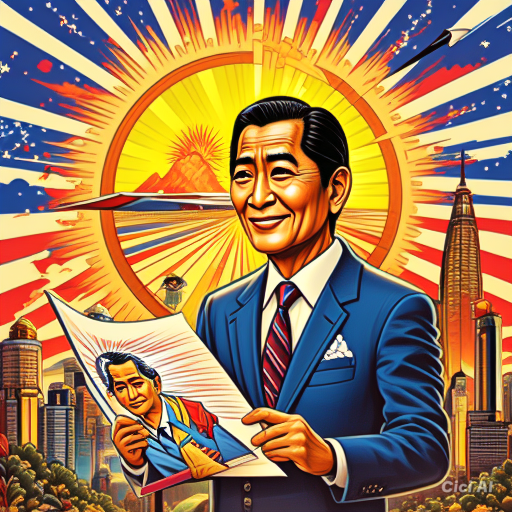
WHEN President Ferdinand Marcos Jr. announced the recent credit rating upgrade to an A- by Japan-based Rating and Investment Information, Inc. (R&I), he framed it as the Philippines’ “highest rating to date.” While technically true that the A- rating marks a significant milestone, it’s essential to clarify the broader context. The Philippines has received an A- rating before—back in 2020—from the Japan Credit Rating Agency. This latest upgrade, while momentous, should be seen as a reaffirmation of the country’s enduring economic resilience and potential rather than an unprecedented achievement.
A Long Road to Economic Stability
The Philippines’ economic journey has been one of persistence, tenacity, and continuous adaptation. In the early post-war years, the country was often hailed as one of the most promising economies in Asia. However, political instability, periods of authoritarian rule, and economic mismanagement in the later part of the 20th century led to stagnation and a series of economic crises. These turbulent times left the Philippines struggling with high levels of debt, inflation, and poverty.
The 1990s and early 2000s brought a slow but steady recovery, as successive administrations implemented reforms to stabilize the economy. The country began to benefit from a young and vibrant workforce, strong remittances from Overseas Filipino Workers (OFWs), and a growing service sector, particularly in business process outsourcing (BPO). By the mid-2010s, the Philippines had secured investment-grade ratings, marking a clear shift towards greater economic stability.
However, challenges persisted. Despite strong growth, poverty rates remained stubbornly high, and infrastructure lagged behind that of regional peers. The COVID-19 pandemic, which struck in 2020, posed a severe test to the country’s economic resilience, leading to a sharp contraction and further exposing the vulnerabilities of the healthcare system and the uneven distribution of wealth.
The Significance of the A- Credit Rating
The recent A- credit rating from R&I is not just a mark of approval from international observers; it is a testament to the Philippines’ ability to navigate a complex and often volatile global economic environment. The factors behind this upgrade—macroeconomic stability, a strong banking sector, and a robust external position—reflect years of prudent fiscal management and economic stewardship. These achievements should be celebrated as they signify the confidence of investors in the country’s economic trajectory.
But what does this mean for the average Filipino? A higher credit rating allows the government to borrow at lower costs, freeing up funds that can be redirected towards critical public services like healthcare, education, and infrastructure. It also signals to international investors that the Philippines is a stable and promising destination for their capital, which can lead to job creation and higher incomes.
The Road Ahead: Scenarios and Implications
If the current trajectory continues, Filipinos can look forward to a period of sustained economic growth, marked by increased foreign direct investment, higher employment rates, and improved living standards. The strategic inclusion of the Philippines in the US semiconductor supply chain, as highlighted by the government, could be a game-changer, positioning the country as a key player in a critical global industry. This could lead to the development of high-tech industries, creating quality jobs and driving innovation.
However, this optimistic scenario is not guaranteed. Several challenges could derail the trajectory. The country’s high debt levels, exacerbated by the pandemic, pose a significant risk. Managing this debt while ensuring continued investment in public goods will require careful fiscal management. Inflation, though currently under control, could resurge due to global economic shocks, climate change, or geopolitical tensions. Additionally, persistent poverty and inequality remain barriers to inclusive growth. Without targeted efforts to lift the most vulnerable, economic gains may not translate into improved lives for all Filipinos.
Sustained Growth: Key Strategies
To ensure that the Philippines not only maintains but accelerates its economic progress, several strategic actions are necessary:
- Strengthening Fiscal Management: The government must continue its efforts to reduce the fiscal deficit and manage debt levels carefully. This includes broadening the tax base, improving tax collection, and ensuring that public spending is efficient and targeted towards growth-enhancing investments.
- Investing in Human Capital: The government’s emphasis on investing in the Filipino people is well-placed. Improving access to quality education, healthcare, and social services will create a more skilled workforce, capable of driving innovation and sustaining economic growth.
- Enhancing Infrastructure Development: Continued investment in infrastructure is crucial for long-term growth. Modernizing transportation, communication, and energy systems will not only attract more investments but also ensure that growth is more evenly distributed across the country.
- Addressing Climate Risks: The Philippines is one of the most vulnerable countries to climate change. Implementing robust climate adaptation and mitigation strategies will protect economic gains and ensure sustainable development.
- Fostering Inclusive Growth: The government must prioritize policies that address inequality, ensuring that the benefits of growth are felt by all Filipinos. This includes supporting small and medium enterprises (SMEs), improving rural development, and enhancing social protection programs.
A Brighter Tomorrow
The A- credit rating is a resounding endorsement of the Philippines’ economic reforms, signaling a brighter future for its citizens. Yet, it is also a reminder of the work that remains to be done. The journey to economic prosperity is not a sprint but a marathon, requiring steadfast commitment, visionary leadership, and the collective effort of all Filipinos.
As the country navigates the challenges ahead, there is reason to be hopeful. The resilience of the Filipino spirit, combined with strategic governance, can break the cycle of poverty and set the stage for a more prosperous and inclusive future. The world is watching, and with determination and unity, the Philippines can rise to meet this moment, transforming potential into reality.

- “Forthwith” to Farce: How the Senate is Killing Impeachment—And Why Enrile’s Right (Even If You Can’t Trust Him)

- “HINDI AKO NAG-RESIGN!”

- “I’m calling you from my new Globe SIM. Send load!”

- “Mahiya Naman Kayo!” Marcos’ Anti-Corruption Vow Faces a Flood of Doubt

- “Meow, I’m calling you from my new Globe SIM!”

- “No Special Jail for Crooks!” Boying Remulla Slams VIP Perks for Flood Scammers

- “PLUNDER IS OVERRATED”? TRY AGAIN — IT’S A CALCULATED KILL SHOT

- “Several Lifetimes,” Said Fajardo — Translation: “I’m Not Spending Even One More Day on This Circus”

- “Shimenet”: The Term That Broke the Internet and the Budget

- “We Did Not Yield”: Marcos’s Stand and the Soul of Filipino Sovereignty



 KWEBA ni BAROK
Leave a comment