By Louis ‘Barok‘ C Biraogo — August 26, 2024
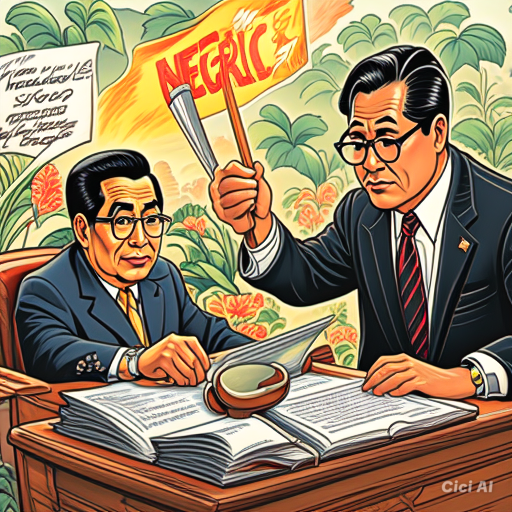
FORMER Negros Oriental congressman Arnolfo “Arnie” Teves, facing serious charges including murder and terrorism, has taken a dramatic step: he’s appealing to the United Nations Commission on Human Rights, claiming harassment and political persecution. This bold move comes amidst a fierce legal battle, with Teves’ legal counsel, Atty. Ferdinand Topacio, arguing that his client is a victim of political maneuvering. This commentary will explore the legal intricacies of the case, analyze the merits of Topacio’s arguments, and assess the potential outcomes for both Teves and the Philippine government.
The Teves Saga: A History of Conflict and Controversy
Arnolfo Teves has been a controversial figure in Philippine politics, particularly following the March 4, 2023 attack that resulted in the death of Governor Roel Degamo and nine others. The incident led to multiple charges against Teves, including ten counts of murder and various other criminal charges. The Anti-Terrorism Council of the Philippines has since designated Teves as a terrorist, which resulted in the freezing of his assets.
Topacio’s decision to seek international intervention through the UNCHR and special rapporteurs is rooted in claims that the charges against Teves are politically motivated, and that his rights under international law have been violated. This strategy, while ambitious, requires careful examination of both international and Philippine law.
Challenging Topacio: Counterarguments to His Claims
Topacio’s legal strategy rests on the incorporation doctrine, which posits that international treaties to which the Philippines is a signatory become part of domestic law. However, the success of this argument is contingent on several factors.
- International Law and the Doctrine of Non-Interference: The Philippines is indeed a signatory to the UN Universal Declaration of Human Rights and the International Covenant on Civil and Political Rights (ICCPR). Under these treaties, Teves has the right to seek protection from human rights violations. However, it is important to note that the principle of state sovereignty and the doctrine of non-interference in the internal affairs of states are fundamental in international law. The UNCHR and special rapporteurs can provide recommendations but lack the authority to enforce decisions that override national sovereignty, especially in matters concerning criminal prosecution.
- UN Special Rapporteurs’ Limitations: Topacio has filed for a review by UN special rapporteurs. While special rapporteurs can investigate and report on human rights issues, their role is primarily advisory. They do not have the power to overturn national court decisions or interfere directly in ongoing legal processes. As established in the precedent Case of Al-Skeini and Others v. the United Kingdom (2007), the European Court of Human Rights highlighted the limitations of international bodies in intervening in national matters, especially when the legal process is still ongoing.
- Extradition and Terrorism Charges: The legal process for Teves’ extradition from Timor Leste, which was granted by the Timor Leste Court in June 2024, aligns with international legal standards on extradition. Under the Philippine Extradition Law (PD No. 1069), the Philippines is obligated to ensure that extradition requests meet the requirements of dual criminality and respect for human rights. However, Teves’ designation as a terrorist under the Anti-Terrorism Act of 2020 complicates matters, as this designation allows for the freezing of assets and other measures under Philippine law. The precedent set by Secretary of Justice v. Lantion (2000) underscores the deference given to the state in extradition matters, further weakening Topacio’s argument.
The Case for Topacio: Arguments in Support of His Assertions
Despite the challenges, Topacio’s strategy is not entirely without merit, and there are several arguments in favor of his legal maneuver.
- Human Rights Violations: The invocation of human rights protections under the ICCPR is a powerful tool, especially if there is credible evidence that Teves is being persecuted for political reasons. The case Lopez Mendoza v. Venezuela (2011) before the Inter-American Court of Human Rights demonstrated that international bodies can exert pressure on states to ensure fair treatment of individuals accused of crimes, particularly when political persecution is alleged.
- Doctrine of Incorporation: As Topacio pointed out, international treaties like the ICCPR, once ratified, are considered part of Philippine law under the doctrine of incorporation. This means that the rights guaranteed under these treaties, including the right to a fair trial and protection against arbitrary detention, must be upheld by the Philippine government. In the case Mejoff v. Director of Prisons (1949), the Philippine Supreme Court recognized the application of international law principles in domestic cases, reinforcing the validity of Topacio’s argument.
- Judicial Review and Human Rights: Philippine jurisprudence has shown a willingness to engage with international human rights norms, as seen in Republic v. Sandiganbayan (2003), where the court recognized the role of international law in shaping domestic legal standards. This opens the door for Teves to argue that his rights under international law are being violated, which could lead to judicial review of the actions taken against him.
Topacio’s Gambit: A Legal Analysis
Topacio’s appeal to the UN is an audacious legal move, but its success will largely depend on the presentation of credible evidence of human rights violations and political persecution. The legal precedents and international norms cited provide some foundation for this approach, but the challenges posed by the principles of state sovereignty, non-interference, and the limited powers of UN bodies are significant hurdles.
Moreover, the strength of the Philippine government’s case, supported by domestic law and the clear legal framework surrounding extradition and terrorism charges, suggests that Topacio’s strategy may face substantial obstacles. The decision by Timor Leste to grant extradition already indicates a level of international legal cooperation that could undermine Teves’ claims of persecution.
The Legal Battleground: Obstacles for Teves and Topacio
For Teves, the legal pathway involves several critical steps:
- Extradition Challenge: Teves must continue to challenge the extradition request through appeals in Timor Leste and potentially at the international level. However, the legal basis for such challenges is narrow, and success is far from guaranteed.
- Human Rights Appeal: Topacio must provide compelling evidence to the UNCHR that Teves is a victim of political persecution. This involves gathering credible, independent documentation of human rights abuses, which will be crucial in swaying international opinion.
- Domestic Legal Remedies: Concurrently, Teves should exhaust all legal remedies within the Philippines, including appeals to the Supreme Court, to challenge the charges against him on the grounds of political persecution and human rights violations.
Recommendations
- For Teves and Topacio: Given the formidable legal hurdles, it is recommended that Teves focus on strengthening his case by gathering substantial evidence of human rights violations. Additionally, seeking international diplomatic support, particularly from countries with a strong human rights advocacy record, could add weight to their case. Topacio should also prepare for a protracted legal battle, both domestically and internationally, and consider the potential long-term implications of UN involvement.
- For the Philippine Government: The government should ensure that its actions are fully transparent and in accordance with both domestic and international law. Given the international scrutiny, the Philippine government must adhere to due process in all legal actions against Teves, ensuring that his rights under international law are respected. Engaging with the UNCHR and providing evidence of the legality of its actions could help counter claims of political persecution.
In conclusion, while Topacio’s legal maneuver is rooted in international human rights law, the path forward is fraught with legal and diplomatic challenges. Both sides must navigate these complexities carefully, with the understanding that the outcomes will have significant implications not just for Teves, but for the broader legal and political landscape in the Philippines.

- Andres Heralds DoJ’s Transformative Justice

- Sailing to New Horizons: PEZA Sets Ambitious PHP250-B Approval Target for 2024

- Panga’s Bold Vision: The Paradigm Shift of Iwahig Mega Economic Zone

- Panga’s Pragmatic Approach to Sino-Philippine Investments

- The Shadow Over Manila

- Shadow of the Red Notice: Remulla hunts down Teves

- Frozen Enigma: NBI Bacolod’s Tussle with Darkness

- Quiboloy’s Supreme Court Shenanigans: A Pathetic Attempt to Dodge Justice

- RP’s cunundrum: A pawn in the SCS geopolitical chessboard

- Macapagal Leads: Navigating Relocation Challenges






 KWEBA ni BAROK
Leave a comment