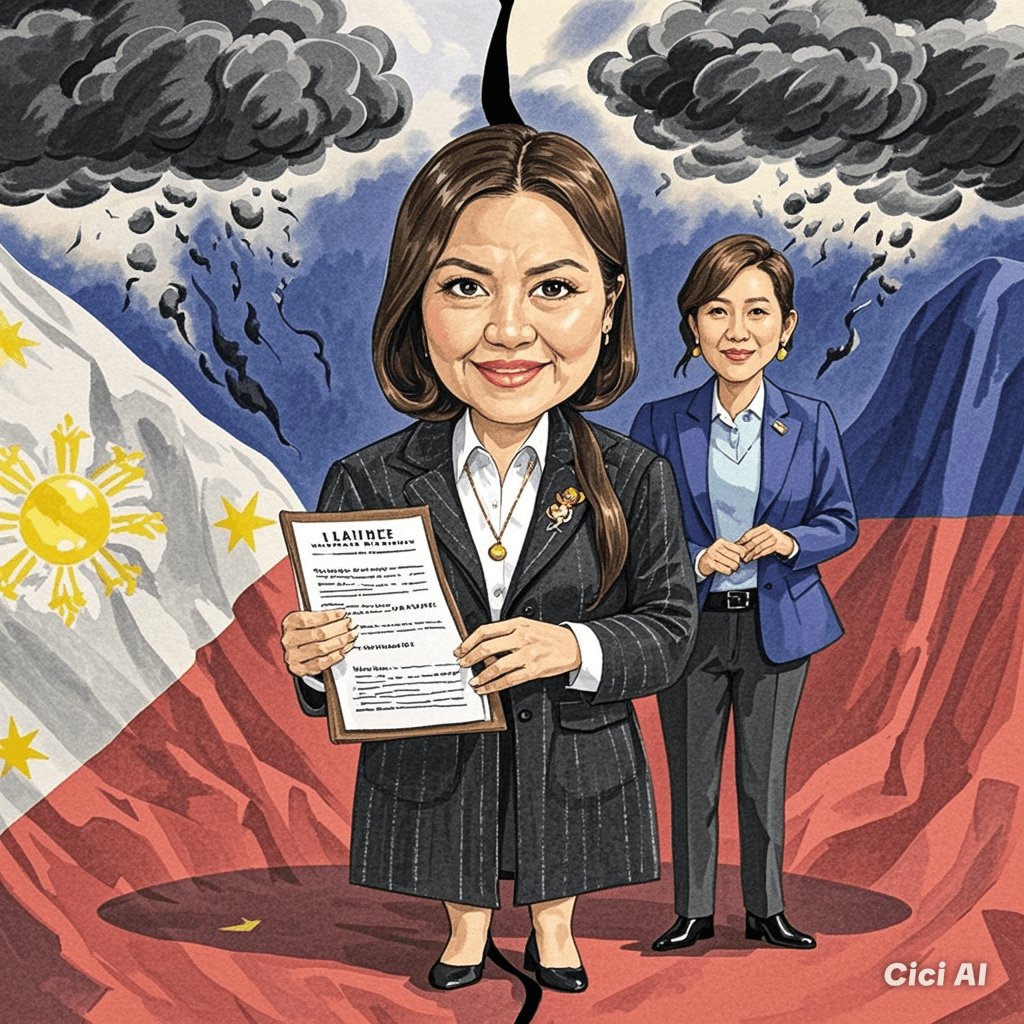
By Louis ‘Barok’ C Biraogo — August 31, 2024
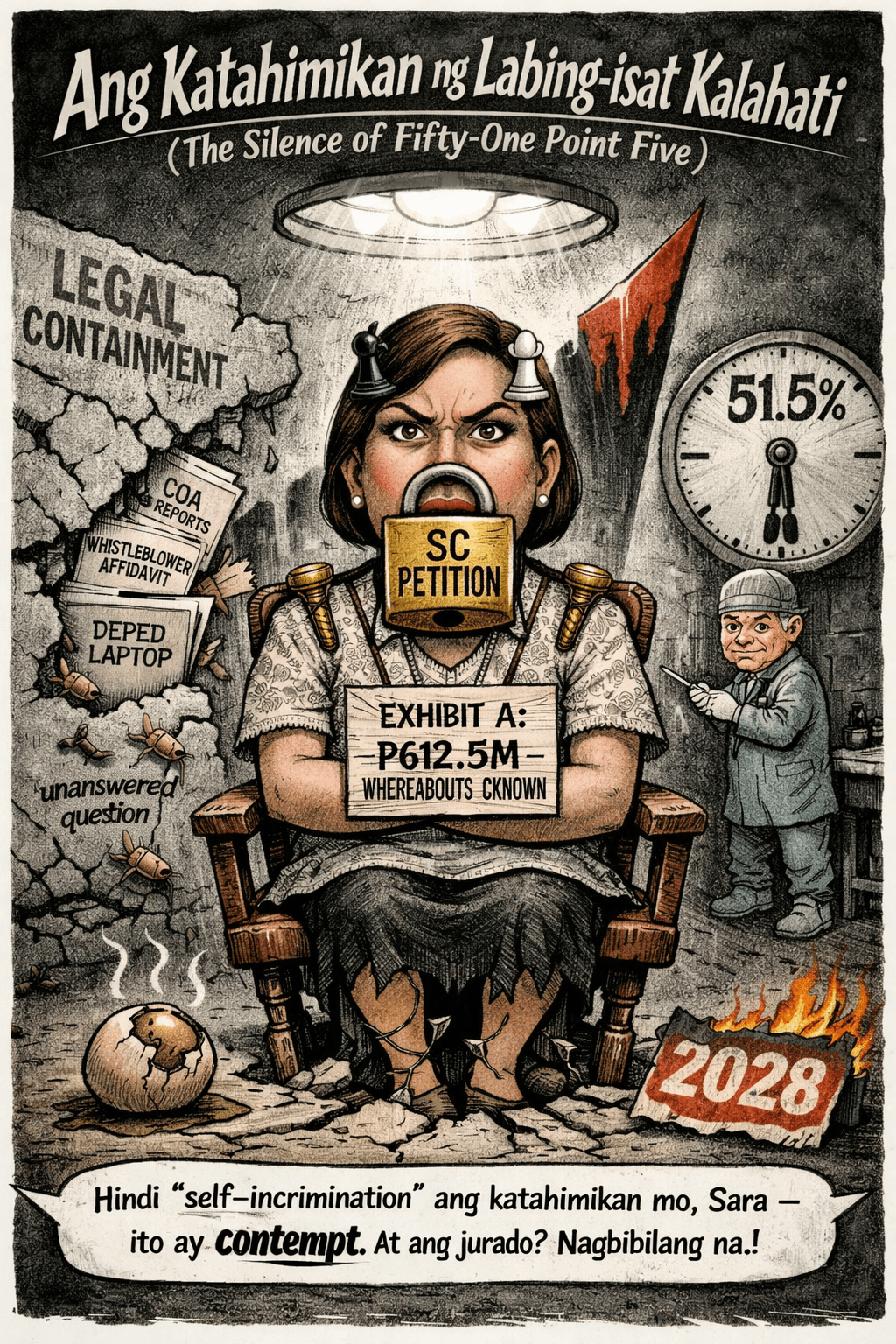
CAN a Vice President spend millions of pesos in secret, without facing consequences? That’s the question at the heart of the brewing storm in the House of Representatives, where Alliance of Concerned Teachers Rep. France Castro has accused Vice President Sara Duterte of misusing P125 million in confidential funds. The debate rages not just over the legality of Duterte’s actions, but also their far-reaching political and ethical implications.
The Legal Tightrope: Can Misuse of Confidential Funds Lead to Impeachment?
The heart of Castro’s accusation is the claim that Duterte’s handling of these funds, particularly the disallowed P73 million flagged by the Commission on Audit (COA), violates legal and constitutional standards. The legal framework surrounding confidential funds is guided by Joint Memorandum Circular (JMC) 2015-01, which tightly regulates the entitlement, use, and reporting of such funds. According to the JMC, confidential funds must be used strictly for purposes related to surveillance and intelligence activities. The COA’s Notice of Disallowance, which questions Duterte’s spending on cash rewards, goods, and office equipment, underscores a potential breach of these regulations.
Castro’s argument finds some grounding in the Philippine Constitution, particularly Article XI, which outlines the grounds for impeachment, including “culpable violation of the Constitution” and “betrayal of public trust.” If Duterte’s actions are deemed a gross misuse of public funds, violating established laws, it could theoretically meet the threshold for these impeachable offenses. Yet, the legal waters are murky. The COA’s notice is preliminary and subject to appeal, and without a definitive legal ruling, the assertion of an impeachable offense remains speculative. The burden of proof, in this case, would be immense, requiring not just evidence of misuse, but clear intent to defraud the public.
The Political Earthquake: The Impact of Impeachment on the Philippines
The political ramifications of even whispering “impeachment” in the context of a sitting Vice President are seismic. An impeachment process against Duterte would not only strain the political fabric of the nation but also deepen existing divisions. Duterte, a key figure in the political landscape and daughter of former President Rodrigo Duterte, enjoys a robust support base. Any move to impeach her could polarize the electorate, triggering a backlash that might undermine the credibility of the impeachment process itself.
Furthermore, the political entanglements between the Duterte camp and critics like Castro cannot be ignored. Duterte’s standoffish approach during the budget hearing, refusing to address questions about the funds, was more than just a procedural sidestep—it was a calculated move in a broader political chess game. Castro’s allegations, while serious, must be seen in the context of this power struggle. Should the impeachment move gain traction, it could embolden Duterte’s allies, rallying them to her defense, potentially leading to a bitter and protracted political battle.
Ethics Under Siege: The Public Trust in Jeopardy
Beyond the legal and political ramifications lies the ethical dimension of this controversy. The misuse of confidential funds, if proven true, strikes at the very heart of public trust. These funds are not ordinary budgetary allocations—they are shrouded in secrecy, their use justified only by the necessity of national security and intelligence operations. The alleged misuse of such funds for non-compliant expenditures, as flagged by the COA, raises serious ethical concerns. It suggests a cavalier attitude toward public resources, one that could erode the moral authority of the Vice President’s office.
Public perception is critical here. Duterte’s refusal to provide clarity on the issue during the budget hearing has only fueled suspicions. Transparency and accountability are cornerstones of democratic governance, and in their absence, public trust deteriorates. The ethical implications of this controversy could, therefore, have long-lasting effects on Duterte’s reputation and that of her office, casting a shadow over her political career.
The Unforeseen Impact: The Consequences of Impeachment
The path to impeachment is fraught with peril for both Duterte and her critics. Should impeachment proceedings be initiated, the immediate consequence would be a political pandemonium, disrupting the functioning of government and potentially destabilizing the administration. The long-term effects, however, could be even more profound. A successful impeachment would set a precedent, reinforcing the principle of accountability in public office, but it could also deepen political divisions and embolden populist narratives.
On the other hand, if the impeachment effort fails or is seen as politically motivated, it could backfire on Castro and her allies, further entrenching Duterte’s position and discrediting her opponents. The likelihood of impeachment, while possible, remains uncertain, largely dependent on the political calculus of key stakeholders and the public’s response to the unfolding drama.
Recommendations: Navigating the Impasse
For Duterte, the path forward demands transparency and accountability. Providing a clear and detailed explanation of the expenditures in question could mitigate the damage, restoring some degree of public trust. Engaging with the COA and addressing the Notice of Disallowance directly, rather than stonewalling, would demonstrate a commitment to the principles of good governance.
For Castro and those advocating for impeachment, caution and rigor are paramount. Any move to impeach must be grounded in incontrovertible evidence, avoiding the appearance of a politically motivated attack. Engaging the public and ensuring that the process is transparent and fair will be crucial in maintaining credibility.
In the end, this controversy is more than a political and legal battle—it’s a test of the very soul of Philippine democracy. Will we stand by and allow the misuse of public funds to erode our trust in government? Or will we demand accountability and transparency from our leaders, ensuring that those in power are held responsible for their actions? The choices made today will shape the future of our nation for years to come.

- “Forthwith” to Farce: How the Senate is Killing Impeachment—And Why Enrile’s Right (Even If You Can’t Trust Him)

- “HINDI AKO NAG-RESIGN!”

- “I’m calling you from my new Globe SIM. Send load!”

- “Mahiya Naman Kayo!” Marcos’ Anti-Corruption Vow Faces a Flood of Doubt

- “Meow, I’m calling you from my new Globe SIM!”

- “No Special Jail for Crooks!” Boying Remulla Slams VIP Perks for Flood Scammers

- “PLUNDER IS OVERRATED”? TRY AGAIN — IT’S A CALCULATED KILL SHOT

- “Several Lifetimes,” Said Fajardo — Translation: “I’m Not Spending Even One More Day on This Circus”

- “Shimenet”: The Term That Broke the Internet and the Budget

- “We Did Not Yield”: Marcos’s Stand and the Soul of Filipino Sovereignty




 KWEBA ni BAROK
Leave a comment