By Louis ‘Barok‘ C. Biraogo — September 5, 2024
REMEMBER that time you were promised something great, but it turned out to be a total disappointment? That’s what’s happening with Sara Duterte’s tenure as the Secretary of the Department of Education (DepEd). Her rise to power was meteoric, but her time at the helm has been marred by controversy, culminating in her resignation and open opposition to the Marcos administration. Now, the Commission on Audit (COA) has flagged significant mismanagement of funds within the DepEd, raising questions about the legal and ethical implications of her leadership. This commentary explores the legal entanglements, political implications, and potential consequences arising from these developments.
The COA’s Audit: A Litany of Lapses
The COA’s audit of DepEd’s 2023 budget, the last full year of Duterte’s leadership, revealed several critical issues:
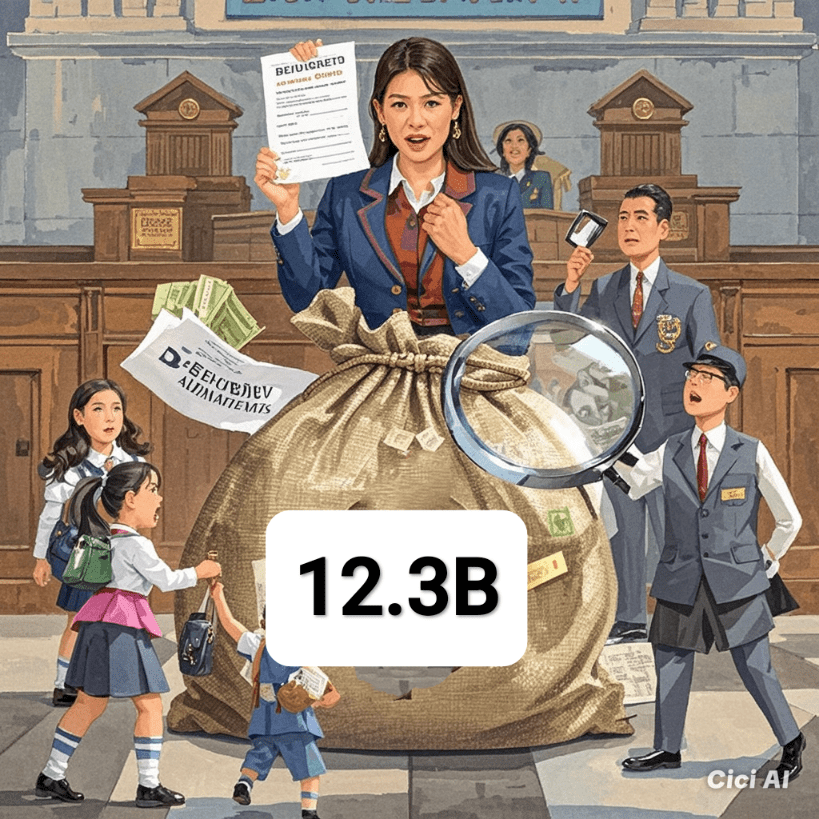
- Unsettled Notices and Misuse of Funds: The COA found that P12.3 billion remained unsettled, despite the DepEd’s acknowledgment of the flagged amount. These notices include suspensions, disallowances, and charges that stem from DepEd’s noncompliance with legal and regulatory requirements in project implementation. The significance of this amount, while only 1.7% of DepEd’s total budget, indicates systemic issues within the agency’s financial management.
- Unliquidated Cash Advances: The COA identified nearly P7 billion in unliquidated cash advances, some of which were unauthorized or lacked specific purposes, in violation of COA rules. This highlights potential lapses in internal controls and financial oversight within DepEd.
- Failed Projects:
- Computerization Program – Only 23.3% of the budget was utilized.
Last Mile Schools Program – Only three out of 93 classrooms were completed.
School-Based Feeding Program – Delays and inefficiencies hindered the program’s effectiveness.
- Computerization Program – Only 23.3% of the budget was utilized.
Legal Implications: A Potential Storm of Charges
The COA’s findings are anchored in legal and ethical standards designed to ensure government accountability and transparency:
- Violations of the Government Procurement Reform Act (RA 9184): The COA’s report suggests that DepEd failed to adhere to the bidding processes stipulated under RA 9184. This law mandates competitive bidding to promote transparency, fairness, and cost-efficiency in government procurement.
- Ethical Standards for Public Officials: The ethical obligations of public officials, as outlined in the Code of Conduct and Ethical Standards for Public Officials and Employees (RA 6713), require transparency, accountability, and responsibility in handling public funds. The COA’s findings indicate a breach of these ethical duties, particularly in the failure to properly account for significant amounts of public money.
- Supreme Court Precedents: In cases such as COA v. National Housing Authority (2012), the Supreme Court has upheld the COA’s mandate to audit and disallow government expenditures that do not conform to legal standards. The DepEd’s noncompliance with existing laws, as highlighted by COA, echoes similar situations where government entities were held accountable.
The Counter-Arguments: A Defense of Incompetence or Systemic Failures?
Supporters of Duterte and the DepEd may argue that:
- Good Faith and Procedural Issues: The DepEd could argue that any lapses were due to procedural errors or oversights, rather than intentional misuse of funds. The Supreme Court has previously recognized good faith as a mitigating factor in cases of audit disallowances (Arias v. Sandiganbayan, 1989).
- Complexity of Project Implementation: The scale and complexity of DepEd’s projects, especially in geographically isolated areas, could be cited as reasons for delays and low budget utilization. These challenges could justify the department’s failure to meet certain targets within the allotted timeframes.
- Appeal Mechanisms: The DepEd has the right to appeal the COA’s findings, as the commission allows for reconsideration and appeal processes. Success in these appeals could hinge on the department’s ability to demonstrate that the COA’s findings were based on incomplete or misinterpreted data.
Weighing the Arguments: A Question of Accountability
While the arguments in favor of Duterte and DepEd may hold some merit, they largely revolve around procedural defenses rather than substantive compliance with the law. The COA’s findings are backed by clear evidence of noncompliance with legal standards and ethical obligations, making the case against DepEd stronger. The Supreme Court has consistently upheld COA’s authority to audit and enforce compliance, particularly in instances where public funds are involved.
Legal Consequences: A Gathering Storm
If the COA’s findings are upheld, the following legal consequences could ensue:
- Criminal Prosecution: Individuals found responsible for the misuse of funds could face criminal charges, particularly if evidence of graft or corruption is uncovered. This could lead to penalties including imprisonment, fines, and disqualification from holding public office under the Anti-Graft and Corrupt Practices Act (RA 3019).
- Civil Liability: The government may pursue civil suits to recover the misused funds. Public officials could be held personally liable for the return of funds, as seen in previous cases where the Supreme Court enforced personal accountability for public funds.
- Administrative Sanctions: In addition to legal penalties, administrative sanctions such as suspension, dismissal, or forfeiture of benefits could be imposed on the responsible officials.
Charting a Course Through Legal Waters
The resolution of this controversy will likely involve several legal steps:
- Appeal and Reconsideration: DepEd may file an appeal against the COA’s findings. This process will require the department to present compelling evidence that justifies their actions or mitigates the identified lapses.
- Congressional Investigation: The ongoing congressional probe could lead to further legislative or judicial actions, depending on the findings. This might involve subpoenas, testimonies, and deeper investigations into the financial management of DepEd.
- Judicial Review: Should the issue escalate, it may be brought before the judiciary for review. This could involve questioning the validity of COA’s findings or seeking relief from penalties.
The main hurdles for DepEd will be substantiating their defense and overcoming the political and public pressure that this controversy has generated.
Best Options and Recommendations
For the DepEd and Duterte:
- Full Cooperation with Investigations: It is in DepEd’s best interest to fully cooperate with the COA and congressional investigations, providing all necessary documentation and evidence to support their case.
- Implementation of Reforms: DepEd should immediately implement internal reforms to address the deficiencies highlighted by the COA. This could include strengthening financial oversight, improving procurement processes, and ensuring timely completion of projects.
- Public Accountability: Duterte and DepEd should consider issuing a comprehensive public statement addressing the COA’s findings, acknowledging any lapses, and outlining steps being taken to rectify the situation.
For the COA and House of Representatives:
- Continued Oversight: The COA should continue its rigorous oversight of DepEd’s financial practices, ensuring that public funds are used effectively and transparently.
- Legislative Action: The House of Representatives should consider legislative measures to enhance the accountability mechanisms within government agencies, particularly in the education sector.
- Public Transparency: Both the COA and Congress should ensure that their findings and actions are communicated transparently to the public to maintain trust and accountability.
Conclusion
So, will Sara Duterte be held accountable for the alleged mismanagement of funds during her time as DepEd Secretary? The controversy surrounding her tenure is emblematic of broader issues of governance, transparency, and accountability in the Philippine government. While there are arguments to be made on both sides, the weight of evidence suggests significant lapses in the management of public funds under her leadership. The ongoing investigations and potential legal actions will serve as crucial tests of the country’s commitment to holding public officials accountable, regardless of their political stature. The answer to this question will have far-reaching implications for the future of Philippine politics and governance.

- “Forthwith” to Farce: How the Senate is Killing Impeachment—And Why Enrile’s Right (Even If You Can’t Trust Him)

- “HINDI AKO NAG-RESIGN!”

- “I’m calling you from my new Globe SIM. Send load!”

- “Mahiya Naman Kayo!” Marcos’ Anti-Corruption Vow Faces a Flood of Doubt

- “Meow, I’m calling you from my new Globe SIM!”

- “No Special Jail for Crooks!” Boying Remulla Slams VIP Perks for Flood Scammers

- “PLUNDER IS OVERRATED”? TRY AGAIN — IT’S A CALCULATED KILL SHOT

- “Several Lifetimes,” Said Fajardo — Translation: “I’m Not Spending Even One More Day on This Circus”

- “Shimenet”: The Term That Broke the Internet and the Budget

- “We Did Not Yield”: Marcos’s Stand and the Soul of Filipino Sovereignty






 KWEBA ni BAROK
Leave a comment