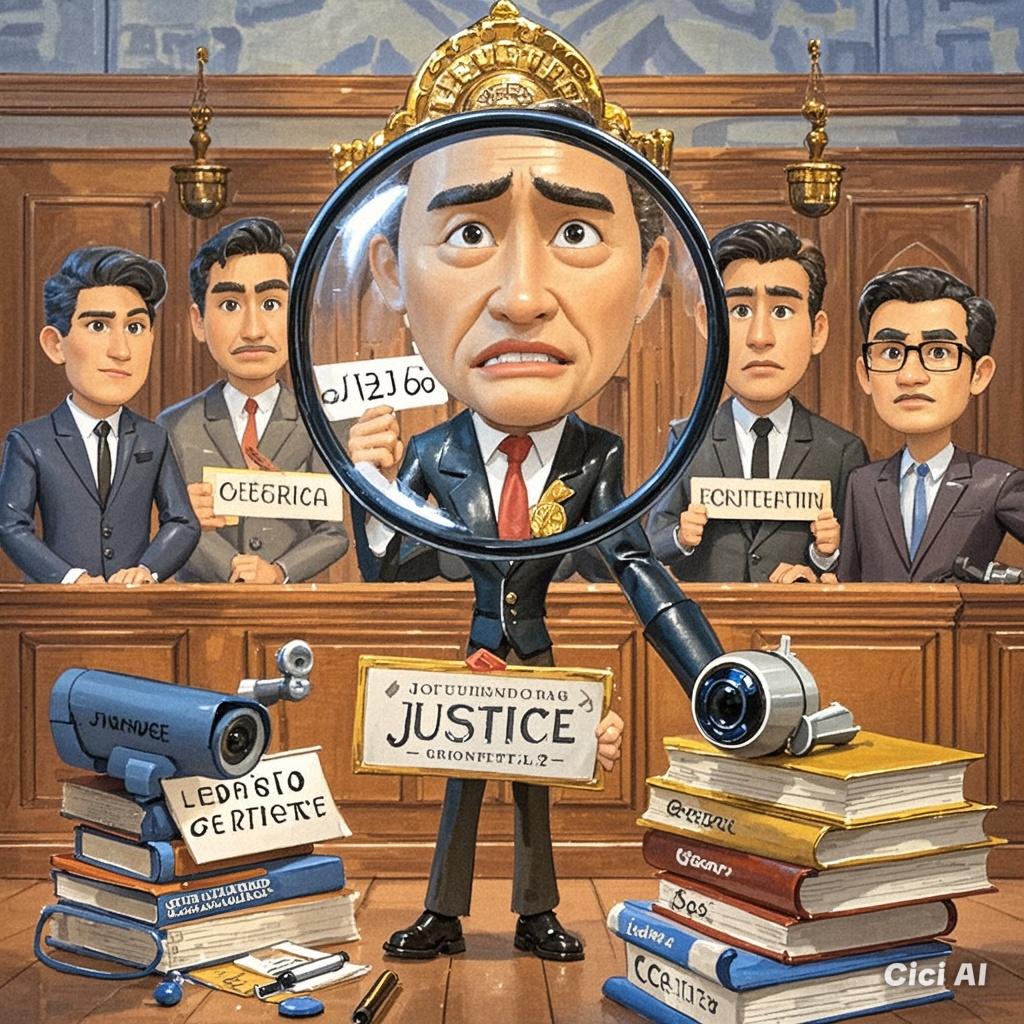
By Louis ‘Barok‘ C. Biraogo — September 16, 2024
IN AN industry where fame is power, even the descendants of royalty aren’t safe. Sparkle artist Sandro Muhlach, heir to one of the Philippines’ most celebrated showbiz dynasties, has launched serious allegations of sexual exploitation against GMA Network contractors Jojo Nones and Richard Cruz, pulling the curtain back on a system rife with abuse and corruption.
The Roots and Significance of the Conflict
The Muhlachs are a prominent dynasty in the Philippine entertainment industry, with multiple generations leaving an indelible mark on film and television. Despite their stature, the allegations made by Sandro Muhlach reveal how even those with influence and connections are not immune to exploitation. This incident, which occurred after GMA’s gala night in July 2023, has stirred attention not just because of the names involved but because it highlights the systemic problem of sexploitation in the industry.
Sandro’s filing of criminal charges against Nones and Cruz, accusing them of rape through sexual assault and acts of lasciviousness, is seen by many as just the tip of a larger iceberg. Numerous individuals in the entertainment industry face similar situations but often remain silent due to fear, stigma, or lack of institutional support. As a result, this case is significant in pushing the conversation forward regarding reforms and protections for vulnerable artists.
Sandro Muhlach’s Case at the DOJ
In his complaint, Sandro Muhlach, through his legal counsel, presented various pieces of evidence to substantiate his claims. These include:
- Testimony of Sandro Muhlach – Sandro’s affidavit details the alleged events that transpired after the gala night, accusing Nones and Cruz of sexually assaulting him.
- CCTV Footage – The footage, which reportedly shows the moments leading up to and following the alleged incident, was submitted to corroborate the timeline of events.
- Medical Records – While Sandro’s drug tests came back negative, his legal team presented psychological evaluations to demonstrate the emotional and psychological trauma he endured post-incident.
- Witness Statements – Statements from individuals who were with Sandro during or around the time of the alleged incident were also presented to establish his state of mind and physical condition.
Relevant provisions of Philippine law include Article 266-A of the Revised Penal Code, which defines the elements of rape through sexual assault, as well as Article 336, covering acts of lasciviousness. In prior decisions, the Philippine Supreme Court has ruled that testimony in sexual assault cases must be weighed with the utmost care, with the burden on the complainant to prove that the elements of the crime are present.
The Counter-Argument: Dispelling the Allegations
In response, Nones and Cruz filed a joint counter-affidavit with the DOJ, denying the charges and arguing that Sandro’s testimony lacked credibility. Their legal arguments focus on several key points:
- No Evidence of Force or Threat – The accused assert that there is no proof of force or intimidation, which are key elements of the crimes charged. They contend that Sandro was not drugged, drunk, or coerced, citing his negative drug test as evidence.
- CCTV Footage – The same footage submitted by Sandro’s camp is used by the defense to argue that he showed no signs of distress or injury after the alleged incident. The defense maintains that his ability to walk unaided contradicts his claim of being assaulted.
- Absence of Admission of Liability or Offer of Settlement – Their legal counsel emphasized that no admissions or offers of settlement were made, which they argue further diminishes the credibility of the accusations.
The defense’s strategy also draws on Philippine Supreme Court jurisprudence that requires clear and convincing evidence in rape cases, as the mere accusation of such a crime, without sufficient corroborative evidence, is insufficient for conviction.
Legal Steps and Hurdles
With the counter-affidavit submitted, the case is now under preliminary investigation by the DOJ. This phase will determine whether prima facie evidence with reasonable certainty of conviction exists to move the case forward to trial. Key legal hurdles include:
- Prima Facie Evidence with Reasonable Certainty of Conviction Standard – The DOJ must evaluate whether the evidence presented by Sandro sufficiently meets this newly established threshold to warrant a formal criminal case.
- Evidentiary Challenges – Both sides must contend with the interpretation of the CCTV footage, the credibility of witness testimonies, and the absence of physical evidence like a positive drug test or visible signs of assault on Sandro.
- Psychological Impact – While Sandro’s psychological trauma is an important factor, the defense is likely to argue that this alone cannot prove the elements of rape through sexual assault or acts of lasciviousness.
Assessment of Case Strength
Objectively, Sandro Muhlach’s case hinges heavily on his testimony and the psychological impact of the alleged incident, as physical evidence is either absent or contested by the defense. The CCTV footage, used by both parties, complicates the case, and its interpretation will be pivotal. While Philippine courts give significant weight to the testimony of sexual assault victims, the defense has laid a foundation to challenge the credibility of Sandro’s account.
The accused, Nones and Cruz, have presented a coherent defense focusing on the absence of force or intimidation, with supporting evidence such as the negative drug test. Their legal team has effectively used both law and jurisprudence to argue that the charges are unsubstantiated.
The Verdict Awaits: Exploring the Potential Legal Outcomes
If Sandro prevails, the accused could face serious criminal penalties, including imprisonment, under the Revised Penal Code. Conviction would also set a strong precedent in tackling sexual exploitation in the showbiz industry, potentially empowering other victims to come forward.
On the other hand, if Nones and Cruz are acquitted, Sandro may face legal repercussions for filing baseless charges, including potential civil suits for damages.
Recommendations
For Sandro, the recommendation is to strengthen his legal case with additional corroborating evidence, if available, to meet the burden of proof. Psychological expert testimony may also play a crucial role in establishing the mental and emotional impact of the incident.
For Nones and Cruz, continuing to focus on the lack of physical evidence and inconsistencies in the testimony will be key. They should also prepare to address any potential new evidence that Sandro’s team may present during the course of the investigation.
The courtroom is the stage, the lawyers are the actors, and the truth is the script. Both sides face significant legal battles ahead, and the case will ultimately hinge on the evidence, interpretation of the law, and the credibility of the parties involved.
- “Forthwith” to Farce: How the Senate is Killing Impeachment—And Why Enrile’s Right (Even If You Can’t Trust Him)
- “HINDI AKO NAG-RESIGN!”

- “I’m calling you from my new Globe SIM. Send load!”

- “Mahiya Naman Kayo!” Marcos’ Anti-Corruption Vow Faces a Flood of Doubt

- “Meow, I’m calling you from my new Globe SIM!”

- “No Special Jail for Crooks!” Boying Remulla Slams VIP Perks for Flood Scammers

- “PLUNDER IS OVERRATED”? TRY AGAIN — IT’S A CALCULATED KILL SHOT

- “Several Lifetimes,” Said Fajardo — Translation: “I’m Not Spending Even One More Day on This Circus”

- “Shimenet”: The Term That Broke the Internet and the Budget
- “We Did Not Yield”: Marcos’s Stand and the Soul of Filipino Sovereignty



 KWEBA ni BAROK
Leave a comment