By Louis ‘Barok’ C Biraogo — September 18, 2024
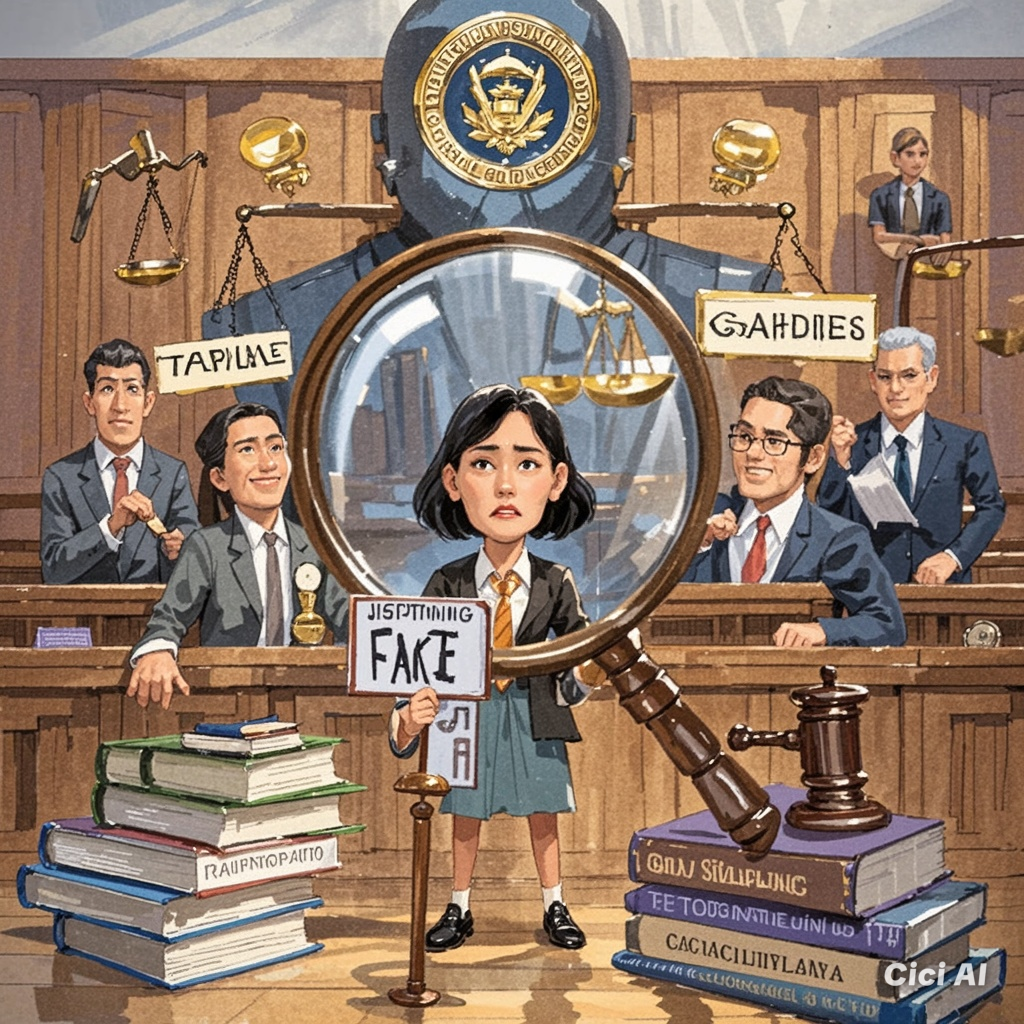
THE Department of Justice is gearing up for a high-stakes showdown with the legal team of former Bamban, Tarlac Mayor Alice Guo, after uncovering what they claim is a ‘fake’ counter-affidavit. At the heart of this unfolding scandal are serious allegations of trafficking and questionable legal tactics, involving one of the country’s most respected law firms. As Justice Undersecretary Nicky Ty prepares to file disciplinary charges, the Philippine legal profession braces for what could be a precedent-setting case with seismic consequences.
The Alice Guo Scandal: Where Politics, Law, and Crime Intersect
Alice Guo, a former mayor, stands accused of qualified human trafficking, a serious offense under Philippine law. While human trafficking cases are inherently complex and global in nature, Guo’s case has become mired in an international dimension with her recent arrest in Indonesia. Her involvement in this crime raises questions about possible ties to larger criminal syndicates operating across borders. Guo’s ability to leave the country before her arrest—and the apparent uncertainty surrounding her whereabouts—suggests that she may have benefited from networks that transcend local legal constraints. This international component intensifies scrutiny on her legal strategies, as well as the role her lawyers played in attempting to delay justice.
Gana Atienza Avisado: A Legal Powerhouse
The law firm defending Guo, Gana Atienza Avisado, is well-known in legal circles, with a reputation for representing high-profile clients, including Cebu Governor Gwendolyn Garcia, Senator Imee Marcos and Baguio City Mayor Benjamin B. Magalong. This firm is no stranger to contentious legal battles and possesses the experience to navigate complex cases. Atty. Alex Avisado, the firm’s lead counsel in Guo’s case, has aggressively defended the firm’s actions, asserting that they followed standard legal procedures in submitting the counter-affidavit. However, their reputation as a “formidable adversary” is under threat, as their handling of Guo’s case comes under intense scrutiny. Whether this defense firm can uphold its professional standing or face potential sanctions will have ramifications for their standing in the legal community.
Undersecretary Nicky Ty: A Force for Justice at the DOJ
Undersecretary Ty has adopted an assertive stance in pursuing justice in Guo’s case, signaling the DOJ’s commitment to holding all parties accountable, including the lawyers. His focus on the notarization of the counter-affidavit—which appears to have been signed without Guo’s physical presence—highlights a potential breach of ethical conduct under the Philippine Code of Professional Responsibility (CPR). Rule 10.01 of the CPR mandates that lawyers “shall not engage in unlawful, dishonest, immoral, or deceitful conduct.” The submission of a legally questionable document is a significant ethical breach that can erode public trust in the legal system. Ty’s efforts to ensure the integrity of legal proceedings align with past Supreme Court rulings that punish such misconduct, as seen in Adriano v. De Leon, A.C. No. 1518, 136 SCRA 28 (1969), where failure to adhere to professional responsibilities led to suspension.
Is Justice Being Delayed? The Accusation of Stalling Tactics
A closer look at the timing and execution of legal strategies raises suspicions of intentional delay tactics. The submission of the allegedly “fake” counter-affidavit, followed by a motion to allow a videoconference for Guo’s testimony, has undeniably stretched the timeline of the case. This delay is viewed by the DOJ as a clear attempt to stall justice, a strategy that could have broader consequences if it becomes a common practice. The Philippine legal system relies on timely resolutions to maintain its credibility, and any tactics that subvert this process could result in severe penalties.
The Case for Undersecretary Ty: Supporting Arguments for the DOJ’s Actions
Undersecretary Ty’s position is bolstered by strong legal and ethical grounds. By pointing out that the counter-affidavit was notarized without Guo’s physical presence, Ty highlights a violation of Rule 138, Section 3 of the Philippine Rules of Court, which governs the conduct of lawyers and requires them to adhere to the highest standards of honesty and diligence. Furthermore, Ty’s concerns align with the Supreme Court’s precedent in Atty. De los Santos v. People of the Philippines, A.C. No. 11321 (2022), where a lawyer’s misconduct involving false representations to a court resulted in disbarment. Given that the affidavit submitted on Guo’s behalf directly impacted the DOJ’s ability to process the case efficiently, the defense counsel’s actions can be seen as obstruction of justice, a serious charge in both criminal and disciplinary contexts.
A Different Perspective: Counterarguments to the DOJ’s Position
On the other hand, the defense mounted by Gana Atienza Avisado claims adherence to legal norms. Atty. Avisado’s statement that they filed a motion to allow Guo’s videoconference testimony suggests an effort to remain within legal bounds. The firm also highlights that they did not directly notarize the counter-affidavit, which they argue absolves them of direct wrongdoing. In Bello v. Office of the Bar Confidant, A.C. No. 13562 (2023), the Supreme Court showed leniency in cases of negligence when no intentional deceit was involved. Avisado’s team may argue that the submission of the affidavit, while flawed, did not constitute deliberate fraud but was a result of miscommunication and logistical challenges stemming from Guo’s absence from the country.
The Scales of Justice: Who Will Tip the Balance?
At this juncture, the DOJ appears to have a stronger case. The submission of a “fake” counter-affidavit, especially in a case as severe as human trafficking, is a serious matter, and the firm’s failure to ensure Guo’s physical presence during notarization could easily be construed as negligent at best, and dishonest at worst. The Supreme Court has historically shown little tolerance for breaches of legal ethics, as seen in cases like Atty. Elmer de la Rosa. While the defense has attempted to deflect blame, the legal standards governing notarization and lawyer conduct are clear, and the firm’s actions may ultimately fail to meet those standards.
Legal and Other Consequences if the Case Succeeds
Should the Supreme Court find the lawyers guilty of misconduct, they could face serious penalties, including suspension or disbarment. Additionally, they could be subject to civil liabilities if Guo or other parties file lawsuits for damages incurred due to their actions. A ruling against the defense team would also set a precedent, reinforcing the DOJ’s authority to hold lawyers accountable for procedural breaches.
Recommendations
For the DOJ:
- Maintain Transparency: To bolster public trust, the DOJ should ensure that all actions taken in this case are transparent and based on clear legal principles.
- Pursue Due Process: While pursuing accountability, the DOJ should avoid creating the perception of a witch hunt. Ensuring that the lawyers have a fair chance to defend themselves will solidify the integrity of the case.
For Gana Atienza Avisado:
- Reinforce Legal Standards: The firm should prioritize adherence to the highest ethical standards moving forward, ensuring that any future actions are beyond reproach.
- Prepare a Strong Defense: Given the gravity of the situation, the firm should mount a well-prepared defense, potentially involving expert testimony on the nuances of notarization laws and international legal logistics.
Conclusion
As the defense scrambles to justify its actions, the DOJ’s unwavering commitment to legal ethics is a powerful signal that justice will not be compromised. The ramifications of this case will ripple far beyond the courtroom, reshaping not only the legal profession but also the pillars of the Philippine justice system for years to come.

- “Forthwith” to Farce: How the Senate is Killing Impeachment—And Why Enrile’s Right (Even If You Can’t Trust Him)
- “HINDI AKO NAG-RESIGN!”

- “I’m calling you from my new Globe SIM. Send load!”

- “Mahiya Naman Kayo!” Marcos’ Anti-Corruption Vow Faces a Flood of Doubt

- “Meow, I’m calling you from my new Globe SIM!”

- “No Special Jail for Crooks!” Boying Remulla Slams VIP Perks for Flood Scammers

- “PLUNDER IS OVERRATED”? TRY AGAIN — IT’S A CALCULATED KILL SHOT

- “Several Lifetimes,” Said Fajardo — Translation: “I’m Not Spending Even One More Day on This Circus”

- “Shimenet”: The Term That Broke the Internet and the Budget

- “We Did Not Yield”: Marcos’s Stand and the Soul of Filipino Sovereignty





 KWEBA ni BAROK
Leave a comment