By Louis ‘Barok‘ C. Biraogo — September 20, 2024
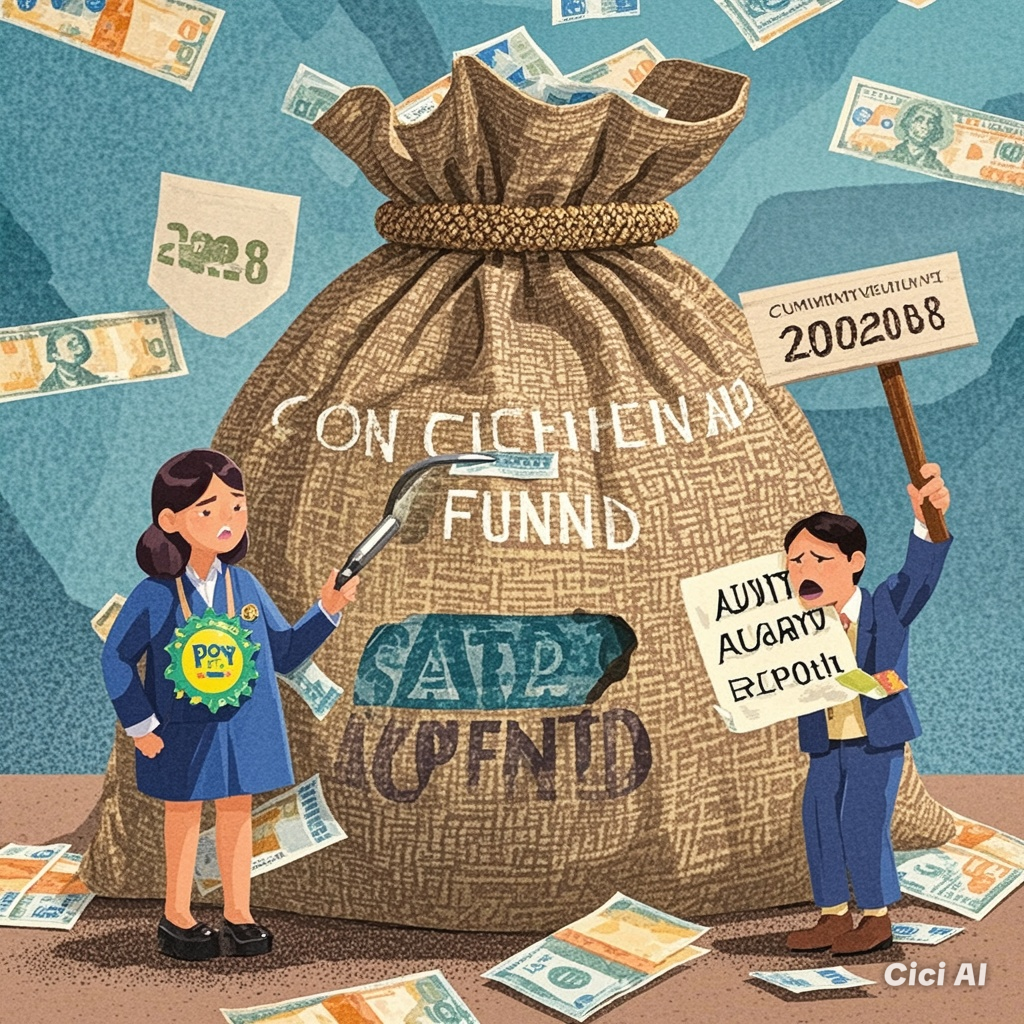
WHEN millions of taxpayer pesos vanish behind the veil of ‘confidential and intelligence funds’ (CIF), every Filipino has a right to demand answers. Now, all eyes are on Vice President Sara Duterte, who finds herself at the center of a brewing storm over her office’s mysterious spending. With lawmakers raising red flags and the Commission on Audit (COA) stepping in, this is no ordinary political spat—it’s a battle over transparency and trust in government.
At the heart of the controversy is the House of Representatives’ investigation into the Office of the Vice President’s (OVP) P500 million CIF allocation for 2023. Vice President Duterte’s refusal to fully cooperate with the inquiry has only raised further suspicion. As Rep. Ramon Rodrigo Gutierrez of the 1-Rider party-list pointed out, “This is public money, not a personal slush fund.”
The Controversy
The COA flagged P164 million, or nearly 44%, of the P375 million CIF spent by the OVP in 2023. The flagged amount, detailed in an Audit Observation Memorandum (AOM), raises serious questions about the legitimacy of these expenditures. Although the OVP chose not to spend the remaining P125 million after the House removed CIF allocations from its 2024 budget, the funds that were used warrant scrutiny.
Vice President Duterte has characterized the House inquiry as a politically motivated attack, aimed at derailing her potential 2028 presidential bid. However, this defense sidesteps the critical issue at hand—whether public funds have been used responsibly and lawfully.
The Case for Scrutiny
Advocates for deeper scrutiny of Duterte’s CIF expenditures argue that transparency is non-negotiable when public funds are involved. Confidential funds are already subject to less oversight, making it essential to ensure they are not being misused. Rep. Mikaela Angela Suansing highlighted a troubling pattern: out of P375 million disbursed by the OVP, almost half has been questioned by COA for lack of proper documentation.
Gutierrez’s concerns about “repeated, templated reporting” suggest that the OVP is failing to provide detailed justifications for its spending. Given the large sums involved, this is alarming. The COA’s mandate is to ensure that public money is spent appropriately, and the OVP’s refusal to answer these questions opens the door to suspicion.
The Philippine Constitution is clear: public office is a public trust. Transparency and accountability are core principles enshrined in the law, and the Anti-Graft and Corrupt Practices Act (Republic Act No. 3019) ensures that public officials can be held accountable for misusing government funds.
The Case Against Scrutiny: Political Targeting?
Duterte and her supporters claim that the inquiry is politically motivated. They argue that while other government offices also receive CIFs, the OVP is being singled out for scrutiny. Duterte has framed this investigation as a “well-funded and coordinated political attack” designed to weaken her political future. In the cutthroat world of Filipino politics, this argument is not without merit—factional rivalries often dictate the pace and nature of investigations.
However, even if political motives are involved, it does not absolve the OVP of its responsibility to demonstrate accountability. The core issue remains the responsible use of public funds, not future elections.
SWOT Analysis of Duterte’s CIF Expenditures
Strengths:
- Confidentiality in Security: The OVP’s use of CIFs aligns with the purpose of enhancing security measures and national defense. This is a legitimate and often necessary tool.
- Duterte’s Popularity: Sara Duterte enjoys strong political support, which may buffer her from immediate political consequences.
Weaknesses:
- Lack of Transparency: The vagueness in the use of CIFs, coupled with the COA’s adverse findings, undermines public trust.
- Political Exposure: Duterte’s political future is now directly tied to her ability to defend her CIF expenditures.
Opportunities:
- Reform of CIF Oversight: This controversy presents an opportunity for the House to push for reforms that introduce greater transparency into CIF spending.
- Public Accountability: A thorough investigation can reinforce public trust in institutions if it leads to clearer rules and accountability mechanisms.
Threats:
- Erosion of Public Trust: Continued evasion of accountability could damage the OVP and Duterte’s political standing, regardless of whether the inquiry is politically motivated
- Legal challenges: If the OVP is unable to explain the flagged disbursements, Duterte could face legal repercussions, including charges of graft.
Historical Context and Legal Precedents
The misuse of confidential funds is not new in Philippine politics. The downfall of former President Joseph Estrada, in part due to allegations of CIF misuse, serves as a reminder that public officials can face severe consequences when funds are mishandled. The Supreme Court has made it clear in past rulings that while CIFs may be shielded from detailed public audits for security reasons, they are not immune to oversight when misuse is suspected.
Article XI, Section 1 of the Philippine Constitution states, “Public office is a public trust. Public officers and employees must at all times be accountable to the people.” Furthermore, the Code of Conduct and Ethical Standards for Public Officials (Republic Act No. 6713) underscores the importance of integrity and transparency in governance.
Recommendations
For Vice President Duterte, full transparency is the best path forward. Cooperating with the inquiry and providing detailed accounts of the CIF expenditures could diffuse much of the controversy and help rebuild public trust. On the other hand, lawmakers must ensure that this inquiry remains focused on accountability and not political grandstanding. The objective should be transparency, not political retribution.
Conclusion
This isn’t just about CIFs or audits—it’s about whether the public can still believe in their leaders. With every unanswered question, the gap between government and the people widens. The OVP has a chance to rebuild that bridge, but only if it chooses accountability over secrecy. In the end, a democracy only thrives when trust is its strongest bridge.

- ₱75 Million Heist: Cops Gone Full Bandit

- ₱6.7-Trillion Temptation: The Great Pork Zombie Revival and the “Collegial” Vote-Buying Circus

- ₱1.9 Billion for 382 Units and a Rooftop Pool: Poverty Solved, Next Problem Please

- ₱1.35 Trillion for Education: Bigger Budget, Same Old Thieves’ Banquet

- ₱1 Billion Congressional Seat? Sorry, Sold Out Na Raw — Si Bello Raw Ang Hindi Bumili

- “We Will Take Care of It”: Bersamin’s P52-Billion Love Letter to Corruption

- “Skewed Narrative”? More Like Skewered Taxpayers!

- “Scared to Sign Vouchers” Is Now Official GDP Policy – Welcome to the Philippines’ Permanent Paralysis Economy

- “Robbed by Restitution?” Curlee Discaya’s Tears Over Returning What He Never Earned

- “No Pressure” Luistro? The House Pork Bazaar Exposed



 KWEBA ni BAROK
Leave a comment