By Louis ‘Barok‘ C. Biraogo — September 20, 2024
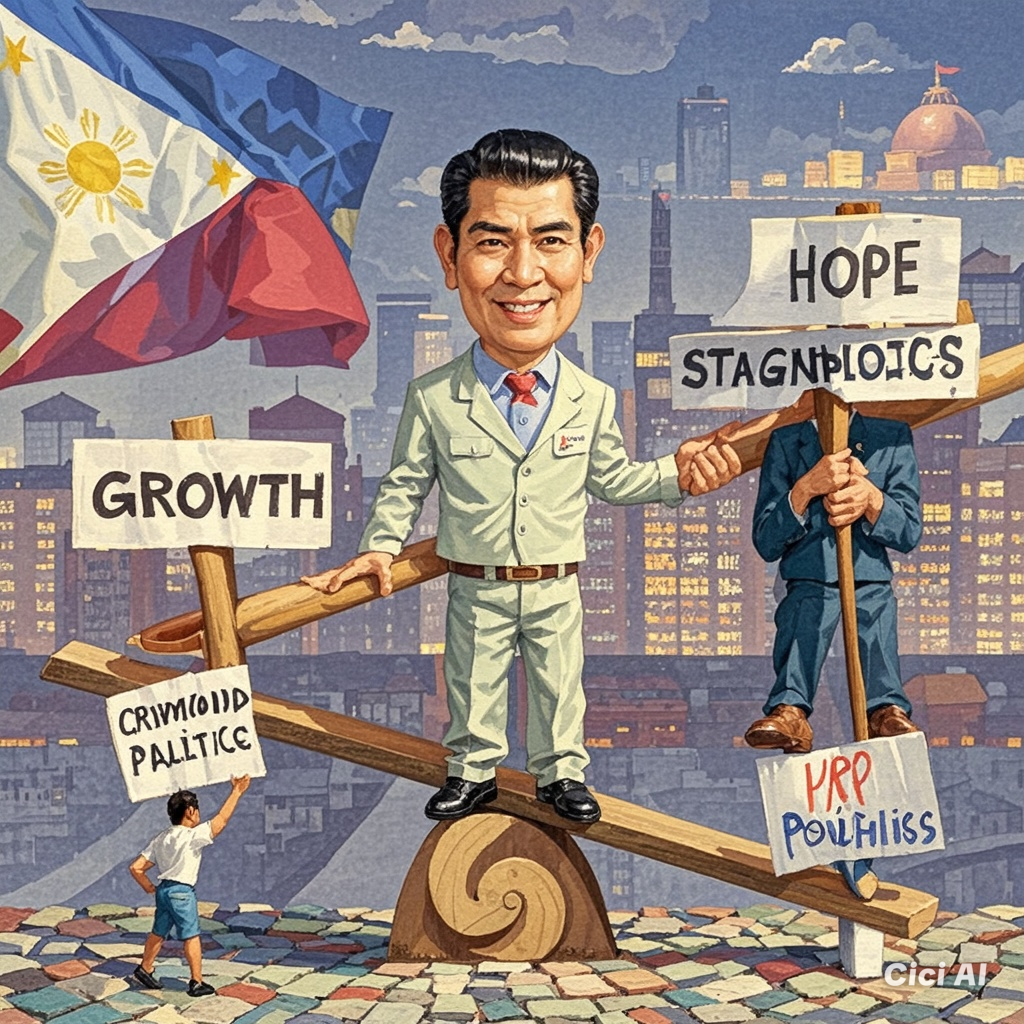
THE Philippines has always been a land of promise—blessed with rich natural resources, a strategic global position, and a people whose resilience is legendary. But for generations, that promise has been betrayed by corruption, inefficiency, and political dysfunction. How long will a nation of such potential remain shackled by its own leadership?
The Weight of History
The Philippines’ economy, once dubbed one of the fastest-growing in Asia in the 1950s, quickly lost its footing amid political upheavals, cronyism, and a cycle of boom and bust. Under Ferdinand Marcos’ dictatorship, the country saw a stark decline, with the economy faltering under the weight of corruption and foreign debt. Marcos Sr. fell, but even after his ouster in 1986, economic reforms proved uneven.
Progress seemed within reach in the early 21st century. Yet, just as growth began gaining momentum, the COVID-19 pandemic swept in, throwing millions into poverty and shuttering industries. The Philippines, with its heavy reliance on remittances and tourism, faced a brutal economic contraction. By 2020, GDP had shrunk by 9.6%, the worst in its history.
A Post-Pandemic Struggle
Enter Ferdinand “Bongbong” Marcos Jr., son of the former dictator, now charged with uplifting an economy that bore the scars of both the pandemic and decades of stagnation. His administration, in power since 2022, promised to deliver the same aspirations that his father had once dangled—economic revitalization, national pride, and prosperity. But the weight of history is heavy, and the chains of corruption remain unbroken.
The challenge has been monumental. Amidst ongoing recovery efforts, the Philippines faced structural issues that COVID only exacerbated: joblessness, a struggling healthcare system, and a society divided by wealth inequality. It’s a delicate balancing act. For every step forward—an infrastructure project or a promise to cut taxes—there are the old ghosts of corruption that pull progress two steps back.
Corruption: A Persistent Anchor
The Philippines’ struggle against corruption continues to weigh heavily on its development. In 2023, the country ranked 116 out of 180 in Transparency International’s Corruption Perceptions Index. Billions are lost yearly to graft, funds that could otherwise fuel much-needed infrastructure projects, health systems, or education reforms. Despite the administration’s efforts, scandals still surface, a troubling indicator that the system remains deeply entrenched in old habits.
What’s more, political infighting has complicated governance. Initiatives meant to boost growth get caught in a labyrinth of bureaucracy and competing political interests, delaying vital projects. Politics—more often than not—works against the people.
The Resilient Filipino Spirit
But here lies the paradox of the Philippines: despite these obstacles, Filipinos do not give up. Their indomitable spirit has powered the country through the darkest chapters of its history, from colonialism to dictatorship, and now the long recovery from the pandemic. This spirit is reflected in the latest Social Weather Stations (SWS) survey, conducted in June 2024.
The survey tells a nuanced story: 39% of Filipinos said their quality of life had improved over the past year. This represents a significant 10-point increase from the March 2024 survey. Yet, 23% of respondents still report a decline in their quality of life, and 37% remain stagnant. The SWS survey paints a picture of a society in transition, with hopes rising but the weight of history still palpable.
A Divided Picture
While Metro Manila and Luzon posted higher net gainer scores, Visayas and Mindanao still lag behind. The poor continue to struggle, with only modest gains compared to wealthier Filipinos. Those who consider themselves “Not Poor” had an impressive net gainers score of +26, while the poor managed a modest +9. The divisions are clear—those with resources and opportunities recover faster; those left behind may continue to struggle.
The specter of hunger remains particularly concerning. While families that did not experience hunger posted a “very high” score of +18, those facing severe hunger remain in “mediocre” territory, a stark reminder of the disparities that remain. Economic progress in the Philippines is not uniform—it’s a patchwork of successes and failures, with hunger and poverty still casting long shadows over any signs of recovery.
Political Implications: Eyes on 2025 and 2028
With the 2025 midterm elections on the horizon, the survey results will surely influence the political landscape. For the Marcos administration, the 10-point improvement from the previous survey offers a ray of hope. It’s an indicator that their economic policies, while uneven, are beginning to show some effect. Yet, with 23% of the population still feeling worse off, they cannot afford complacency.
The opposition, meanwhile, sees an opening. If they can tap into the frustrations of the 23%, particularly those in the regions and among the poor, they might gain momentum heading into the midterms and, eventually, the 2028 presidential race. For both sides, the stakes are high. The Philippines is at a crossroads: either the country solidifies its fragile recovery, or it slips back into the cycles of stagnation and political turmoil.
Challenges Ahead
Despite signs of progress, the road ahead is fraught with challenges. Corruption continues to undermine development efforts, creating inefficiencies in public spending and discouraging foreign investment. Political infighting remains a barrier to coherent policy-making, with factions prioritizing their interests over national welfare. The country’s heavy reliance on foreign remittances leaves it vulnerable to external economic shocks, and climate change looms large, threatening the livelihoods of millions of Filipinos dependent on agriculture.
Recommendations
To maintain its upward trajectory, the Philippines needs to prioritize a few key reforms. First, tackling corruption is paramount. Marcos Jr. must move beyond promises and ensure that anti-corruption measures have teeth, holding accountable those who misuse public funds. Second, investing in education and healthcare is crucial—without strong human capital, any economic growth will be unsustainable.
Third, the government must ensure that economic recovery is inclusive. While the wealthy and middle classes are bouncing back, the poor and hungry are being left behind. Rural development, particularly in Mindanao and the Visayas, must become a national priority. Lastly, the government must foster political cooperation, finding ways to bridge the deep divides in Congress that stifle progress.
The Philippine Question: Hope or Despair?
As we look toward the 2025 midterms and beyond, the question remains: will the Marcos administration manage to overcome the barriers that have long held the Philippines back? Or will the forces of corruption, inequality, and political dysfunction once again derail the country’s march toward progress?
Only time will tell. History has never been kind to the Philippines, yet its people remain unbroken. Through corruption, crises, and missed opportunities, one truth stands firm: Filipinos will keep rising. They will fight, they will hope, and in the end, they will shape their future—not despite history, but because of it.

- Andres Heralds DoJ’s Transformative Justice

- Sailing to New Horizons: PEZA Sets Ambitious PHP250-B Approval Target for 2024

- Panga’s Bold Vision: The Paradigm Shift of Iwahig Mega Economic Zone

- Panga’s Pragmatic Approach to Sino-Philippine Investments

- The Shadow Over Manila

- Shadow of the Red Notice: Remulla hunts down Teves

- Frozen Enigma: NBI Bacolod’s Tussle with Darkness

- Quiboloy’s Supreme Court Shenanigans: A Pathetic Attempt to Dodge Justice

- RP’s cunundrum: A pawn in the SCS geopolitical chessboard

- Macapagal Leads: Navigating Relocation Challenges


 KWEBA ni BAROK
Leave a comment