By Louis ‘Barok‘ C. Biraogo — September 22, 2924
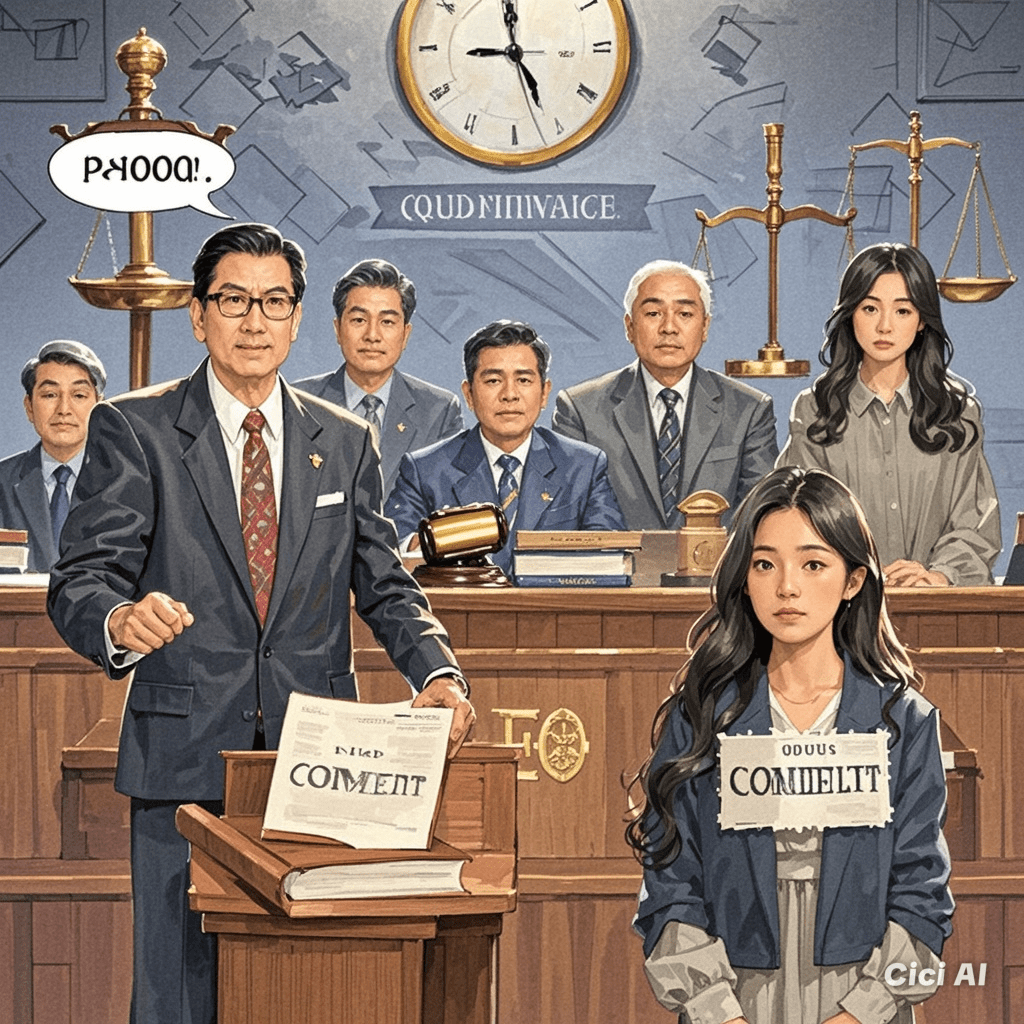
A SHOWDOWN over constitutional principles has erupted between Ferdinand Topacio and the Philippine Congress, with his client, Katherine Cassandra Ong, caught in the crossfire. The dispute centers on a question that strikes at the core of the rule of law: can Congress wield its contempt powers unchecked? Ong’s involvement in the ongoing POGO hub investigation has set the stage for a legal battle with far-reaching consequences. As Topacio accuses lawmakers of overreach and violating basic rights, the outcome of this case could redefine the boundaries of legislative authority in the Philippines.
Cassandra Ong: A Web of Legal Trouble
Katherine Cassandra Ong, with a majority stake in Whirlwind Corporation, has been under intense scrutiny due to her company’s involvement in leasing land to Lucky South 99, a POGO hub in Porac, Pampanga. POGO hubs have long been controversial due to concerns over illegal activities, including money laundering, human trafficking, and unregulated gambling operations. Ong’s educational background became a contentious issue in hearings when she reportedly failed to provide satisfactory responses, resulting in multiple contempt citations. Her refusal to directly address lawmakers’ questions and the suspicion surrounding Whirlwind’s operations have made her a focal point in the investigation, pushing her further into the legal spotlight.
Ferdinand Topacio: The Law and the Man
Topacio, a well-known lawyer in the Philippines, is no stranger to high-profile, controversial cases. His reputation for representing clients involved in politically charged matters, including those accused of corruption, has earned him both admiration and criticism. Known for being a fierce advocate of his clients’ rights, Topacio’s legal strategy in this case aligns with his broader practice of questioning the application of legal procedures and protections. He has successfully leveraged jurisprudence to argue that the quad-committee’s actions against Ong, particularly the use of contempt powers, are unconstitutional and violate her due process rights.
In defending Ong, Topacio cites the 2023 Supreme Court decision in the case of Lincoln Ong vs. Senate Blue Ribbon Committee, where the Court held that due process must be observed before resource persons in congressional hearings can be cited for contempt. Topacio asserts that the quad-committee violated this precedent by failing to allow Ong the opportunity to explain herself before issuing a contempt citation.
Ong’s POGO Ties: The Quad-Committee’s Probe
The quad-committee’s investigation into Ong and Whirlwind Corporation focuses on alleged illegal activities linked to POGOs, with lawmakers particularly interested in her relationship with Duanren Wu, a former Chinese police officer, and her godfather, who is suspected of having a significant influence on Whirlwind’s operations. Ong’s role in these dealings, combined with her reluctance to answer direct questions, has prompted lawmakers to invoke contempt powers, citing a need for truthful testimony to advance their inquiry into POGO-related criminal activities.
Rep. Joseph Stephen “Caraps” Paduano, chair of the House Committee on Public Accounts, has been a central figure in issuing these contempt citations. According to Paduano and other lawmakers, Ong’s evasiveness and perceived dishonesty justify the use of contempt to compel truthful answers.
Topacio’s Plea: Upholding Due Process and Constitutional Rights
Topacio’s primary contention is that the quad-committee violated Ong’s constitutional right to due process, as outlined in Article III, Section 1 of the Philippine Constitution, which guarantees that no person shall be deprived of life, liberty, or property without due process of law. He argues that contempt powers must be exercised with caution and only after giving the individual a fair opportunity to explain or defend themselves.
Moreover, Topacio raises the issue of Ong’s right to remain silent, protected under Section 17 of the Bill of Rights, which states that no person shall be compelled to be a witness against themselves. Although this right primarily applies in criminal proceedings, Topacio extends its application to congressional inquiries, contending that Ong has the right to remain silent if her answers could incriminate her.
In Defense of the Quad-Committee
On the other hand, lawmakers argue that Ong’s refusal to provide clear answers undermines the integrity of the investigation. Rep. Dan Fernandez, who defended the contempt citations, points to Section 11 of the Rules of the Quad-Committee, which was approved by the entire House. This provision allows the committee to cite individuals for contempt if they obstruct or frustrate the legislative investigation. The Supreme Court has consistently upheld the power of Congress to issue contempt citations as part of its investigative function, provided such power is exercised in line with its legislative duties.
Fernandez’s defense is rooted in the principle that contempt powers are essential for maintaining the authority and efficacy of legislative bodies. Without the threat of contempt, witnesses could lie or refuse to cooperate, potentially derailing crucial investigations. As such, the lawmakers maintain that the quad-committee acted within its legal mandate to ensure that Ong’s testimony is truthful and relevant to the ongoing probe into POGO-related illegal activities.
Legal and Ethical Considerations
Both sides raise important legal and ethical questions about the proper use of legislative contempt powers. Jurisprudence, including the 2023 Lincoln Ong case, emphasizes the necessity of due process in contempt proceedings, while at the same time, Philippine Supreme Court rulings uphold Congress’s broad authority to investigate matters related to national interest. The conflict lies in balancing the right to due process with the need for truthful testimony in congressional hearings.
Unbiased Assessment: Who Has the Edge?
From a legal perspective, Topacio’s argument that due process was not observed in Ong’s case has merit, particularly if the quad-committee failed to allow Ong a fair chance to explain herself before issuing the contempt citation. However, the lawmakers’ argument that contempt is necessary to prevent perjury and obstruction carries weight, especially considering the importance of the investigation into POGO-related crimes.
Ultimately, the advantage may lean towards the quad-committee if they can show that their actions were in line with the approved House rules and that Ong’s evasiveness justifies their use of contempt powers. Topacio’s reliance on the right to remain silent may falter unless Ong can demonstrate that her silence is based on legitimate self-incrimination concerns.
Recommendations
- For Topacio and Ong: Seek a judicial review of the quad-committee’s contempt citations. Topacio should formally argue that the committee failed to follow due process as required by the Supreme Court ruling in Lincoln Ong and request an injunction to halt further contempt actions until the matter is resolved.
- For the Quad-Committee: Ensure strict adherence to due process standards in future hearings to avoid claims of abuse of power. Lawmakers should document every step taken to allow resource persons a fair chance to explain themselves before issuing contempt citations.
In conclusion, as the courts weigh in on this critical legal battle, the outcome will echo far beyond the courtroom walls. How they choose to balance constitutional rights with Congress’s investigative power could redefine the boundaries of justice in the Philippines. The stakes are clear: both sides must tread carefully to uphold the rule of law, for the future of public accountability hangs in the balance.

- ₱75 Million Heist: Cops Gone Full Bandit
- ₱6.7-Trillion Temptation: The Great Pork Zombie Revival and the “Collegial” Vote-Buying Circus
- ₱1.9 Billion for 382 Units and a Rooftop Pool: Poverty Solved, Next Problem Please
- ₱1.35 Trillion for Education: Bigger Budget, Same Old Thieves’ Banquet
- ₱1 Billion Congressional Seat? Sorry, Sold Out Na Raw — Si Bello Raw Ang Hindi Bumili
- “We Will Take Care of It”: Bersamin’s P52-Billion Love Letter to Corruption
- “Skewed Narrative”? More Like Skewered Taxpayers!
- “Scared to Sign Vouchers” Is Now Official GDP Policy – Welcome to the Philippines’ Permanent Paralysis Economy
- “Robbed by Restitution?” Curlee Discaya’s Tears Over Returning What He Never Earned
- “My Brother the President Is a Junkie”: A Marcos Family Reunion Special



 KWEBA ni BAROK
Leave a comment