By Louis ‘Barok’ C Biraogo — September 24, 2024
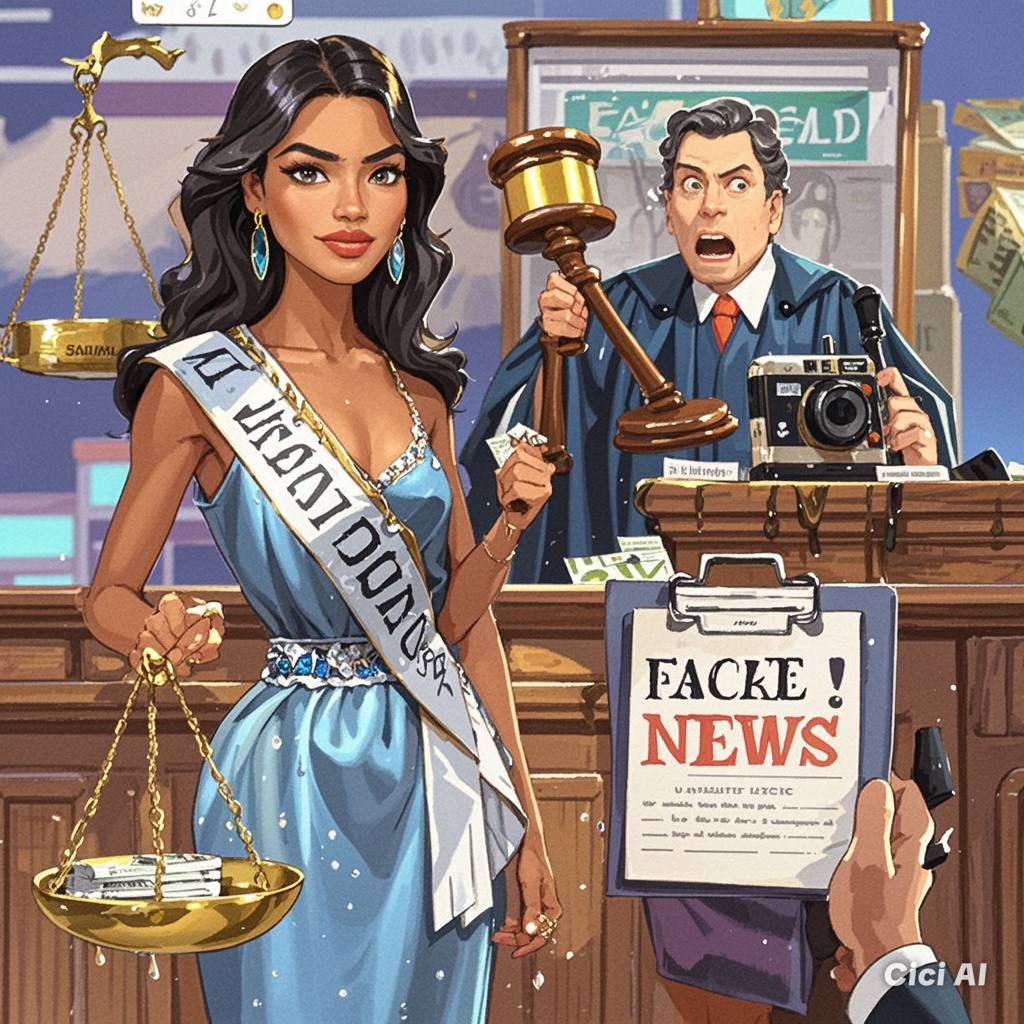
CATRIONA Gray may have dazzled the world with her Miss Universe crown, but beneath the glitz and glamor lies the darker reality of fame’s scrutiny. In 2020, Gray was thrust into the ugly side of the spotlight when a doctored topless photo spread across the internet like wildfire. Her swift legal retaliation wasn’t just a move to reclaim her dignity—it was a stand against the toxic culture of tabloid sensationalism that so often destroys lives. Gray’s fight reminds us that in a world addicted to scandal, truth is often the first casualty.
Unethical Sensationalism in Tabloids
Tabloid journalism often prioritizes sensationalism and sales over factual accuracy. Publications may publish scandalous headlines to attract clicks and views, neglecting their responsibility to verify information. In Gray’s case, Bulgar chose to report on a fake image without adequate substantiation, demonstrating a blatant disregard for the ethical standards expected in journalism. This behavior is symptomatic of a broader issue within the media landscape, where the allure of sensational stories often overshadows journalistic integrity.
Legal Analysis of the Court’s Decision
On September 21, 2024, Gray achieved a significant legal victory, as the court found Janice Navida and Melba Llanera guilty of libel under Article 355 of the Revised Penal Code. Notably, Navida was also convicted of cyber libel. This ruling underscores the importance of protecting individuals from false representations that can harm their reputation.
Ethical Standards and Legal Precedents
The Philippines has established ethical standards for journalism, including the principles of truthfulness and integrity outlined in the Code of Ethics for Filipino Journalists. These standards emphasize the necessity of verifying information before publication. The ruling in Gray’s case is consistent with past Supreme Court precedents that affirm the right to seek redress against defamation and libelous statements. For instance, in Rivas v. Court of Appeals, the court highlighted that media outlets have a duty to exercise due diligence in reporting to avoid infringing on individuals’ rights.
The Defense Strategies: Possible Defenses and Appeal Arguments
As Navida and Llanera consider an appeal, several arguments could be raised in their defense. They may assert that their actions fell under the protection of journalistic privilege, arguing that they acted in the public interest by reporting on the circulation of a controversial image. The Philippine legal framework allows for defenses based on the truth of statements or the absence of malice in reporting. This aligns with Article 354 of the Revised Penal Code, which allows for truth as a defense against libel if proven.
The Appeal’s Viability: Will It Succeed?
However, the strength of their appeal may be undermined by the court’s finding of “guilt beyond reasonable doubt.” The specificity of Gray’s allegations and the court’s determination of malice or negligence in reporting could pose significant hurdles for the defendants. Moreover, previous Supreme Court rulings have consistently emphasized the need for responsible reporting, suggesting that the court’s focus on ethical journalism will weigh heavily against a successful appeal.
Potential Punishments for the Accused
The convictions carry serious implications, including imprisonment, as stipulated under Article 355 of the Revised Penal Code. While the exact length of the sentence has not been disclosed, the consequences of a libel conviction can be severe, impacting the defendants’ careers and public standing. The Supreme Court has upheld stringent penalties for libel, reflecting the gravity of harming an individual’s reputation.
Recommendations
For Catriona Gray, it is crucial to continue advocating for ethical standards in media reporting. Her case sets a precedent that reinforces the importance of holding media accountable for their actions. She should consider further public awareness campaigns about digital misinformation, given her platform and influence.
For Navida and Llanera, a reevaluation of their editorial practices is imperative. Engaging in comprehensive media training focused on ethics and responsible reporting could help mitigate future legal challenges. Should they appeal, a thorough examination of the factual basis of their original reporting would be critical in crafting a compelling defense.
Conclusion
Catriona Gray’s triumph in this legal battle is more than just a personal victory—it’s a rallying cry for those who demand accountability in media. Her case sets a precedent, reminding us that in the age of viral misinformation, the truth still matters. As the courts continue to weigh the delicate balance between free speech and personal dignity, this case will stand as a testament to the power of individuals to push back against a media culture that too often prizes sensation over substance.

- Andres Heralds DoJ’s Transformative Justice

- Sailing to New Horizons: PEZA Sets Ambitious PHP250-B Approval Target for 2024

- Panga’s Bold Vision: The Paradigm Shift of Iwahig Mega Economic Zone

- Panga’s Pragmatic Approach to Sino-Philippine Investments

- The Shadow Over Manila

- Shadow of the Red Notice: Remulla hunts down Teves

- Frozen Enigma: NBI Bacolod’s Tussle with Darkness

- Quiboloy’s Supreme Court Shenanigans: A Pathetic Attempt to Dodge Justice

- RP’s cunundrum: A pawn in the SCS geopolitical chessboard

- Macapagal Leads: Navigating Relocation Challenges








 KWEBA ni BAROK
Leave a comment