By Louis ‘Barok‘ C. Biraogo — September 27, 2024
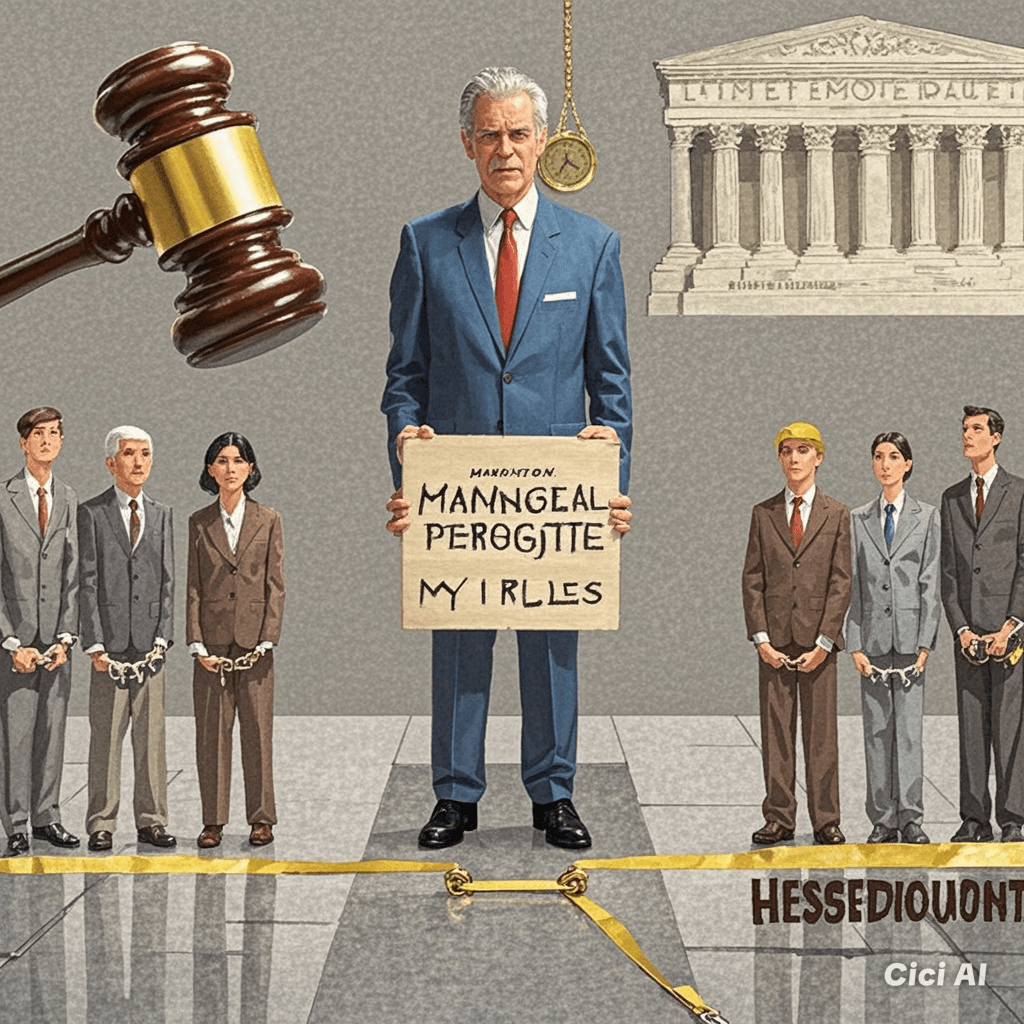
COULD your resignation actually be a firing in disguise? That’s what the Supreme Court just revealed in a groundbreaking decision that redefines constructive dismissal in the Philippines. This ruling not only protects employees from manipulative tactics but also puts employers on notice: cross the line, and you’re liable. Here’s a deep dive into how this decision reshapes workplace dynamics and what it means for every employee and manager out there.
Contextual Background
The Employee’s Situation
The employee in question, a car salesman employed since 2010, faced a series of actions by his employer that led to his resignation in 2016. His troubles began in 2015 when he was suspended for frequent absences. However, things escalated when he attended a meeting accompanied by his siblings, who acted as his legal counsel. During the meeting, the company’s president publicly humiliated him, an act that set the tone for further hostile treatment.
Subsequently, the employee was transferred to another team, and many of his client accounts were removed without explanation. His new superior even questioned his intent to resign, further reinforcing a sense of unwelcome within the company. The cumulative effect of these actions made it impossible for the employee to continue working, prompting him to resign and later file a complaint with the Labor Arbiter.
The Rulings of the Arbiter and the Court of Appeals
The Labor Arbiter ruled in the employee’s favor, recognizing the employer’s actions as constructive dismissal—a form of illegal dismissal where an employee is compelled to resign due to intolerable working conditions. However, the Court of Appeals reversed this decision, siding with the employer and ruling that the resignation was voluntary. This prompted the employee to elevate the case to the Supreme Court, where the arbiter’s ruling was eventually reinstated, confirming that the resignation was forced and therefore constituted constructive dismissal.
Employers’ Efforts to Circumvent the Law
The case underscores a recurring issue where employers engage in subtle yet coercive practices to force employees into resignation rather than explicitly terminating them. This allows companies to evade financial liabilities associated with illegal dismissal, such as back wages, separation pay, and damages. In many instances, employers resort to tactics like demotion, arbitrary transfers, unjustified removal of responsibilities, and creating hostile work environments to achieve this outcome.
The Supreme Court’s Ruling
The SC’s decision affirmed that demotion, verbal abuse, and indifferent behavior can indeed constitute constructive dismissal if they create unbearable working conditions for the employee. In this particular case, the Court ruled that the employer’s disdainful and hostile actions effectively forced the employee to resign, making his continued employment impossible. The Supreme Court ordered the company’s president and managers to pay the employee back wages, separation pay, commissions, moral and exemplary damages, and attorney’s fees, with a legal interest rate of 6% per annum until the decision’s finality.
Legal Foundations and Precedents
The SC’s decision is firmly grounded in both Philippine labor law and Supreme Court precedents. The principle of constructive dismissal is codified under Article 294 of the Labor Code, which states that an employee cannot be dismissed except for just or authorized causes. The SC has consistently ruled that resignations brought about by duress, coercion, or other forms of employer-induced distress do not constitute valid resignations but illegal dismissals.
In Globe Telecom, Inc. v. Florendo, the SC similarly held that transferring an employee to a lower position without justifiable reason or in bad faith constituted constructive dismissal. Likewise, in Blue Dairy Corporation v. NLRC, the Court ruled that when an employer’s actions intentionally make the employee’s continued employment unbearable, the employee’s resignation is tantamount to illegal dismissal.
Provisions of Philippine Ethical Standards
The Code of Ethical Standards in the Philippine labor framework emphasizes fairness, respect, and dignity in the treatment of employees. The employer’s actions in this case—public humiliation, removal of key responsibilities, and transferring the employee to a different team without explanation—violated these principles, undermining the employee’s right to a conducive and respectful working environment. Moreover, the employer’s conduct ran afoul of the principle of Good Faith under labor law, which obligates employers to act in a manner consistent with fairness and justice in managing employees.
Arguments from the Employer’s Side
From the employer’s perspective, the argument likely hinged on the assertion that the resignation was voluntary. They might argue that the employee had a documented history of absences, which led to his suspension, and that any further actions were routine administrative decisions rather than acts of hostility. Employers may also contend that transfers and the removal of accounts are within managerial prerogative, as long as they are not discriminatory or abusive. Additionally, the company might argue that the employee had legal recourse to address his grievances but chose to resign voluntarily instead.
However, the Supreme Court decisively dismissed these arguments, ruling that while managerial prerogative exists, it is not absolute. The Court emphasized that decisions based on malice or bad faith, aimed at creating intolerable working conditions, go beyond the bounds of legitimate managerial discretion and constitute constructive dismissal.
Implications for Employees and Employers
This ruling carries significant implications for both employees and employers:
- For Employees: The decision reinforces that employees have a right to a dignified work environment. If they feel forced to resign due to the hostile or discriminatory actions of their employer, they can seek redress through legal channels. The ruling underscores the importance of documenting instances of abuse, as these details form the basis of constructive dismissal cases.
- For Employers: The decision serves as a stark reminder to employers that actions designed to force resignations can lead to severe financial liabilities, including back wages, damages, and legal fees. Employers must ensure that their managerial prerogatives are exercised in good faith and with respect for the rights of their employees.
Recommendations
For Employees:
- Document everything: Employees who experience hostility at work should maintain detailed records of interactions, particularly any actions or remarks that suggest their resignation is being forced.
- Consult legal counsel early: If signs of constructive dismissal arise, it is wise to consult with a lawyer to explore options and strengthen one’s position should the case reach arbitration.
For Employers:
- Exercise good faith: Managerial decisions, such as demotions or transfers, must be based on justifiable reasons and should be clearly communicated to the affected employee.
- Avoid coercion: Employers must refrain from creating conditions that indirectly pressure employees into resigning. Transparent communication, clear policies, and respect for employee rights should guide all decisions.
In conclusion, the SC’s decision is more than just a ruling—it’s a warning. Employers who cloak coercion as ‘management’ will face harsh penalties, and employees now have stronger protection against toxic work cultures. This case isn’t just about legal precedent; it’s a call to uphold fairness in every workplace. Employers beware: the cost of crossing the line just got higher.
- “Forthwith” to Farce: How the Senate is Killing Impeachment—And Why Enrile’s Right (Even If You Can’t Trust Him)

- “HINDI AKO NAG-RESIGN!”

- “I’m calling you from my new Globe SIM. Send load!”

- “Mahiya Naman Kayo!” Marcos’ Anti-Corruption Vow Faces a Flood of Doubt

- “Meow, I’m calling you from my new Globe SIM!”

- “No Special Jail for Crooks!” Boying Remulla Slams VIP Perks for Flood Scammers

- “PLUNDER IS OVERRATED”? TRY AGAIN — IT’S A CALCULATED KILL SHOT

- “Several Lifetimes,” Said Fajardo — Translation: “I’m Not Spending Even One More Day on This Circus”

- “Shimenet”: The Term That Broke the Internet and the Budget

- “We Did Not Yield”: Marcos’s Stand and the Soul of Filipino Sovereignty





 KWEBA ni BAROK
Leave a comment