By Louis ‘Barok‘ C. Biraogo — October 7, 2024
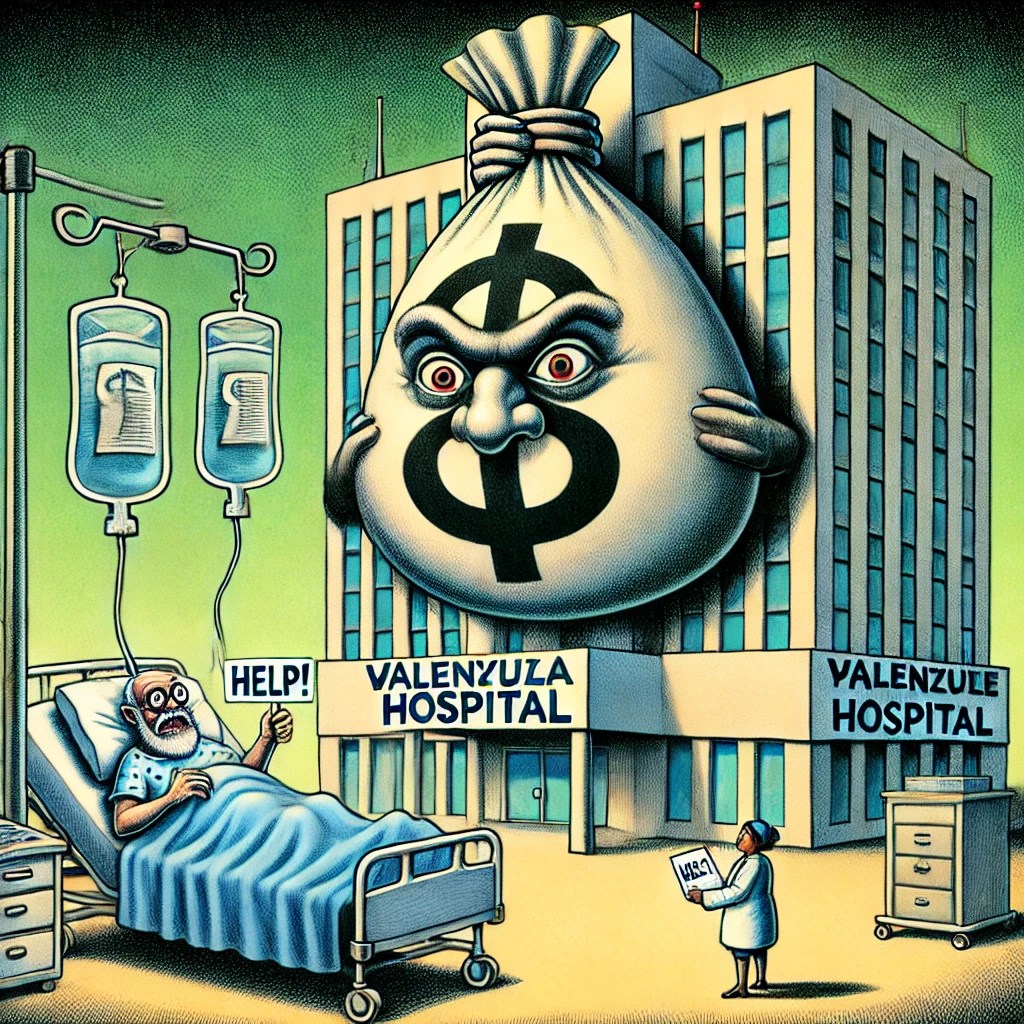
IN VALENZUELA, two women—Nerizza Zafra and Cheryluvic Ignacio—became the latest victims of a healthcare system that values profit over people. Their stories echo the cries of countless Filipinos, left to fend for themselves in an underfunded and corrupt system, where private hospitals prioritize their bottom line. The case of Allied Care Experts Medical Center (ACEMC) Valenzuela reveals not just another scandal but a fundamental betrayal of the country’s most vulnerable citizens.
Profit Over Patients: The Healthcare System in Crisis
Philippine hospitals, particularly private institutions, often operate as businesses first and healthcare providers second. Profit is the prime motivator, a reality that compromises ethical standards and the well-being of patients. While public hospitals struggle with a lack of funding and severe overcrowding, private hospitals have become the exclusive refuge for those with deep pockets, leaving the poor with limited, subpar options. This gap in healthcare access only worsens the suffering of marginalized populations, especially in emergencies or life-threatening situations.
The lack of adequate healthcare infrastructure—particularly the shortage of doctors and hospitals—compounds this issue. In many regions, residents must travel long distances to access medical care, only to be greeted by hospitals that refuse to admit them or withhold necessary documents over unpaid fees. The ACEMC Valenzuela case is emblematic of this broader neglect.
The Case of Nerizza Zafra: Denied the Right to a Birth Certificate
In Nerizza Zafra’s case, ACEMC Valenzuela’s refusal to register the birth of her daughter due to unpaid medical fees is a blatant violation of both Philippine laws and the moral duties hospitals owe their patients. DOH Department Circular 2020-0120 and Administrative Order 2012-0012 explicitly state that hospitals must register births regardless of a family’s financial situation. The failure to comply with these regulations effectively denied Zafra’s child a legal identity—a critical human rights violation with long-term consequences for the child’s access to basic services.
From an ethical standpoint, withholding a birth certificate is indefensible. Hospitals are entrusted with the responsibility of ensuring that newborns receive the documentation they are entitled to by law. The case against ACEMC is airtight on procedural, legal, and moral grounds. The hospital prioritized profits over compliance with the law, stripping Zafra and her child of their fundamental rights.
The Case of Cheryluvic Ignacio: Misrepresentation and Deception
Cheryluvic Ignacio’s experience further exposes ACEMC’s disregard for patient welfare. By misrepresenting a room with two beds but no partition as a private room, the hospital violated DOH guidelines (Department Memorandum 2020-0178), which mandate transparency in the allocation of hospital facilities, particularly during the COVID-19 pandemic. The misrepresentation not only overcharged Ignacio but also endangered her health by failing to provide the promised isolation necessary for COVID-19 treatment.
ACEMC’s refusal to grant Ignacio a promissory note—a standard recourse for patients who cannot immediately settle their bills—compounds their unethical practices. This refusal not only violated DOH standards but also disregarded the basic principle of hospital care, which is to ensure the well-being of patients above all else.
The Hospital’s Side
The hospital might argue that its actions were in accordance with financial policies necessary for its survival. Private hospitals, they could claim, operate under severe financial pressures, needing to ensure that unpaid bills do not destabilize their operations. Moreover, the hospital may argue that the Anti-Hospital Detention Law (Republic Act No. 9439) was not directly applicable in these cases, as the patients were not being detained but rather facing administrative processes related to their unpaid balances.
However, these arguments fall apart when scrutinized under the lens of existing legal and ethical frameworks. First, financial difficulties do not absolve hospitals from adhering to legal and regulatory standards set by the Department of Health. Second, while RA 9439 may not have been the direct basis for the DOH’s findings, the broader principles it embodies—ensuring that patients are not unduly penalized for their inability to pay—should guide hospital policies.
Legal and Ethical Violations by ACEMC
ACEMC’s practices violated multiple laws, regulations, and ethical principles. The DOH Department Circulars and Administrative Orders that the hospital flouted are binding. Additionally, the hospital’s actions contradict the spirit of RA 9439, which, while technically not violated, highlights the ethical obligation of healthcare providers to prioritize patient care over profit. In previous Supreme Court rulings, such as in Mariano v. Healthserve, the Court emphasized that hospitals, as providers of essential services, must adhere to stricter ethical standards, especially in situations where patients are financially disadvantaged.
A Call for Legal Accountability
Given these clear violations, both criminal and civil cases should be pursued against ACEMC Valenzuela. The hospital’s refusal to register a birth certificate, its misrepresentation of facilities, and its refusal to grant a promissory note constitute breaches of Philippine laws that protect patient rights. The provisions of RA 9439, though not directly cited by the DOH in its administrative review, may form the basis for future civil claims by affected patients. Furthermore, the Philippine Supreme Court has previously upheld the primacy of patient rights over hospital profit-making interests in cases involving financial disputes between patients and healthcare providers.
Recommendations for Systemic Change
The Valenzuela case underscores the need for systemic reform. Hospitals must be held accountable not only by administrative bodies but also through stricter enforcement of penal laws like RA 9439. I call for the following actions:
- For Patients: Be proactive in asserting your rights. Keep thorough documentation of all hospital interactions and seek legal recourse when necessary.
- For Hospitals: Implement clear, transparent billing and accommodation policies. Prioritize ethical practices over financial concerns.
- For the Department of Health: Strengthen oversight and enforcement of hospital regulations, ensuring that violators face meaningful penalties.
- For the Government: Increase funding for public hospitals to reduce reliance on the private sector and expand access to affordable healthcare.
The Philippines can no longer afford to turn a blind eye to the cracks in its healthcare system. The cost is not measured in money, but in lives—and the bill is overdue. Reform is not a choice; it is a moral obligation.

- ₱75 Million Heist: Cops Gone Full Bandit

- ₱6.7-Trillion Temptation: The Great Pork Zombie Revival and the “Collegial” Vote-Buying Circus

- ₱1.9 Billion for 382 Units and a Rooftop Pool: Poverty Solved, Next Problem Please

- ₱1.35 Trillion for Education: Bigger Budget, Same Old Thieves’ Banquet

- ₱1 Billion Congressional Seat? Sorry, Sold Out Na Raw — Si Bello Raw Ang Hindi Bumili

- “We Will Take Care of It”: Bersamin’s P52-Billion Love Letter to Corruption

- “Skewed Narrative”? More Like Skewered Taxpayers!

- “Scared to Sign Vouchers” Is Now Official GDP Policy – Welcome to the Philippines’ Permanent Paralysis Economy

- “Robbed by Restitution?” Curlee Discaya’s Tears Over Returning What He Never Earned

- “No Pressure” Luistro? The House Pork Bazaar Exposed
- “My Brother the President Is a Junkie”: A Marcos Family Reunion Special

- “Mapipilitan Akong Gawing Zero”: The Day Senator Rodante Marcoleta Confessed to Perjury on National Television and Thought We’d Clap for the Creativity





 KWEBA ni BAROK
Leave a comment