By Louis ‘Barok‘ C. Biraogo — October 30, 2024
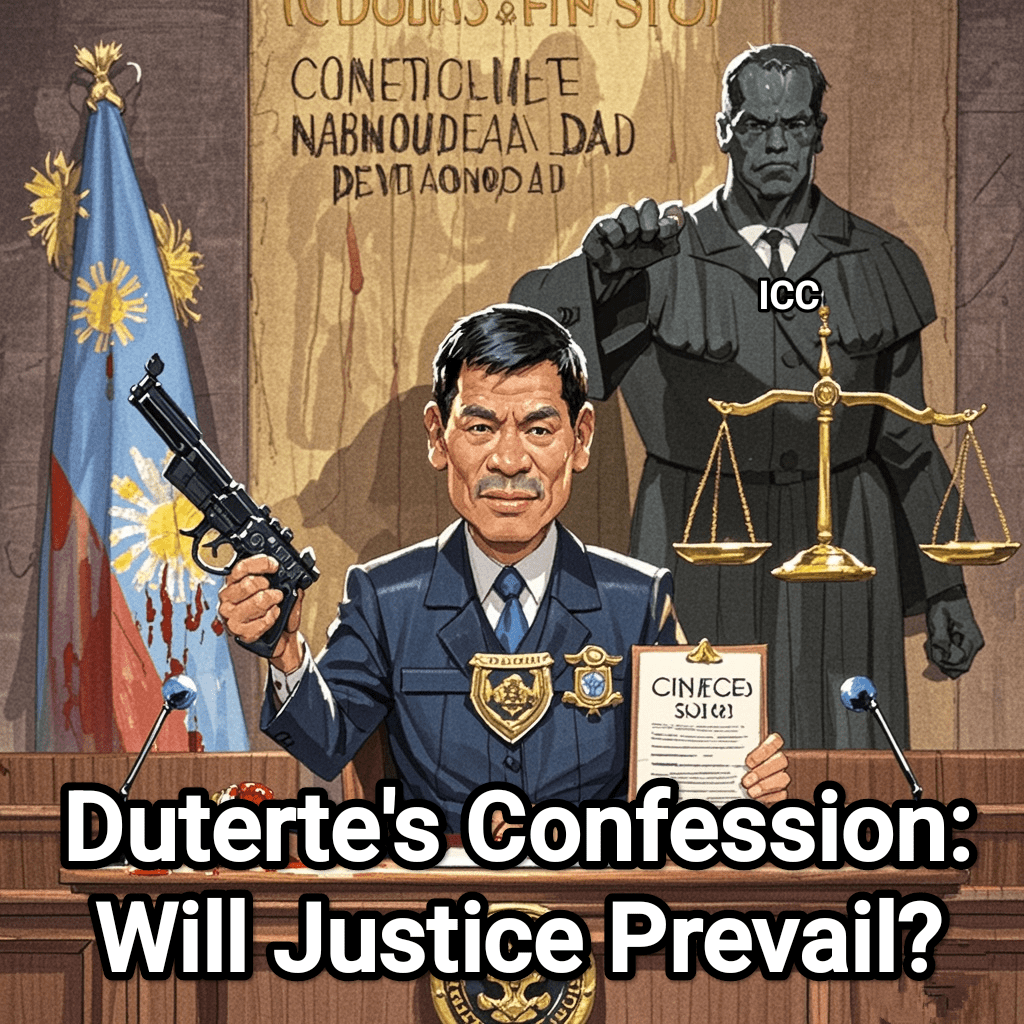
IN AN unprecedented turn during the Senate probe, former Philippine President Rodrigo Duterte made a stark revelation: he authorized a death squad in Davao City. With this confession, the stakes have risen dramatically in the ongoing debate over Duterte’s war on drugs, pushing to the forefront pressing issues of legality, state accountability, and the boundaries of international law. As the world watches, the quest for justice in the Philippines may finally confront its most challenging chapter.
The Underlying Dynamics: Understanding the Context
Under Duterte, the Philippine drug war was characterized by brutal tactics allegedly leading to numerous EJKs. Despite international outrage, Duterte consistently portrayed his policies as necessary defenses against the scourge of illegal drugs. Now, the International Criminal Court (ICC) is investigating potential crimes against humanity linked to his administration’s campaign. Duterte’s Senate testimony brings a new layer to the legal and ethical questions surrounding these actions, as he has effectively admitted to giving “kill orders” and fostering a climate where these could be executed with impunity.
Duterte’s defense has largely rested on framing these actions as lawful and morally justified in a high-stakes battle against criminality. Yet, the rule of law—and both domestic and international legal frameworks—demands a closer examination.
The Case Against Duterte: Legal Arguments Based on His Admissions
Duterte’s admissions may amount to self-incrimination under both Philippine and international law, implicating him in actions that could constitute crimes against humanity. Key provisions and precedents support this view:
- Philippine Constitution: Article III, Sections 1 and 18 guarantee the right to life and prohibit cruel, degrading, or inhuman punishment. Duterte’s encouragement of police to provoke suspects for lethal engagement, if substantiated, would breach these protections and constitute a violation of constitutional due process.
- Criminal Code of the Philippines: Article 248 defines murder as the unlawful killing of another with intent to kill, while Articles 247 and 249 address parricide and homicide, respectively. Duterte’s admissions may provide grounds for criminal liability if his “kill orders” led to intentional killings outside of legal authority.
- Supreme Court Precedents on Accountability: In landmark cases such as Oposa v. Factoran, the Supreme Court emphasized the state’s duty to protect fundamental rights. This duty applies to preventing unlawful killings, meaning Duterte’s alleged directives could be seen as gross neglect of the public trust and violation of ethical standards.
- International Law and Treaties: As a signatory to the International Covenant on Civil and Political Rights (ICCPR), the Philippines is bound to uphold the right to life and prohibit extrajudicial killings. Additionally, though the Philippines withdrew from the Rome Statute in 2019, the ICC can still investigate crimes committed during the period of Philippine membership. Duterte’s actions, if deemed systematic and widespread, meet the threshold for ICC prosecution as crimes against humanity.
- Evidence from Testimonies: Former officials such as Royina Garma and Edilberto Leonardo have corroborated the existence of a reward system for police killings. This system, if proven, could further substantiate a claim of organized efforts to eliminate suspects without due process.
Duterte’s Counterattack: Legal Arguments in His Defense
Despite these incriminating elements, Duterte has several arguments he could use in his defense:
- Claim of Lawful Self-Defense: Duterte has framed his actions as part of a legitimate, government-sanctioned anti-drug campaign. He might argue that the state’s duty to maintain public order permits more aggressive tactics. Although controversial, this line of reasoning might draw support from People v. Calo, where the Supreme Court acknowledged the need for discretion in law enforcement tactics under specific circumstances.
- Alleged Non-State Actor Involvement: Duterte’s claim that the death squad comprised civilians, not police, complicates accountability under both Philippine law and international law. If the deaths were caused by non-state actors, his involvement could be seen as indirect or even incidental—although the ICC would likely view his statements as endorsing such acts.
- Withdrawal from the Rome Statute: Duterte’s legal team could argue that the Philippines’ 2019 ICC withdrawal removes his actions from the court’s jurisdiction. However, under international law, withdrawal does not absolve a country from accountability for actions committed during its membership.
- Philippine Sovereignty Argument: Duterte has often argued that international bodies lack jurisdiction over internal affairs. This view could be supported by a strict reading of Philippine sovereignty, although it conflicts with the country’s obligations under binding international treaties.
The Legal Showdown: A Comparative Analysis of the Arguments
On balance, the legal arguments against Duterte appear stronger. His admissions, combined with evidence of systemic EJKs, indicate clear breaches of both Philippine and international law. While his sovereignty and lawful-defense claims may resonate domestically, they are unlikely to hold weight in the ICC, which focuses on universal human rights standards.
Recommendations
For the Senate: Continue robust investigations, ensuring transparency and gathering solid evidence to present for potential domestic prosecution or ICC submission.
For Duterte: Consider full cooperation with investigations, as transparency could mitigate potential penalties. Legal advisors should prepare a defense that focuses on lawful intent and control of non-state actors.
For the Department of Justice (DOJ): Prioritize a thorough review of EJK cases and collaborate with international human rights monitors to strengthen accountability mechanisms, as public trust and legal legitimacy depend on justice for victims.
For Filipinos: Support calls for justice and systemic reforms to prevent future abuses of power. Civic engagement and advocacy for human rights protection are vital to ensuring that no leader is “above the law.”
Duterte’s confession has set the stage for what may be the Philippines’ most important legal battle yet. The path to justice may be uncertain, but the demands for accountability are clear. Whether this fight unfolds in Philippine courts or on the world stage, one truth remains: justice cannot be deferred forever.

 KWEBA ni BAROK
Leave a comment