By Louis ‘Barok‘ C. Biraogo — November 7, 2024
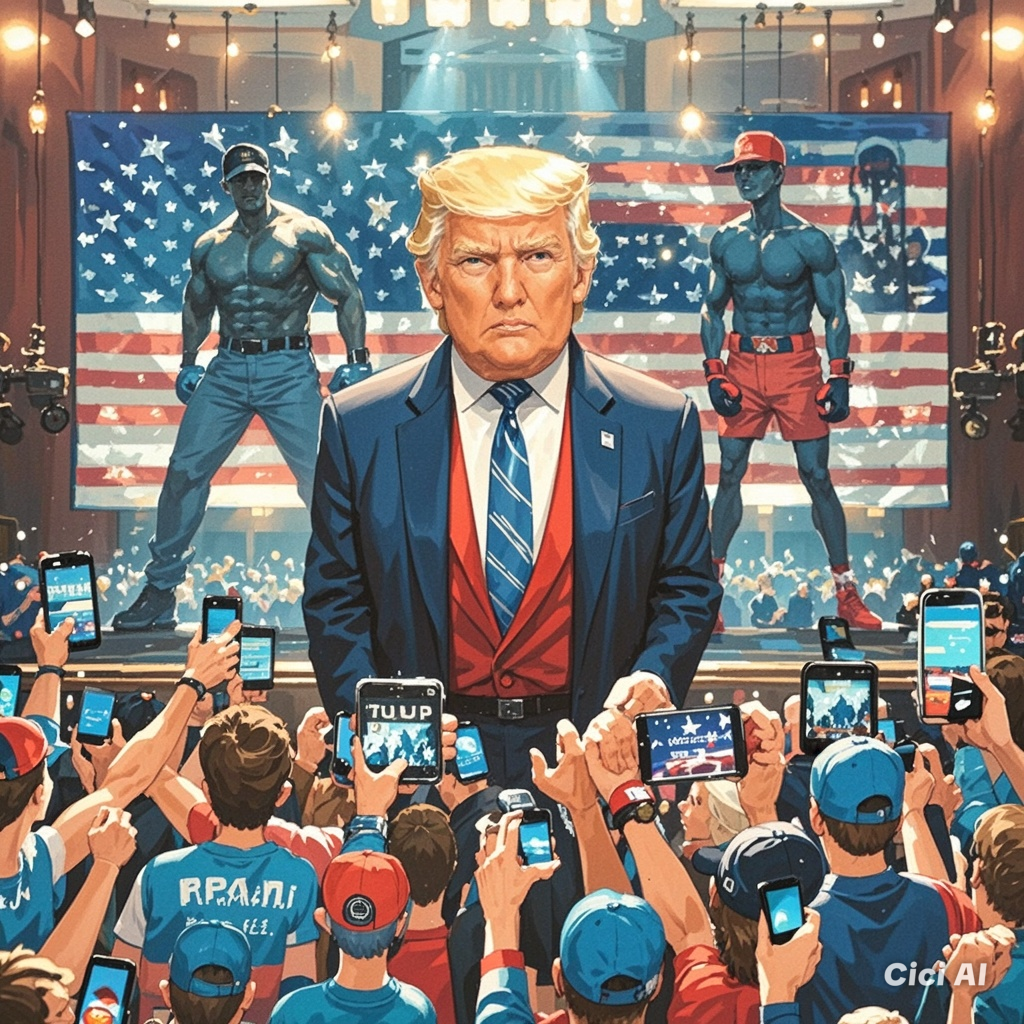
UNDER the glow of late-night spotlights, Donald Trump strode onto the Florida ballroom stage, relishing a moment he had rehearsed countless times in his mind. It was just after 2 a.m. on Nov. 6, and although official calls had yet to be made, his supporters’ triumphant cheers left little doubt: their candidate was back. Trump, absorbing the charged energy around him, declared a sweeping “mandate” from America that would carry him, once again, to the White House.
Trump’s victory wasn’t a mere fluke or a lucky alignment of political winds. It was a calculated, unconventional, and masterfully executed campaign strategy that navigated the choppy waters of polarized politics with an unerring sense of who—and how—to win. At the heart of it lay an approach that blended traditionalism with digital-savvy outreach: Trump knew that to return to the White House, he would need to recalibrate his appeal, particularly to one often-neglected group—young male voters.
Harris’s Strong Candidacy Met with a Sharper Trump Campaign
Kamala Harris entered the race as a more focused candidate than her predecessor, Joe Biden, had been in 2020. She brought with her a sense of energy and reform-minded policies that were well-received by many. Yet the Democrats’ message, no matter how aspirational, struggled to match the deliberate rawness and unconventional nature of Trump’s campaign. While Harris appealed to values like inclusivity and social progress, Trump leaned into a different reality, one that resonated deeply with a swath of American men—primarily young, disenfranchised, and seeking change in their own way.
Trump’s campaign relentlessly pursued what became its guiding mantra: “Max out the men and hold the women.” They knew the value of loyalty among men—particularly young men seeking a sense of belonging and purpose that they felt mainstream politics could not provide.
A Mantra for a Battlefield Campaign: “To Try to Be Safe Everywhere is to Be Strong Nowhere”
In an unexpected twist of political wisdom, the Trump campaign took a leaf out of Winston Churchill’s book. They opted to concentrate their energy, focusing intensely on male voters who felt ignored, misunderstood, and tired of the cultural wars that had taken over the national conversation. By choosing to zero in on this demographic, Trump’s team opted to risk in favor of reward. They crafted their campaign to boldly address issues these men cared about: economic opportunity, independence, and a return to what some saw as a fading masculine ideal.
This approach was not without controversy. Analysts derisively labeled it a “dipshit strategy” for appealing to young men who were considered low-engagement, low-propensity voters, traditionally perceived as unreliable. But Trump understood that this disaffected group was precisely the kind he needed: younger, aspirational, and increasingly conservative.
The Power of Non-Traditional Media: Reaching the Unreachable
The true brilliance of Trump’s campaign lay in its media strategy. His advisers sidestepped legacy media and went directly to the platforms where young men engaged: podcasts, live-streaming shows, and social media influencers who held a cultural sway that traditional news anchors could never hope to match. Trump joined the likes of Joe Rogan, Theo Von, and the Nelk Boys, hosting conversations on everything from video games to financial independence. His appearances reached millions, tapping into a collective frustration that resonated with men who felt marginalized by mainstream narratives.
The campaign also targeted more polarizing figures like Andrew Tate and Logan Paul—whose outsized personas appealed to the anti-establishment ethos that defined this cohort of young men. Trump’s image was carefully crafted to present a figure of traditional masculinity, self-assured and assertive, whose message championed economic opportunity and strength.
Tailored Messaging for the Disaffected
Trump’s team, recognizing the emerging conservative lean among young men, framed their message around economic empowerment and resilience. With endorsements from athletes like Brett Favre and Jake Paul, Trump’s team aligned his campaign with the values that many young men aspired to—strength, perseverance, and grit. In these influencers, they found men who resonated with their frustrations and ambitions, giving Trump a conduit to an audience that traditionally shied away from the polls.
Their messaging not only embraced masculinity but highlighted Trump’s economic policies as pathways to real opportunity. In a time when many young men feel caught between skyrocketing costs and limited prospects, Trump’s promise of economic growth and self-determination was deeply appealing.
“Max Out the Men and Hold the Women”
The numbers speak for themselves. Exit polls showed Trump winning significant portions of Latino men and non-college-educated men in states like Pennsylvania and Georgia, which had been elusive four years earlier. His campaign didn’t shy away from cultural grievances, either, aligning their messaging with the rising frustration around “woke” culture and political correctness. Trump’s platform became not just a political campaign but a call to reclaim space—an invitation for young men to embrace and channel their frustrations into an ideology that promised agency and strength.
By directing their resources into young male voters, Trump’s campaign effectively redefined the modern political campaign, demonstrating that even low-propensity voters, if galvanized correctly, could be decisive. It was a strategy rooted in boldness, one that dared to ignore conventional wisdom and put trust in the loyalty and raw energy of a demographic often left on the sidelines.
The Final Word: A Win Written in Unconventional Ink
Donald Trump’s path to victory in 2024 will no doubt be dissected, analyzed, and taught in political science courses for decades to come. His win is a testament to the strength of an unorthodox approach, a reminder that sometimes, the most successful path forward is the one least expected. By daring to court a disenchanted demographic with relentless precision, Trump crafted a modern playbook, one where rallying young men became the cornerstone of a remarkable, polarizing, and unforgettable campaign.
Donald Trump’s improbable return to the Oval Office isn’t just a victory—it’s a seismic shift in the American political landscape. Guided by risk, cultural insight, and an unbreakable self-belief, he has left a mark that will redefine how America sees its leaders for years to come.

- “Forthwith” to Farce: How the Senate is Killing Impeachment—And Why Enrile’s Right (Even If You Can’t Trust Him)
- “HINDI AKO NAG-RESIGN!”

- “I’m calling you from my new Globe SIM. Send load!”

- “Mahiya Naman Kayo!” Marcos’ Anti-Corruption Vow Faces a Flood of Doubt

- “Meow, I’m calling you from my new Globe SIM!”

- “No Special Jail for Crooks!” Boying Remulla Slams VIP Perks for Flood Scammers

- “PLUNDER IS OVERRATED”? TRY AGAIN — IT’S A CALCULATED KILL SHOT

- “Several Lifetimes,” Said Fajardo — Translation: “I’m Not Spending Even One More Day on This Circus”

- “Shimenet”: The Term That Broke the Internet and the Budget

- “We Did Not Yield”: Marcos’s Stand and the Soul of Filipino Sovereignty

- “We Gather Light to Scatter”: A Tribute to Edgardo Bautista Espiritu

- $150M for Kaufman to Spin a Sinking Narrative


 KWEBA ni BAROK
Leave a comment