By Louis ‘Barok‘ C. Biraogo — November 17, 2024
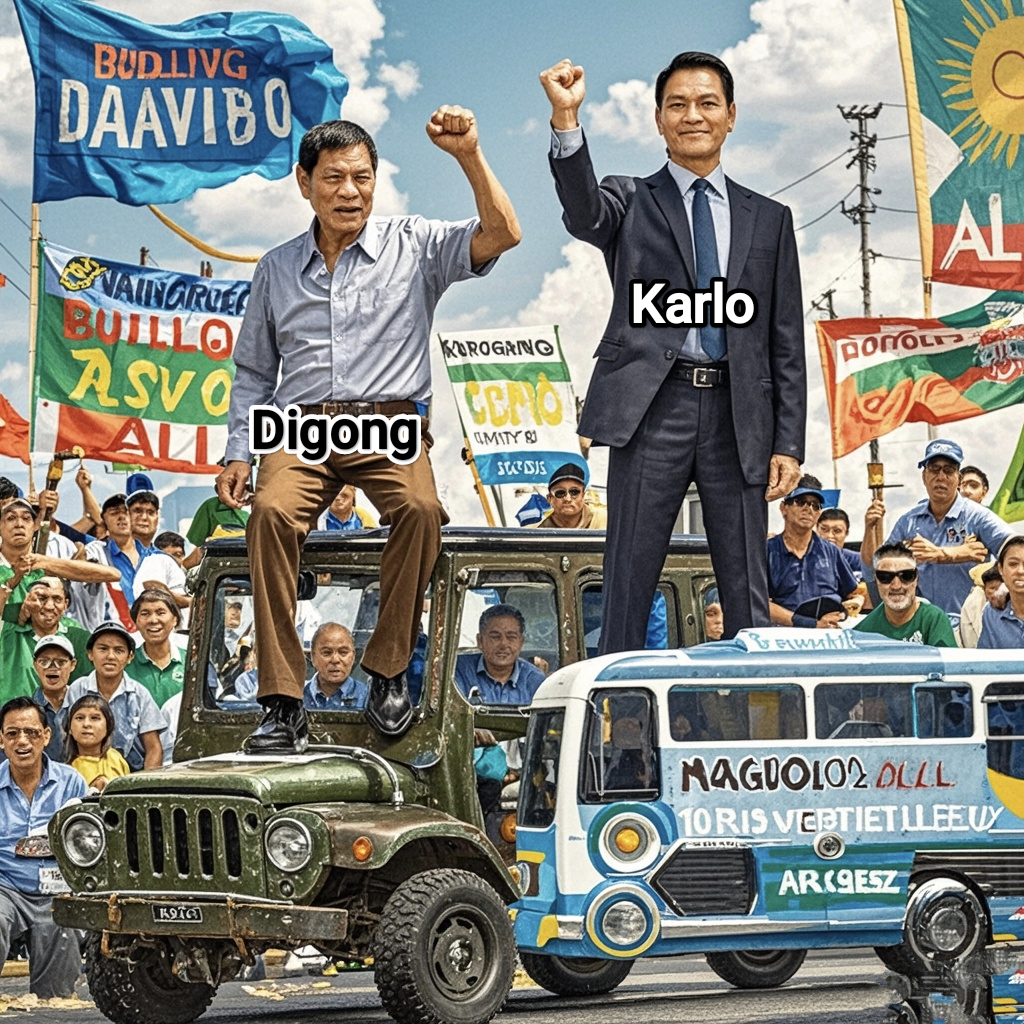
THE streets of Davao City buzz with anticipation as the 2025 mayoral race ignites a clash of titans: Karlo Alexie Nograles, a rising reformist, versus Rodrigo Duterte, the city’s enduring political monarch. In this duel of legacies, the stakes couldn’t be higher—will Davao’s voters cling to the familiar or gamble on change?
A Rivalry Etched in History
The Duterte-Nograles rivalry dates back decades, rooted in contrasting political philosophies and a quest for supremacy in Davao. While the Dutertes forged an unyielding image of law and order, the Nograles family championed a softer, reformist approach, appealing to those disenchanted with the iron fist. Despite their efforts, the Nograleses have often played the role of underdog, withstanding relentless political maneuvers by the Duterte camp, including proxy battles and tightly contested elections.
Now, Karlo Nograles seeks to redefine this narrative. His campaign positions him as a visionary, a breath of fresh air against the formidable shadow of Duterte’s legacy. The SunStar Davao survey, in which Nograles leads by 600 votes, signals an appetite for change, albeit one that is far from definitive.
Dominance Redefined: Duterte’s Electoral Empire
Rodrigo Duterte’s grip on Davao City politics is nothing short of legendary. Since his first mayoral victory in 1988, he and his family have shaped the city’s trajectory with an unrelenting focus on peace and order. For many Dabawenyos, the Dutertes symbolize stability and development, a narrative reinforced by tangible improvements in public safety and infrastructure.
But even titans are not immune to vulnerability. Age, controversies surrounding extrajudicial killings, and investigations into Vice President Sara Duterte’s confidential funds have cast a shadow over the family’s political invincibility. These cracks, coupled with a growing desire for new leadership, provide fertile ground for Nograles to challenge the status quo.
The Nograles Resurgence
Karlo Nograles represents a break from the past. As a former Civil Service Commission chair and a technocrat with a modernized vision, he has positioned himself as the embodiment of change. This narrative of fresh leadership contrasts sharply with the aging Duterte, whose tenure is viewed by some as increasingly out of sync with the city’s evolving needs.
The Online Survey: A Snapshot of the Divide
The SunStar Davao survey offers a tantalizing glimpse into the electoral landscape. With Nograles narrowly leading Duterte (3,300 to 2,700 votes), it reflects a city torn between loyalty to a storied legacy and a yearning for renewal. However, online surveys have inherent limitations: they favor tech-savvy voters with internet access, skewing the results toward younger demographics. Moreover, the survey’s inability to gauge sentiment in rural and underserved areas could distort the broader picture.
Key Issues Driving Voter Opinion
- Continuity vs. Change: The central question is whether to sustain the Duterte legacy or embrace Nograles’ promise of innovation.
- Peace and Order: While Duterte’s iron-fisted approach has historically resonated, voters now weigh its human rights costs against its successes.
- Infrastructure and Development: With Davao’s growth outpacing its infrastructure, both candidates must address urban planning, transportation, and environmental sustainability.
Strategic Insights and Recommendations
For Karlo Nograles: A Visionary for Change
- Messaging: Frame his campaign around modernization and inclusivity. Emphasize a people-first agenda, highlighting policies that cater to marginalized groups and tackle inequality.
- Example: “Building a Davao for All: Infrastructure, Opportunity, and a Voice for Every Citizen.”
- Campaign Adjustments: Focus on urban districts where dissatisfaction with the Duterte legacy is most pronounced. Deploy A/B testing on social media, contrasting bold infrastructure plans against softer, community-centered narratives.
- Issues to Address:
- Peace and Order: Propose innovative, rights-based approaches to crime prevention.
- Development: Leverage Strategic National Alliances for Local Progress
Highlight Karlo Nograles’ alliance with the Marcos administration as a key strategic advantage in ensuring Davao City receives substantial development funds. This relationship positions Nograles as a bridge between national and local governance, ensuring that the city’s needs are prioritized in national infrastructure and development planning.
Emphasize sustainable urban planning initiatives, focusing on his vision for Davao’s future as a resilient and livable city. Showcase compelling visuals of projects from his tenure in public service—such as successful housing programs, public parks, and renewable energy initiatives—to demonstrate his track record in delivering impactful solutions. Additionally, share testimonials and stories from communities that have directly benefited from his projects to make the message resonate on a personal level with voters.
By framing his development agenda within the context of both local empowerment and national collaboration, Nograles can present himself as the leader who will usher in an era of sustainable growth for Davao.
For Rodrigo Duterte: The Defender of Legacy
- Messaging: Double down on his proven track record of transforming Davao into a bastion of safety and progress. Address vulnerabilities by acknowledging past mistakes and presenting a refreshed vision for the future.
- Example: “Steadfast Leadership for a Safer, Stronger Davao.”
- Campaign Adjustments: Leverage grassroots networks to mobilize his loyal base, particularly in rural areas where his brand remains potent. Test nostalgic messaging against forward-looking narratives to gauge which resonates better.
- Issues to Address:
- Continuity vs. Change: Frame Nograles as untested and risky compared to his seasoned leadership.
- Peace and Order: Reassure voters by introducing modernized policies to maintain security without compromising civil liberties.
Limitations of Online Surveys
Online surveys, while useful, are inherently biased toward urban, educated, and digitally connected voters. The exclusion of older, rural, and less tech-savvy populations—historically Duterte’s stronghold—limits their predictive accuracy. Both camps should treat these results as a diagnostic tool, supplementing them with ground-level surveys and focus groups to gain a more holistic understanding.
Who Holds the Upper Hand?
The race is undeniably close. Nograles’ lead in the online survey indicates growing momentum, particularly among younger and progressive voters. However, Duterte’s entrenched support, coupled with his vast electoral machinery, gives him a formidable edge. The outcome will likely hinge on voter turnout and the candidates’ ability to adapt their campaigns in the coming months.
The Stakes for Davao
This election is more than a battle of names—it’s a call for Davao’s citizens to define their destiny. Will they honor their storied past or embrace the promise of a bold future? The answer lies not just in the ballots, but in the courage of a city ready to shape its own story.

- Andres Heralds DoJ’s Transformative Justice
- Sailing to New Horizons: PEZA Sets Ambitious PHP250-B Approval Target for 2024
- Panga’s Bold Vision: The Paradigm Shift of Iwahig Mega Economic Zone
- Panga’s Pragmatic Approach to Sino-Philippine Investments
- The Shadow Over Manila
- Shadow of the Red Notice: Remulla hunts down Teves
- Frozen Enigma: NBI Bacolod’s Tussle with Darkness
- Quiboloy’s Supreme Court Shenanigans: A Pathetic Attempt to Dodge Justice
- RP’s cunundrum: A pawn in the SCS geopolitical chessboard
- Macapagal Leads: Navigating Relocation Challenges
- Ang Hudyat ng Kamatayan: Ang Pakikipaglaban ng DOH sa Pertussis
- Tulfo vs Herbosa: Imbestigasyon vs medisina

 KWEBA ni BAROK
Leave a comment