By Louis ‘Barok‘ C. Biraogo — November 19, 2024
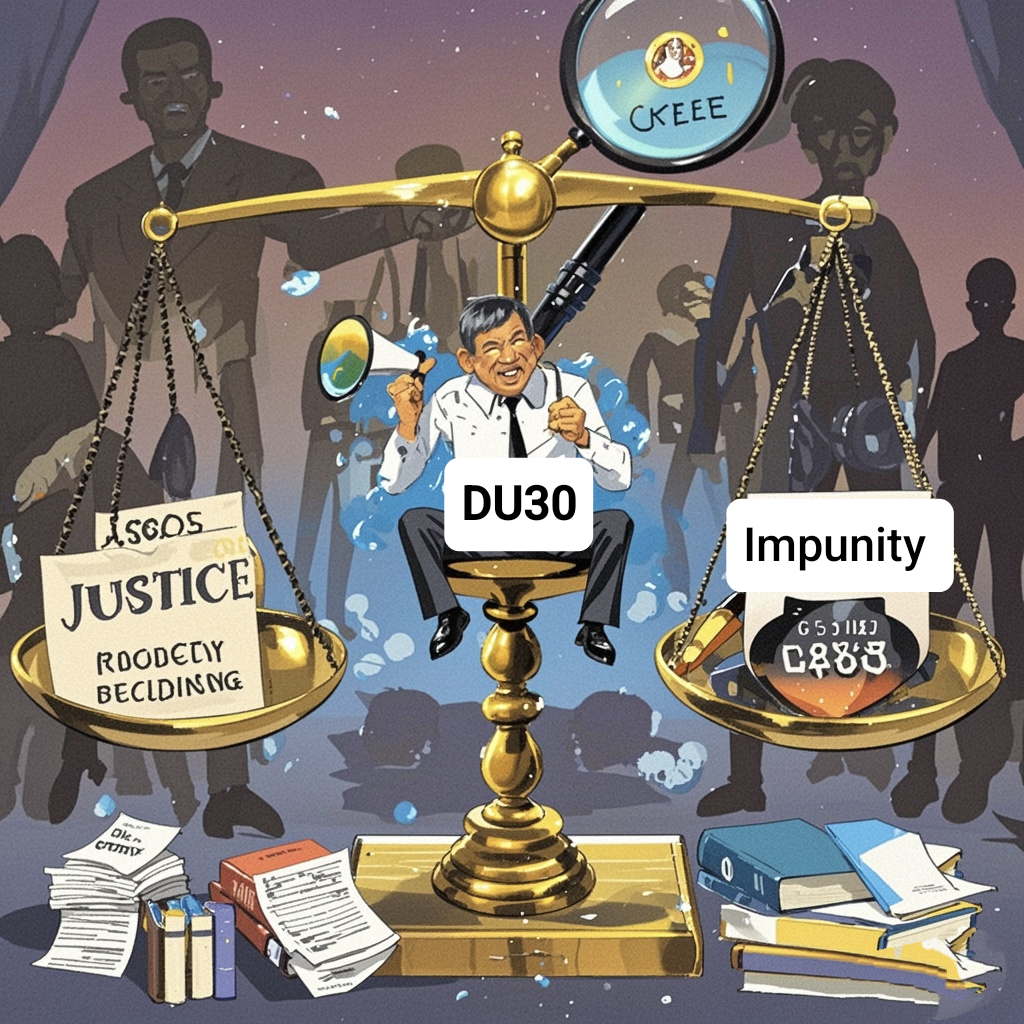
RODRIGO Duterte’s war on drugs promised safety but delivered carnage, with international watchdogs estimating up to 30,000 deaths. As damning allegations surface, this controversial crusade reveals more than just its victims—it unravels the Philippines’ justice system, and the world is watching.
Recent House of Representatives hearings have intensified the controversy, with testimonies shedding light on the chilling operational realities of the anti-drug campaign. Witnesses have pointed to a pattern of systematic extrajudicial killings, torture, and targeting of vulnerable groups under the guise of law enforcement. Duterte himself, in a provocative statement, challenged the International Criminal Court (ICC) to expedite its investigation, expressing his readiness to “rot in prison” if found guilty.
Meanwhile, the Department of Justice (DOJ) faces mounting pressure to fulfill its mandate and ensure accountability. Justice Secretary Jesus Crispin Remulla has confirmed that Republic Act 9851, the Philippine law mirroring international humanitarian law, is being explored as a basis for prosecuting Duterte, signaling a departure from complete reliance on ICC proceedings.
The Legal Framework: Potential Charges Against Duterte
Crimes Against Humanity under R.A. 9851
Under R.A. 9851, crimes against humanity require proof of a widespread or systematic attack directed against a civilian population. Key elements supporting potential charges include:
- Widespread or Systematic Attack: Prosecutors must establish that the killings were not isolated but part of a deliberate state policy targeting civilians, specifically drug users and pushers. Evidence includes police records, operational orders, and testimonies from survivors and whistleblowers.
- Murder and Torture: The extrajudicial killings and reports of torture align with the definitions provided under R.A. 9851. Deaths during “tokhang” operations, characterized by lack of due process, support these charges.
- Persecution and Inhumane Acts: Duterte’s public statements labeling drug users as enemies of society and the discriminatory targeting of impoverished communities could strengthen claims of persecution and systematic violence.
- Command Responsibility: As President, Duterte had ultimate authority over law enforcement and intelligence agencies. The principle of command responsibility makes him liable if it can be proven that he knew of the crimes and failed to act to prevent them or punish the perpetrators.
The Duterte Defense: Legal Arguments Against Charges
Denial of Systematic Policy:
Duterte’s legal team could argue that the deaths were the unintended consequences of legitimate police operations rather than a systematic campaign against civilians. The lack of direct evidence linking Duterte to explicit orders for killings might weaken the prosecution’s case.
Sovereignty and Immunity:
The defense might frame the ICC investigation and potential domestic charges as encroachments on Philippine sovereignty. While R.A. 9851 negates immunity for heads of state, Duterte’s team could challenge its application retroactively or argue procedural technicalities.
Inconsistencies in Evidence:
Discrepancies in witness testimonies, gaps in documentation, and potential witness tampering or intimidation could be exploited to undermine the prosecution’s narrative.
Political Motive Allegations:
The defense might claim that the charges are politically motivated, undermining the prosecution’s credibility.
The Obstacles to Justice: Challenges in Prosecuting Duterte
- Evidence Collection: The prosecution faces the uphill task of gathering irrefutable evidence linking Duterte to a systematic policy of extrajudicial killings. Witnesses may fear reprisal, and critical documents may have been destroyed.
- Political Interference: Allies of Duterte in influential positions could obstruct proceedings or exert pressure on prosecutors.
- Complexity of Proving Command Responsibility: Establishing that Duterte had knowledge of the crimes and failed to act will require a meticulous presentation of evidence, including operational records and insider testimonies.
- Public and Institutional Resistance: A significant portion of the Philippine population continues to support Duterte, complicating efforts to build public consensus for accountability.
- Jurisdictional Overlap: Balancing ICC involvement with domestic proceedings under R.A. 9851 could lead to jurisdictional and procedural disputes.
- Lengthy Legal Process: The complexity of cases involving crimes against humanity often leads to protracted trials, increasing the risk of witness fatigue and fading public interest.
The DOJ’s Case: A Legal Assessment
The DOJ’s case is bolstered by the testimonies and evidence presented during House hearings, as well as Duterte’s public admissions. However, gaps in direct evidence and the potential for political resistance weaken the case. Without robust evidence tying Duterte to a systematic policy of extrajudicial killings, the prosecution may struggle to secure a conviction.
Recommendations
For the DOJ:
- Strengthen Evidence Gathering: Partner with international human rights organizations and leverage forensic experts to build a robust case.
- Protect Witnesses: Establish comprehensive witness protection programs to encourage testimonies from key individuals.
- Engage Public Support: Launch information campaigns emphasizing justice for victims, to counteract narratives dismissing the drug war’s excesses.
- Ensure Independence: Shield the investigation and prosecution from political interference to maintain credibility.
For Rodrigo Duterte:
- Cooperate with Investigations: Voluntarily provide testimony and access to records to demonstrate accountability and respect for the rule of law.
- Acknowledge Responsibility: Publicly address the human costs of the “war on drugs” and take responsibility for policy decisions, fostering a sense of closure for victims.
- Ensure Non-Interference: Refrain from influencing or obstructing the DOJ’s investigation to allow an impartial legal process to proceed.
- Engage Legal Experts: Assemble a defense team to focus on addressing specific allegations under R.A. 9851 while adhering to ethical legal practices.
- Promote Reconciliation: Advocate for national dialogue on drug policy reforms, using this opportunity to acknowledge past mistakes and support future solutions.
For Filipinos:
- Demand Accountability: Encourage civic participation in calling for transparency and justice, irrespective of political affiliations.
- Support the Rule of Law: Promote awareness of R.A. 9851 and its significance in upholding human rights.
- Push for Institutional Reforms: Advocate for reforms within the judiciary and law enforcement to prevent a recurrence of state-sanctioned violence.
Conclusion
The case against Duterte marks a crossroads for the Philippines: a chance to either enshrine justice as a national cornerstone or let impunity reign unchecked. For the victims of the drug war, the stakes are immeasurable—this is not just a trial but a measure of a nation’s conscience. Will the Philippines rise to meet this moment, or succumb to the weight of its darkest failures?
- ₱75 Million Heist: Cops Gone Full Bandit

- ₱6.7-Trillion Temptation: The Great Pork Zombie Revival and the “Collegial” Vote-Buying Circus

- ₱1.9 Billion for 382 Units and a Rooftop Pool: Poverty Solved, Next Problem Please

- ₱1.35 Trillion for Education: Bigger Budget, Same Old Thieves’ Banquet
- ₱1 Billion Congressional Seat? Sorry, Sold Out Na Raw — Si Bello Raw Ang Hindi Bumili

- “We Will Take Care of It”: Bersamin’s P52-Billion Love Letter to Corruption
- “Skewed Narrative”? More Like Skewered Taxpayers!

- “Scared to Sign Vouchers” Is Now Official GDP Policy – Welcome to the Philippines’ Permanent Paralysis Economy
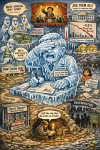
- “Robbed by Restitution?” Curlee Discaya’s Tears Over Returning What He Never Earned

- “My Brother the President Is a Junkie”: A Marcos Family Reunion Special

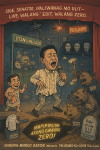
- “Mapipilitan Akong Gawing Zero”: The Day Senator Rodante Marcoleta Confessed to Perjury on National Television and Thought We’d Clap for the Creativity
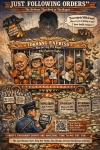
- “Just Following Orders” Is Dead: How the Hague Just Turned Tokhang’s Finest Into International Fugitives

 KWEBA ni BAROK
Leave a comment