By Louis ‘Barok‘ C. Biraogo — November 29, 2024
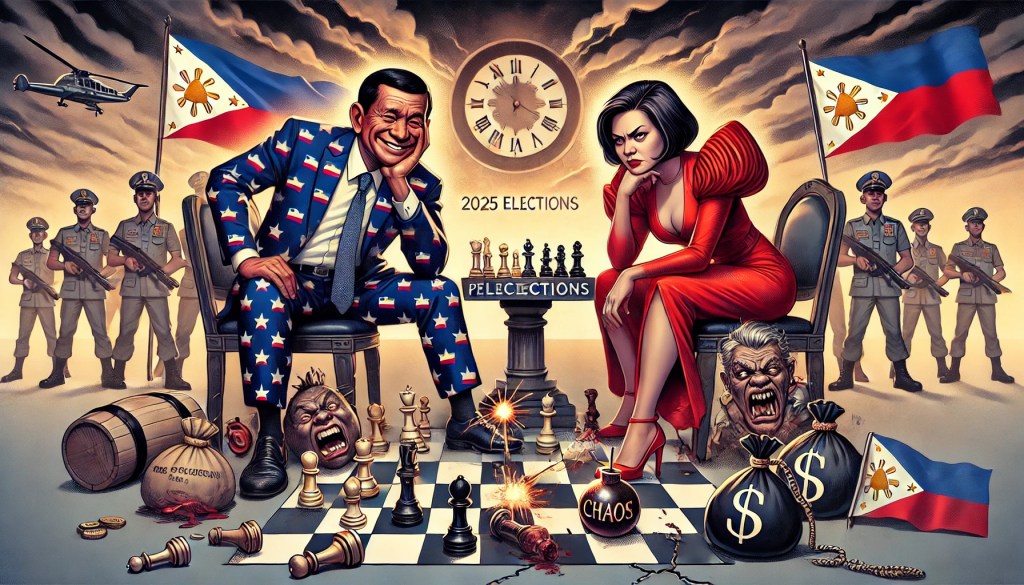
THE Philippines watches in stunned disbelief as the alliance that once symbolized political unity unravels into chaos. President Ferdinand Marcos Jr. and Vice President Sara Duterte, former partners in the ‘UniTeam’ dream, now spar openly, turning their fractured relationship into a national spectacle. The flashpoint? Marcos’s surprising decision to halt Duterte’s impeachment proceedings—an act that has polarized the nation and left many questioning his motives.
The Beginning of the End: The Rift Unfolds
What began as political discord has spiraled into a spectacle of personal animosity. Duterte’s resignation from the education secretary post earlier this year marked the first fissure. It widened with her incendiary remarks threatening the lives of Marcos and key allies—words that not only tarnished her image but invited legal scrutiny, including investigations under the Anti-Terrorism Act and disbarment complaints.
In the shadow of these controversies, rumors of impeachment loomed. Yet, Marcos’s intervention quashed these efforts, claiming they were a distraction from pressing national concerns. “Why waste time on it?” he asked, framing his move as an act of pragmatism. But behind this veneer of rationality lies a complex interplay of political calculations.
The Marcos Narrative: A Leader’s Calculated Move
From a political and legal perspective, Marcos’s decision is astute, if not audacious. By invoking the Constitution’s mandate to prioritize the nation’s welfare (Article II, Section 9), he positions himself as a statesman focused on substantive governance over petty squabbles. The Supreme Court, in Francisco v. House of Representatives (2003), emphasized that impeachment is not merely a political tool but a constitutional safeguard that should not be wielded frivolously. Marcos’s dismissal of the impeachment bid aligns with this principle, arguably saving Congress from a protracted spectacle that could overshadow legislative priorities.
Politically, his stance reinforces his image as a leader above partisan vendettas. Despite Duterte’s provocations, Marcos emerges as the rational actor, unwilling to be drawn into a tit-for-tat battle that could destabilize the government. His decision also underscores a nuanced understanding of power: that sometimes restraint, not retaliation, is the ultimate show of strength.
Duterte’s Own Making: A Self-Inflicted Crisis
Duterte’s conduct, however, paints a starkly different picture. Her incendiary rhetoric—veering recklessly into the territory of threats—has not only alienated allies but eroded public trust. The Anti-Terrorism Act of 2020 (Section 4) prohibits acts that incite harm or fear, placing her in a precarious legal position. Meanwhile, allegations of financial improprieties within her office expose her to further scrutiny, tarnishing her once-formidable reputation as a strong, uncompromising leader.
Her attempts to dismiss these controversies as misinterpretations ring hollow against mounting evidence. The optics of duffel bags filled with unexplained cash evoke a sense of impunity that the public can scarcely afford to ignore.
SWOT Analysis of Marcos’s Intervention
The decision of President Ferdinand Marcos Jr. to halt impeachment proceedings against Vice President Sara Duterte reflects a strategic yet controversial maneuver in Philippine politics. This SWOT analysis delves into the potential strengths, weaknesses, opportunities, and threats posed by this decision, considering its impact on political alliances, governance stability, public perception, and the looming 2025 midterm elections. By evaluating these dynamics, we uncover the broader implications of this pivotal choice for the Marcos administration and the nation.
Strengths:
- Political Image: By halting impeachment, Marcos projects a leader focused on governance, not vendettas.
- Government Stability: His decision avoids a political circus that could paralyze Congress.
Weaknesses:
- Perceived Leniency: Critics may view his move as shielding Duterte, undermining his anti-corruption stance.
- Strained Alliances: His restraint risks emboldening Duterte’s faction, further complicating his leadership.
Opportunities:
- Public Trust: By focusing on national issues, he has a chance to bolster public confidence.
- Midterm Leverage: The move could position him as a unifier, gaining an edge in the 2025 elections.
Threats:
- Backlash: Continued tolerance of Duterte’s actions could alienate key allies and voters.
- Legal Risks: Ignoring allegations against Duterte may fuel perceptions of selective justice.
Duterte’s Second Act: Strategies for Recovery
To regain public trust and political stability, Vice President Sara Duterte must adopt strategic measures to address controversies, rebuild her reputation, and demonstrate accountability. Here are some actionable steps to help her recover from recent missteps and strengthen her political position:
- Accountability: Publicly address financial and legal controversies with transparency. Engage independent auditors to dispel allegations of impropriety.
- Temper Rhetoric: Shift to a narrative of reconciliation and governance. Disavow inflammatory statements to regain credibility.
- Policy Focus: Champion a visible, impactful program—education reform or healthcare—to shift focus from scandals to achievements.
- Engage Allies: Mend relations with Congress and key figures within the administration to rebuild her political base.
Recommendations
For Marcos:
- Strengthen Institutions: Ensure investigations into Duterte’s conduct are impartial, demonstrating a commitment to rule of law.
- Public Outreach: Communicate his decision to halt impeachment as a means of prioritizing national welfare.
For Duterte:
- Apologize and Rebuild: A public mea culpa could go a long way in mitigating damage.
- Stay Low-Key: Focus on rebuilding credibility through quiet, effective governance rather than combative rhetoric.
For Filipinos:
- Demand Accountability: Insist on transparent investigations, regardless of political affiliations.
- Engage in Dialogue: Resist polarization by seeking common ground on issues that matter most—poverty, inflation, and national security.
The Marcos-Duterte feud has cast a long shadow over the Philippines, its impact rippling far beyond the immediate players. As the country grapples with the fallout, one question demands an answer: can its leaders put aside their differences for the good of the nation, or will their conflict become a cautionary tale of power squandered? The outcome will shape not just the present, but the future of a nation yearning for stability.

- ₱75 Million Heist: Cops Gone Full Bandit

- ₱6.7-Trillion Temptation: The Great Pork Zombie Revival and the “Collegial” Vote-Buying Circus

- ₱1.9 Billion for 382 Units and a Rooftop Pool: Poverty Solved, Next Problem Please

- ₱1.35 Trillion for Education: Bigger Budget, Same Old Thieves’ Banquet

- ₱1 Billion Congressional Seat? Sorry, Sold Out Na Raw — Si Bello Raw Ang Hindi Bumili

- “We Will Take Care of It”: Bersamin’s P52-Billion Love Letter to Corruption

- “Skewed Narrative”? More Like Skewered Taxpayers!

- “Scared to Sign Vouchers” Is Now Official GDP Policy – Welcome to the Philippines’ Permanent Paralysis Economy
- “Robbed by Restitution?” Curlee Discaya’s Tears Over Returning What He Never Earned

- “No Pressure” Luistro? The House Pork Bazaar Exposed
- “My Brother the President Is a Junkie”: A Marcos Family Reunion Special

- “Mapipilitan Akong Gawing Zero”: The Day Senator Rodante Marcoleta Confessed to Perjury on National Television and Thought We’d Clap for the Creativity


 KWEBA ni BAROK
Leave a comment