By Louis ‘Barok‘ C. Biraogo — December 8, 2024
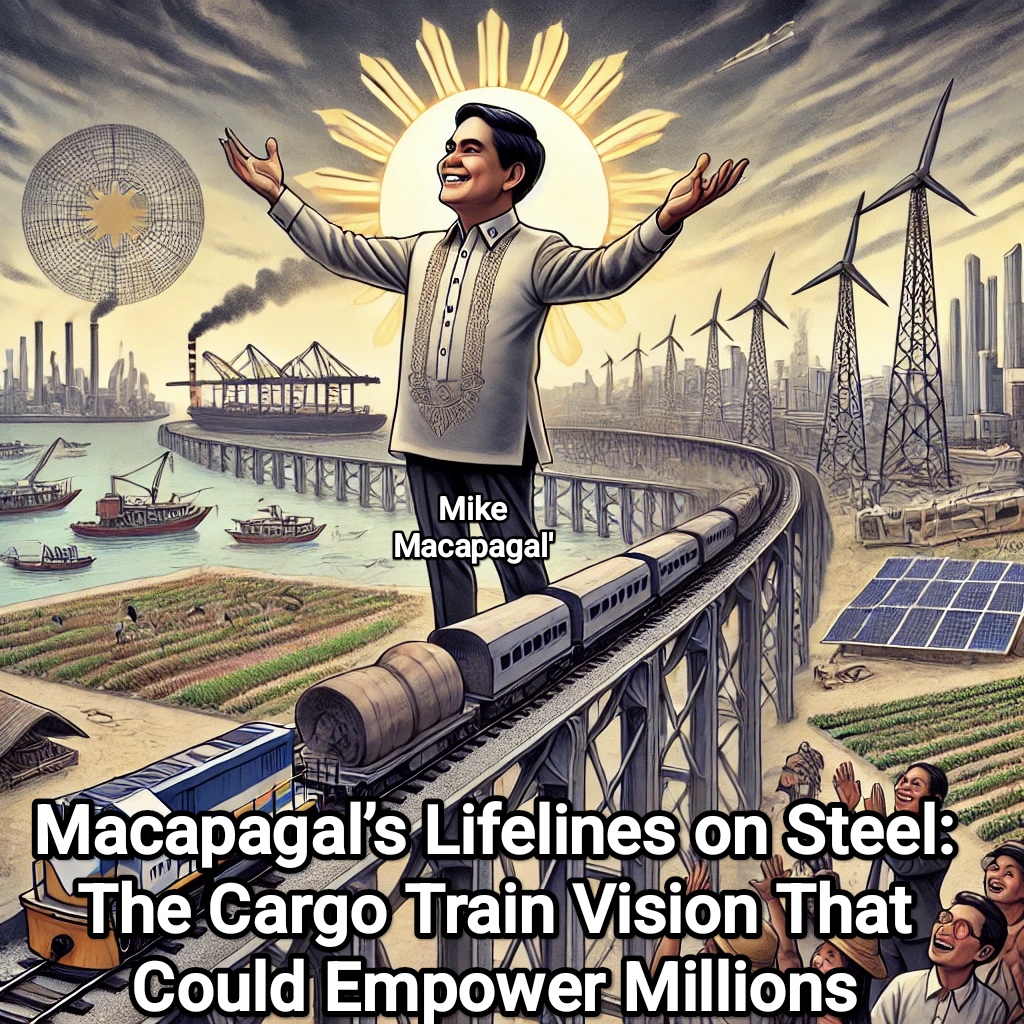
IN A nation desperate for sustainable growth, one man dares to reimagine its future. Michael Ted Macapagal, Chairman of the Philippine National Railways (PNR), is spearheading a cargo train project with the power to rewrite the Philippines’ economic destiny. His vision is clear: lifelines of steel threading prosperity across the archipelago. The stakes are monumental—this isn’t just a railway; it’s a revolution waiting to happen.
The Breakdown of Movement: A Crisis in Logistics
For decades, the Philippines has grappled with a fragmented logistics system that has hindered progress, leaving farmers and fisherfolk stranded on the margins of opportunity. Poor infrastructure and exorbitant transport costs have translated into low incomes for producers and high prices for consumers. Amid this crisis, Macapagal’s proposal offers a thrilling prospect: an efficient cargo network integrated into the North South Commuter Railway (NSCR) that could revolutionize the nation’s logistics.
As Macapagal himself declared, “The NSCR and SCMB are not just infrastructure projects; they are catalysts for economic and social transformation.” If implemented with precision, this project has the potential to redefine the Philippines’ economic landscape.
The Call for Change: Economic and Social Awakening
Consider the implications for the backbone of the nation’s economy—farmers and fisherfolk. Direct access to urban markets through this rail integration could yield a stunning 400% income increase while slashing food prices by up to 40%. These figures represent not just numbers but transformative shifts in quality of life and dignity for millions. The promise of job creation during construction and operations adds another layer of hope, potentially lifting communities out of poverty and spurring regional development.
The project also has broader social implications. By reducing food prices, it could alleviate urban hunger and improve nutrition for millions. And by creating a seamless connection between rural producers and urban consumers, it paves the way for a more equitable economic system—one that closes the gap between the haves and the have-nots.
Our Planet’s Plea: The Environmental Imperative
As the world grapples with the climate crisis, the environmental case for this project is compelling. Rail transport, far more energy-efficient than road, could significantly reduce the Philippines’ carbon footprint. The vision extends beyond the tracks, with agro-industrial hubs, waste-to-energy facilities, and clean energy investments forming a part of the integrated system. These innovations make Macapagal’s proposal not just a logistics solution but a model of sustainable development.
Navigating the Road Ahead: Challenges and Opportunities
No grand vision comes without hurdles. The technical feasibility of adapting a passenger-focused railway for cargo must be meticulously evaluated. Infrastructure capacity, safety protocols, and compatibility with existing logistics systems are critical factors. Moreover, the financial sustainability of the project demands careful planning, ensuring it does not falter under the weight of debt or operational inefficiencies.
Equally vital is stakeholder engagement. Farmers, fisherfolk, businesses, and local communities must be active participants, not just beneficiaries. Transparency, accountability, and trust will be the linchpins of this endeavor.
Recommendations
For Macapagal: Your visionary leadership must be matched by strategic rigor. Forge partnerships with international experts, involve private sector innovators, and ensure the project remains inclusive at every stage.
For the Marcos administration: Champion this project as a centerpiece of national development. Allocate resources judiciously, streamline bureaucratic hurdles, and communicate the long-term benefits to the public. International support from allies like the U.S. and Japan should be leveraged to ensure funding and technical expertise.
For Filipinos: Embrace this vision as a collective national undertaking. The benefits—more jobs, lower food prices, and a greener future—are within reach. But the nation must hold its leaders accountable to deliver on this promise without compromise.
A Bold Vision, A Brighter Tomorrow
The integration of cargo services into the NSCR is more than a logistics project—it’s a chance to rewrite the Philippine narrative. As trains traverse the tracks, they carry not just goods but the dreams of a nation yearning for progress. If the stars align, this could be the Philippines’ moment to lead by example—a story of resilience, innovation, and hope roaring across the rails.

- ₱75 Million Heist: Cops Gone Full Bandit

- ₱6.7-Trillion Temptation: The Great Pork Zombie Revival and the “Collegial” Vote-Buying Circus

- ₱1.9 Billion for 382 Units and a Rooftop Pool: Poverty Solved, Next Problem Please

- ₱1.35 Trillion for Education: Bigger Budget, Same Old Thieves’ Banquet

- ₱1 Billion Congressional Seat? Sorry, Sold Out Na Raw — Si Bello Raw Ang Hindi Bumili

- “We Will Take Care of It”: Bersamin’s P52-Billion Love Letter to Corruption

- “Skewed Narrative”? More Like Skewered Taxpayers!

- “Scared to Sign Vouchers” Is Now Official GDP Policy – Welcome to the Philippines’ Permanent Paralysis Economy

- “Robbed by Restitution?” Curlee Discaya’s Tears Over Returning What He Never Earned

- “No Pressure” Luistro? The House Pork Bazaar Exposed
- “My Brother the President Is a Junkie”: A Marcos Family Reunion Special

- “Mapipilitan Akong Gawing Zero”: The Day Senator Rodante Marcoleta Confessed to Perjury on National Television and Thought We’d Clap for the Creativity




 KWEBA ni BAROK
Leave a comment