By Louis ‘Barok‘ C Biraogo — January 10, 2025
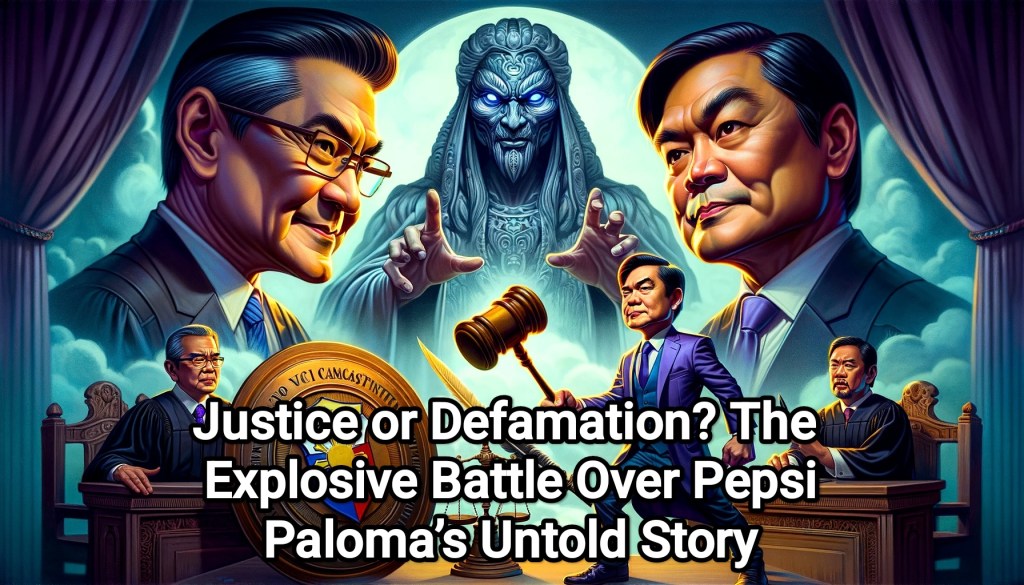
IN A battle that pits artistic expression against personal reputation, Vic Sotto and Darryl Yap are clashing over a controversial teaser for The Rapists of Pepsi Paloma. This legal showdown reopens the wounds of one of Philippine showbiz’s most haunting scandals, forcing us to confront issues of defamation, free speech, and the legacy of a tragedy that refuses to fade.
The Pepsi Paloma Case: A Look Back at the Allegations
Original Accusations (1982)
Pepsi Paloma accused Vic Sotto, Joey de Leon, and Richie D’Horsie of rape. The case was reportedly settled out of court with an apology from the accused. Public skepticism has surrounded the settlement, with allegations that Paloma was pressured to withdraw the complaint.
Coca Nicolas’s Revelations
Paloma’s friend Coca Nicolas later claimed that their manager, Rey de la Cruz, orchestrated the accusations as a publicity stunt. If true, this casts doubt on the veracity of the original charges, which could strengthen Sotto’s argument against revisiting the case.
Paloma’s Death (1985)
Paloma’s alleged suicide at 19 remains a point of speculation, with theories ranging from mental health struggles to foul play. Her death has fueled calls for justice and transparency.
The Sotto-Yap Case: A Legal Analysis of the Arguments
For Vic Sotto: Cyber Libel and Privacy
Vic Sotto’s complaint hinges on allegations of defamation and violations of his right to privacy.
- Cyber Libel under RA 10175
- Provision: Section 4(c)(4) of the Cybercrime Prevention Act defines cyber libel as public and malicious imputation of a crime or act via a computer system.
- Sotto’s Argument: The teaser explicitly names him as having committed rape, a claim he asserts is false and damaging to his reputation. The sensational nature of the teaser increases its defamatory impact.
- Violation of Privacy and Reputation
- Constitutional Basis: Article III, Sections 1 and 3 of the Constitution protect individuals from unwarranted intrusions into their private lives.
- Sotto’s Argument: Revisiting a decades-old case where accusations were dropped violates his right to privacy and unnecessarily harms his legacy.
- Writ of Habeas Data
- Provision: Under A.M. No. 08-1-16-SC, individuals can petition for a writ of habeas data to address threats to privacy.
- Sotto’s Argument: By releasing promotional materials implicating him, Yap is unlawfully violating Sotto’s control over information about himself.
- Precedents Supporting Sotto
- Disini v. Secretary of Justice (2014): Upheld the Cybercrime Prevention Act’s libel provisions, emphasizing protection against online defamation.
- Morales v. Enrile (1987): Affirmed privacy as a constitutional right.
For Darryl Yap: Freedom of Expression and Fair Comment
Yap’s defense centers on constitutional protections for freedom of speech and the public interest nature of the Pepsi Paloma case.
- Freedom of Expression
- Constitutional Basis: Article III, Section 4 guarantees freedom of speech, including artistic expression.
- Yap’s Argument: The teaser is part of a film exploring a public controversy and serves as a form of artistic and journalistic expression.
- Fair Comment on Public Interest
- Provision: Article 361 of the Revised Penal Code allows criticism on public interest matters, even if unfavorable.
- Yap’s Argument: The Pepsi Paloma case involves public figures and historical issues of justice, warranting public discourse.
- Truth as a Defense
- Provision: Truthful statements made in good faith and relevant to public interest are not libelous.
- Yap’s Argument: The teaser reflects historical events that are part of public record. Yap claims to have consulted Paloma’s family to ensure accuracy.
- Precedents Supporting Yap
- Chavez v. Gonzales (2008): Emphasized protection of speech, even if controversial, unless it presents a clear and present danger.
- Ayer Productions Pty Ltd. v. Capulong (1990): Supported the right to comment on matters of public interest.
Weighing the Arguments: What Will Decide the Sotto-Yap Case?
- Strength of Legal Arguments
- For Sotto: The explicit naming in the teaser strengthens his cyber libel claim, particularly if Yap cannot substantiate the allegations with evidence.
- For Yap: The defense hinges on proving the historical accuracy of the teaser and its contribution to public interest.
- Public Interest vs. Personal Reputation
- The court must balance the public’s right to explore historical issues with Sotto’s right to safeguard his reputation.
- Malice and Intent
- Proving malice on Yap’s part is crucial for Sotto’s libel claims. Yap’s argument of good faith and artistic intent could counter this.
- Precedent Setting
- The case could set a precedent for the boundaries of artistic freedom in retelling historical controversies.
Recommendations
- For Vic Sotto
- Emphasize the inaccuracy and malicious intent behind the teaser.
- Highlight the emotional and reputational damage caused by revisiting resolved issues.
- For Darryl Yap
- Ensure the film is thoroughly researched and factually accurate to defend against claims of sensationalism.
- Frame the project as a contribution to societal understanding of historical injustices.
- For the Court
- Carefully weigh the constitutional rights to privacy and expression.
- Consider appointing mediators to explore a compromise, such as revising the teaser or disclaimers emphasizing the film’s dramatized nature.
Conclusion
This case is more than a legal dispute—it is a mirror reflecting the tension between personal dignity and the public’s right to engage with history. Whether the court sides with Sotto’s plea for justice or Yap’s claim to artistic freedom, its decision will shape how future generations balance individual rights with collective memory in the Philippines.

- ₱75 Million Heist: Cops Gone Full Bandit

- ₱6.7-Trillion Temptation: The Great Pork Zombie Revival and the “Collegial” Vote-Buying Circus

- ₱1.9 Billion for 382 Units and a Rooftop Pool: Poverty Solved, Next Problem Please

- ₱1.35 Trillion for Education: Bigger Budget, Same Old Thieves’ Banquet

- ₱1 Billion Congressional Seat? Sorry, Sold Out Na Raw — Si Bello Raw Ang Hindi Bumili

- “We Will Take Care of It”: Bersamin’s P52-Billion Love Letter to Corruption

- “Skewed Narrative”? More Like Skewered Taxpayers!

- “Scared to Sign Vouchers” Is Now Official GDP Policy – Welcome to the Philippines’ Permanent Paralysis Economy
- “Robbed by Restitution?” Curlee Discaya’s Tears Over Returning What He Never Earned

- “No Pressure” Luistro? The House Pork Bazaar Exposed
- “My Brother the President Is a Junkie”: A Marcos Family Reunion Special

- “Mapipilitan Akong Gawing Zero”: The Day Senator Rodante Marcoleta Confessed to Perjury on National Television and Thought We’d Clap for the Creativity




 KWEBA ni BAROK
Leave a comment