By Louis ‘Barok‘ C. Biraogo — January 11, 2025
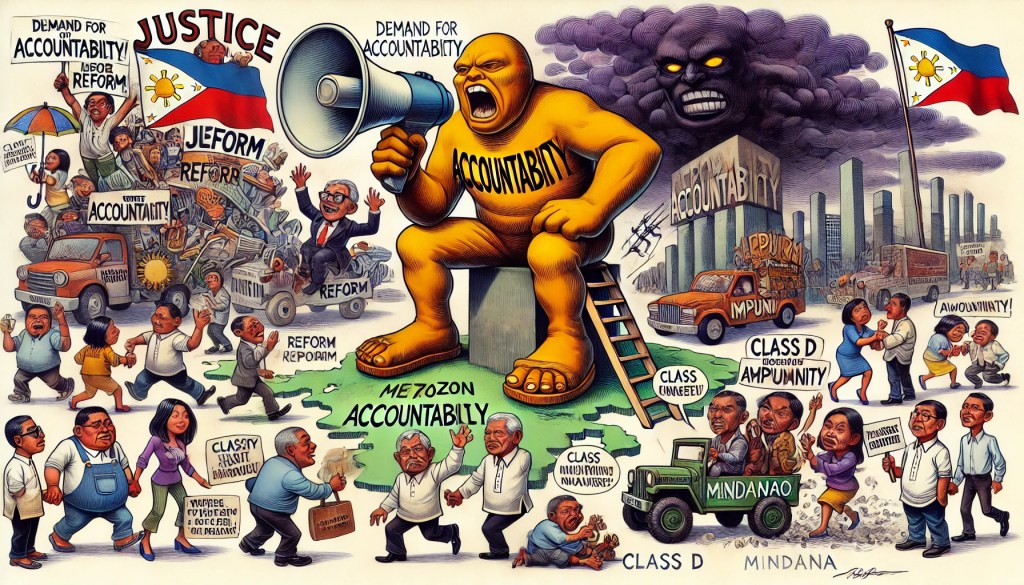
How much longer can the Philippines turn a blind eye to its own bleeding wounds? With 61% of Filipinos supporting investigations into extrajudicial killings, illegal drugs, and illegal POGO operations, the message is clear: the time for silence is over. A reckoning is not just coming—it is here.
Breaking Down the Numbers: Regional and Socioeconomic Divides
Regional Trends
Support for the investigations is highest in Metro Manila (73%), a clear indication of urban Filipinos’ heightened exposure to these issues and their demand for transparency. Luzon outside Metro Manila follows closely at 66%, reflecting a growing sentiment among provincial communities for government accountability. The Visayas, at 59%, aligns with national trends but still signals significant engagement.
Mindanao, however, presents a complex picture with only 46% expressing support—the lowest across all regions. As former President Rodrigo Duterte’s stronghold, this may reflect residual loyalty to his administration’s policies, particularly the controversial drug war. The high rate of indecision in Mindanao (30%) suggests that the region is at a crossroads, torn between political allegiance and a growing awareness of unresolved issues.
Class Divides
Across socioeconomic classes, support is notably strong among the more affluent ABC classes (64%) and the middle-class D group (62%). The lower support among Class E (52%) suggests disparities in political engagement or access to information. Opposition is highest in Class E (20%), reflecting possible skepticism or fear of systemic change among marginalized groups who are disproportionately affected by these issues.
The Filipino Voice: Hopes and Fears for the Future
Expectations from the Investigations
The survey reveals that Filipinos prioritize naming and prosecuting officials involved in EJKs, illegal drugs, and POGOs. A combined 48% hope for accountability through identification of perpetrators and legal reforms. Yet only 11% expect convictions, reflecting a tempered faith in the judicial system. Another 9% yearn for truth, justice, and healing—an acknowledgment of the emotional toll these issues have exacted on communities.
Broader Concerns: Beyond EJKs, Illegal Drugs, and POGOs
The survey underscores the public’s broader anxieties about governance and human rights:
- Human Rights Abuses: The shadow of the Duterte administration’s drug war looms large, with 78% fearing victimization by EJKs. The lack of comprehensive investigations deepens this fear.
- Human Trafficking: The POGO industry has drawn ire for its role in trafficking and exploitation, with Filipinos demanding accountability from foreign and local operators alike.
- “Red-Tagging”: Activists and civil society groups remain at risk from state-driven harassment, challenging the nation’s commitment to freedom of expression.
- Press Freedom: Journalists continue to face threats, with little institutional support to ensure their safety and autonomy.
- Arbitrary Detention: High-profile cases like Senator Leila de Lima’s prolonged imprisonment highlight a system often weaponized against dissenters.
The Survey’s Echoes: Political and Social Impact
A Shifting Political Landscape
The survey results will likely reverberate through the political arena, shaping narratives for the 2025 midterms and 2028 presidential elections. Politicians seen as complicit in abuses or protective of entrenched interests may face backlash, while reformist candidates could harness this wave of public sentiment to drive their campaigns.
The Call for New Political Movements
The growing disillusionment with traditional politics may spur the rise of new political forces emphasizing accountability, transparency, and human rights. This shift could transform the Philippines’ political landscape, fostering a more engaged electorate.
Rebuilding Public Trust
Addressing these issues will be crucial to restoring Filipinos’ faith in governance. Transparent investigations, legislative reforms, and judicial independence are necessary steps toward rebuilding public confidence.
Recommendations for Action
- Government Accountability: Strengthen the independence of investigating bodies and ensure their findings lead to tangible actions, including prosecutions.
- Legislative Reforms: Enact laws to safeguard human rights, regulate industries linked to crime, and protect whistleblowers.
- Civil Society Mobilization: Empower grassroots organizations to advocate for victims, demand transparency, and monitor government actions.
- International Cooperation: Leverage partnerships with global human rights organizations to address systemic abuses and promote justice.
- Education and Public Awareness: Launch campaigns to inform citizens about their rights and the importance of democratic participation.
The Philippines: A Nation in Search of Direction
The Pulse Asia survey is a beacon of hope, illuminating a path toward accountability and reform. It’s a powerful reminder that even in challenging times, the spirit of democracy thrives in the voices of the people. But hope alone is not enough. As we approach the pivotal elections of 2025 and 2028, the challenge is clear: Will leaders join the people in building a more just and accountable Philippines, or will we let this opportunity for transformation pass us by?

- “Forthwith” to Farce: How the Senate is Killing Impeachment—And Why Enrile’s Right (Even If You Can’t Trust Him)
- “HINDI AKO NAG-RESIGN!”

- “I’m calling you from my new Globe SIM. Send load!”

- “Mahiya Naman Kayo!” Marcos’ Anti-Corruption Vow Faces a Flood of Doubt

- “Meow, I’m calling you from my new Globe SIM!”

- “No Special Jail for Crooks!” Boying Remulla Slams VIP Perks for Flood Scammers
- “PLUNDER IS OVERRATED”? TRY AGAIN — IT’S A CALCULATED KILL SHOT

- “Several Lifetimes,” Said Fajardo — Translation: “I’m Not Spending Even One More Day on This Circus”

- “Shimenet”: The Term That Broke the Internet and the Budget

- “We Did Not Yield”: Marcos’s Stand and the Soul of Filipino Sovereignty

- “We Gather Light to Scatter”: A Tribute to Edgardo Bautista Espiritu

- $150M for Kaufman to Spin a Sinking Narrative

 KWEBA ni BAROK
Leave a comment