By Louis ‘Barok‘ C. Biraogo — January 21, 2025
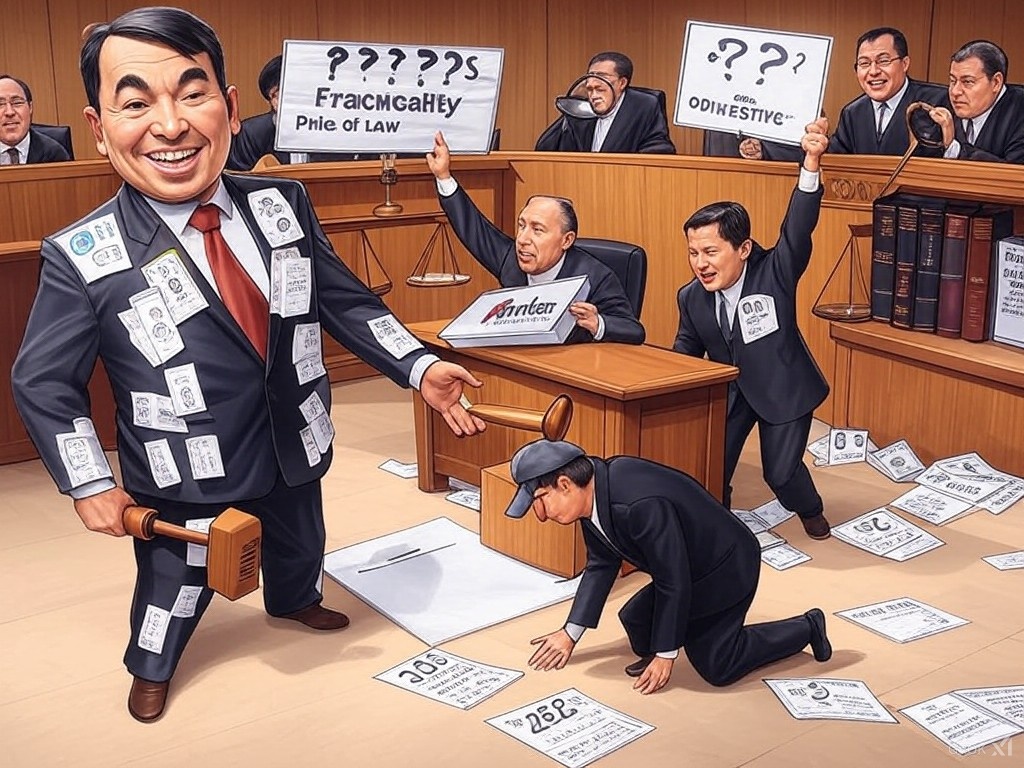
WHAT happens when the cost of democracy comes down to the price of paper and ink? The inclusion of Subair Guinthum Mustapha on the senatorial ballot has thrown the Philippine elections into a whirlwind of debates. Senator Francis Pangilinan’s suggestion to solve the dilemma without reprinting millions of ballots has been met with resistance from the COMELEC, which warns of the constitutional consequences of bending the rules. The question now looms: can efficiency and legality coexist in the electoral process?
This analysis examines the legal arguments, constitutional implications, and precedents that could shape the resolution of this dilemma.
Pangilinan’s Proposal: A Practical Yet Contentious Solution
Senator Pangilinan’s proposal seeks to address the Supreme Court’s (SC) January 14 decision, which mandated Mustapha’s inclusion in the senatorial lineup. Pangilinan argues that assigning Mustapha the last spot would preserve the numerical order already communicated to voters and spare COMELEC the logistical and financial burden of reprinting ballots.
Legal Arguments Cited by Pangilinan:
- Efficiency and Cost-Effectiveness: The P132 million required to reprint ballots could be saved by amending the ballot’s order. This approach is grounded in practical considerations rather than explicit statutory provisions.
- Minimizing Electoral Disruption: By maintaining the integrity of the current numbering system, voter confusion could be mitigated.
- No Explicit Prohibition: Philippine election laws do not explicitly mandate alphabetical order for candidates, potentially leaving room for discretionary adjustments in exceptional circumstances.
COMELEC’s Position: Upholding Equality and Fairness
COMELEC swiftly rejected Pangilinan’s proposal, citing its potential to violate the SC’s directive and constitutional principles.
Legal Basis for Rejection:
- Supreme Court Ruling Compliance: The SC explicitly required Mustapha’s inclusion under the same conditions as other candidates. Placing him last could be viewed as unequal treatment, undermining the Court’s intent.
- Equal Protection Clause: Article III, Section 1 of the 1987 Constitution guarantees equal protection under the law. Altering the ballot sequence for Mustapha alone might be interpreted as discriminatory.
- Voter Fairness and Equity: COMELEC’s practice of listing candidates alphabetically ensures neutrality, avoiding any perceived favoritism or disadvantage. Departing from this standard risks undermining public trust in the election process.
The Legal Framework: Relevant Precedents and Principles Guiding the Decision
Although there are no direct precedents addressing this exact scenario, several legal principles and case law offer guidance:
- Equal Protection and Fair Play:
- League of Cities of the Philippines v. COMELEC (2011): The Supreme Court emphasized adherence to established procedures and frameworks to ensure fairness.
- Alphabetical ordering, while not explicitly enshrined in law, has become a de facto standard for neutrality.
- Supremacy of the Constitution and Rule of Law:
- The Constitution mandates fairness and equal treatment in elections, aligning with international norms of democratic governance.
- Balancing Practicality and Legal Principles:
- Past cases reveal the judiciary’s reluctance to prioritize convenience over constitutional guarantees, even when practical benefits are evident.
Constitutional Implications: Balancing Efficiency with Equal Protection
At the heart of the debate lies the equal protection clause. Placing Mustapha’s name last might create a perception of unequal treatment, particularly if this adjustment disadvantages his campaign. Conversely, the financial and logistical burden of reprinting ballots also raises concerns about resource allocation and election efficiency.
The courts will likely consider the broader implications of fairness:
- For Mustapha: Any deviation from standard procedures could be seen as discriminatory.
- For Other Candidates: Changing the numbering could disrupt campaign strategies already tied to specific ballot positions.
- For Voters: Ensuring clarity and consistency in ballot design is critical to maintaining electoral integrity.
The Legal Debate: Weighing the Strengths and Weaknesses of Each Side
Pangilinan’s Proposal:
- Strengths: Cost-effective; preserves current numbering; minimizes disruption.
- Weaknesses: Potential constitutional violations; risks undermining public trust.
COMELEC’s Rejection:
- Strengths: Adheres to legal principles and SC directives; ensures equal treatment.
- Weaknesses: Financially burdensome; risks logistical delays in reprinting ballots.
The Verdict: Who Has the Upper Hand in this Case?
Based on existing laws and precedents, COMELEC’s position appears stronger. Upholding the SC ruling and equal protection principles aligns with constitutional mandates, outweighing the practical benefits of Pangilinan’s proposal. The judiciary has historically prioritized legal and constitutional integrity over convenience.
Recommendations for Stakeholders
- For COMELEC:
- Expedite the reprinting process to minimize delays while ensuring strict compliance with SC directives.
- Enhance public communication to clarify the rationale behind the decision and prevent voter confusion.
- For Senator Pangilinan:
- Consider withdrawing the proposal to avoid further legal challenges and focus on alternative solutions, such as voter education.
- For the Supreme Court:
- Issue clarifying guidelines on ballot ordering to prevent similar disputes in future elections.
- For Legislators:
- Propose amendments to election laws explicitly addressing the order of candidates on ballots, balancing fairness with flexibility for unforeseen circumstances.
Conclusion
The controversy over Mustapha’s ballot inclusion reveals the precarious balancing act between pragmatism and principle in our electoral system. While Senator Pangilinan’s proposal may seem like a shortcut, shortcuts often lead to slippery slopes. As the 2025 elections approach, it is imperative that COMELEC and its stakeholders resist the lure of convenience and reaffirm their commitment to fairness, transparency, and the rule of law—for these are the cornerstones of a truly democratic society.

- ₱75 Million Heist: Cops Gone Full Bandit

- ₱6.7-Trillion Temptation: The Great Pork Zombie Revival and the “Collegial” Vote-Buying Circus

- ₱1.9 Billion for 382 Units and a Rooftop Pool: Poverty Solved, Next Problem Please

- ₱1.35 Trillion for Education: Bigger Budget, Same Old Thieves’ Banquet

- ₱1 Billion Congressional Seat? Sorry, Sold Out Na Raw — Si Bello Raw Ang Hindi Bumili

- “We Will Take Care of It”: Bersamin’s P52-Billion Love Letter to Corruption

- “Skewed Narrative”? More Like Skewered Taxpayers!

- “Scared to Sign Vouchers” Is Now Official GDP Policy – Welcome to the Philippines’ Permanent Paralysis Economy

- “Robbed by Restitution?” Curlee Discaya’s Tears Over Returning What He Never Earned

- “No Pressure” Luistro? The House Pork Bazaar Exposed
- “My Brother the President Is a Junkie”: A Marcos Family Reunion Special

- “Mapipilitan Akong Gawing Zero”: The Day Senator Rodante Marcoleta Confessed to Perjury on National Television and Thought We’d Clap for the Creativity



 KWEBA ni BAROK
Leave a comment