By Louis ‘Barok’ C Biraogo — January 23, 2025
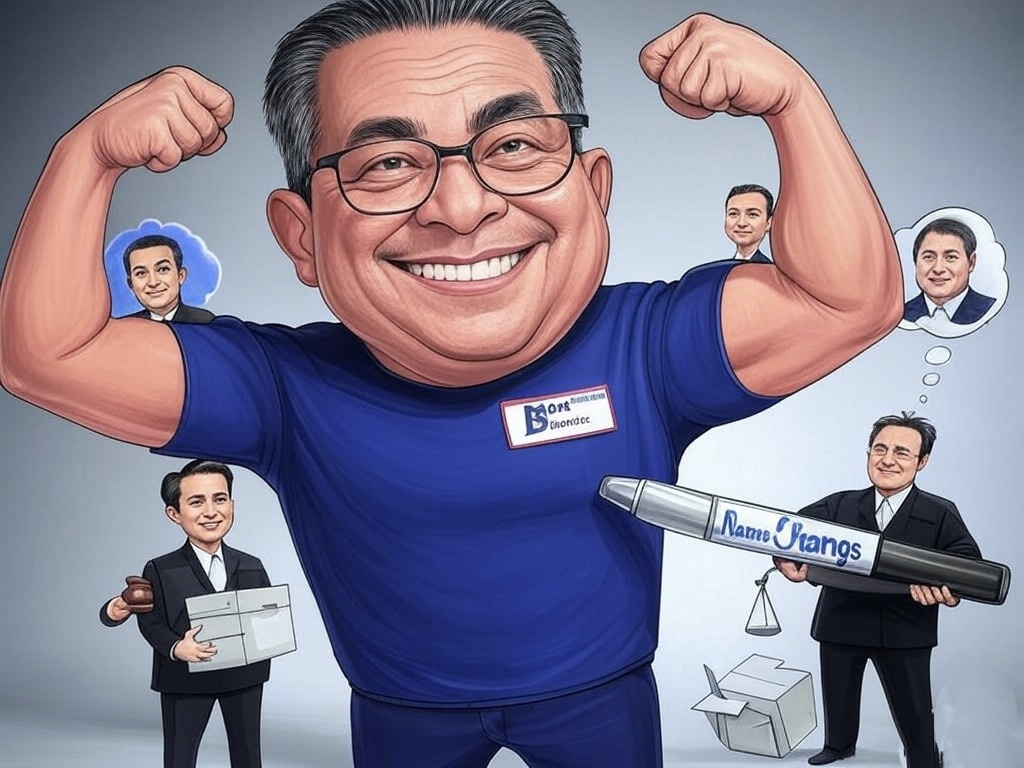
IN THE Philippines, politics isn’t just a game—it’s a spectacle. The 2025 senatorial ballot has sparked outrage and raised eyebrows, with Senator Ramon ‘Bong’ Revilla Jr.’s name mysteriously appearing near the top, ahead of candidates whose surnames start with ‘B.’ The reason? A clever legal maneuver that reveals just how far politicians will go to tilt the odds in their favor.
Revilla, a reelectionist senator and former action star, legally changed his surname to “Bong Revilla” in 2009, ensuring that his name would appear early on the ballot under the alphabetical listing system. This maneuver, while perfectly legal, underscores the calculated nature of Philippine politics, where even the order of names on a ballot can become a battleground for advantage.
The conspiracy theories swirling around Revilla’s ballot position—suggesting collusion between the Commission on Elections (Comelec) and the senator—are perhaps overblown. But they reveal a deeper truth: public distrust in the electoral system. Filipinos, weary of political machinations and historical instances of electoral fraud, are quick to suspect foul play. The fact that Revilla’s election lawyer in 2009, George Erwin Garcia, is now Comelec chairman only adds fuel to the fire, even if there’s no evidence of wrongdoing.
Revilla’s name change is a masterclass in gaming the system. In a country where name recognition can make or break a candidate, securing a spot near the top of the ballot is a significant advantage. Studies have shown that voters, particularly in crowded races, are more likely to select names they see first. By adopting “Bong Revilla” as his legal surname, the senator ensured his name would stand out, leveraging his celebrity status and the quirks of the electoral process to his benefit.
But this tactic also raises uncomfortable questions about the integrity of the system. Should candidates be allowed to manipulate their names for electoral gain? While Revilla’s move is legal, it highlights the need for reforms that prioritize fairness and transparency over clever loopholes. The Comelec, for its part, has defended the ballot arrangement, emphasizing that it follows the law. Yet, the public’s skepticism persists, a testament to the erosion of trust in institutions.
This controversy also reflects the broader challenges facing Philippine democracy. Elections, while a cornerstone of democratic governance, are often marred by allegations of fraud, vote-buying, and manipulation. The spectacle of politicians jockeying for position—literally and figuratively—distracts from the urgent issues facing the country: poverty, inequality, and corruption.
Revilla’s case is a microcosm of these systemic issues. A larger-than-life figure with a checkered past—he was acquitted of plunder charges in 2018—he embodies the resilience of political dynasties and the enduring influence of celebrity in Philippine politics. His ability to navigate the system, from name changes to legal battles, speaks to the adaptability of those in power.
But for ordinary Filipinos, the ballot controversy is a reminder of how the game is rigged in favor of the well-connected. While Revilla’s name may appear at the top of the ballot, the real question is whether the system itself can be reformed to ensure a level playing field. Until then, the spectacle of politicians gaming the system will continue to overshadow the promise of genuine democracy.
The tale of Bong Revilla’s name isn’t just a curious anecdote—it’s a mirror held up to Philippine politics, revealing a system that prizes cleverness over character and bends rules to favor the privileged. Until the day integrity outweighs ingenuity, the joke will linger, and names like Revilla’s will continue to sit at the top of the ballot, a symbol of a game rigged for the powerful.

- “Forthwith” to Farce: How the Senate is Killing Impeachment—And Why Enrile’s Right (Even If You Can’t Trust Him)

- “HINDI AKO NAG-RESIGN!”

- “I’m calling you from my new Globe SIM. Send load!”

- “Mahiya Naman Kayo!” Marcos’ Anti-Corruption Vow Faces a Flood of Doubt

- “Meow, I’m calling you from my new Globe SIM!”

- “No Special Jail for Crooks!” Boying Remulla Slams VIP Perks for Flood Scammers

- “PLUNDER IS OVERRATED”? TRY AGAIN — IT’S A CALCULATED KILL SHOT

- “Several Lifetimes,” Said Fajardo — Translation: “I’m Not Spending Even One More Day on This Circus”

- “Shimenet”: The Term That Broke the Internet and the Budget

- “We Did Not Yield”: Marcos’s Stand and the Soul of Filipino Sovereignty

- “We Gather Light to Scatter”: A Tribute to Edgardo Bautista Espiritu

- $150M for Kaufman to Spin a Sinking Narrative






 KWEBA ni BAROK
Leave a comment