By Louis ‘Barok‘ C. Biraogo — January 23, 2025
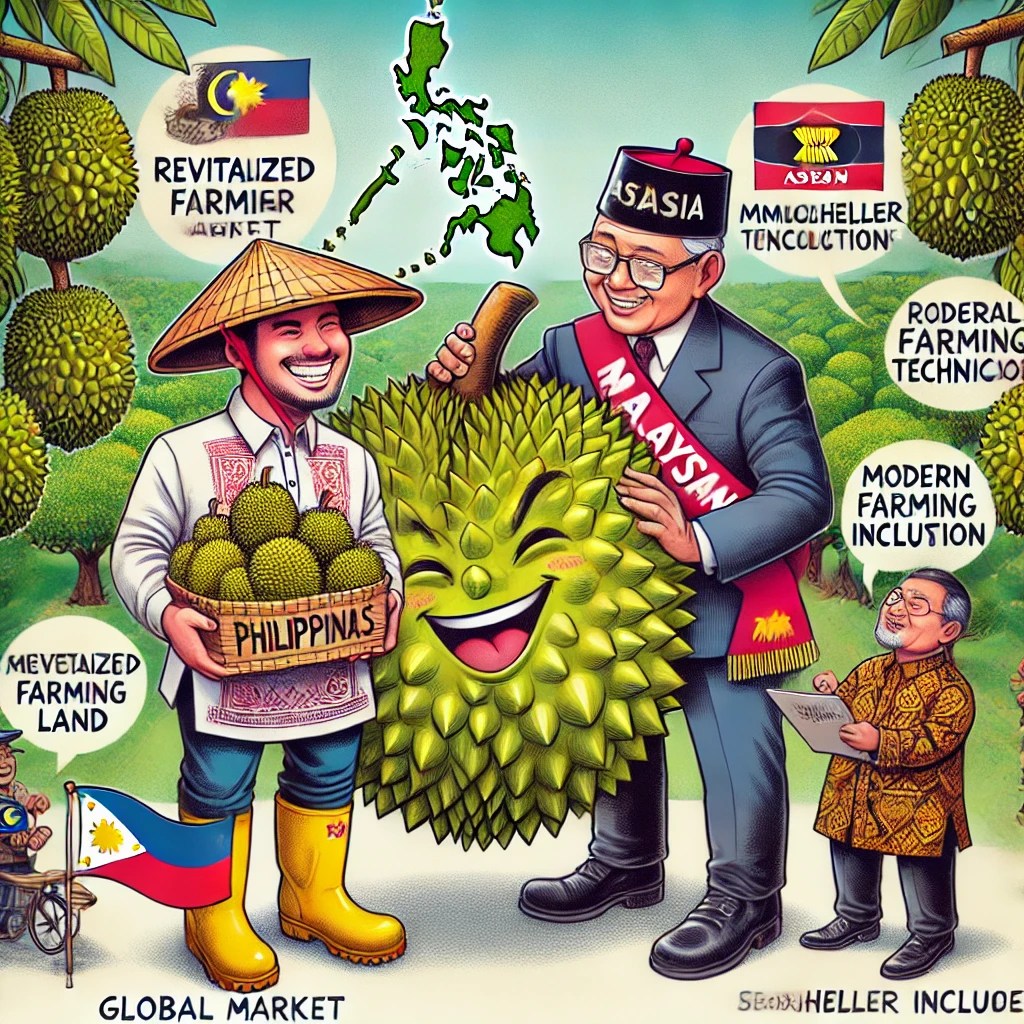
What if the Philippines could become Asia’s next durian hub? A newly signed MOU between Yovel East Research and Development, Inc. and Malaysia’s Bornion Green Sdn Bhd could turn this dream into reality. This game-changing partnership aims to transform local agriculture, giving Filipino farmers and rural communities a fresh start—and a stake in the global market.
The Big Picture: A Thriving Agricultural Landscape
Durian, often dubbed the “king of fruits,” holds immense potential for economic growth. By leveraging complementary harvesting seasons, this partnership enables the Philippines and Malaysia to meet global demand for durian year-round, positioning the region as a premier supplier. This not only diversifies the agricultural sector but also revitalizes underutilized farmlands, unlocking their productivity.
For Filipino farmers, this agreement provides unprecedented access to money, markets, and mentorship—a triad of support that empowers them to succeed. Beyond generating employment and raising incomes, the project integrates smallholders into the value chain, fostering inclusivity in agricultural development.
With global durian demand projected to grow, the Philippines has a unique opportunity to establish itself as a key player in the international market. This initiative aligns with the ASEAN Food Security Alliance’s goals, ensuring regional cooperation in food production and sustainability.
Opportunities for Filipinos: Jobs, Income, and Growth
Durian plantations promise to create thousands of jobs, particularly in rural areas where employment opportunities are scarce. From planting and harvesting to processing and export logistics, the industry will require a diverse and skilled workforce. For farmers, the partnership offers mentorship in modern cultivation techniques and access to funding through Land Bank of the Philippines’ Agrisenso Plus Lending Program.
Additionally, Filipino businesses can capitalize on downstream opportunities, such as producing value-added products like durian candies, pastries, and even cosmetics. This adds layers of economic activity and expands the reach of Filipino goods in international markets.
Challenges: Competition, Land, and Market Dynamics
Despite its promise, the agreement faces significant challenges:
- Competition: The Philippines must differentiate itself from established durian producers in Malaysia, Thailand, and Vietnam.
- Land Acquisition: Securing suitable farmlands without displacing existing communities or agricultural activities will be critical.
- Labor Shortages: Establishing plantations requires skilled workers, and there may be gaps in the availability of such expertise.
- Environmental Concerns: Large-scale durian farming could lead to deforestation, water overuse, and other ecological issues.
- Market Risks: Price fluctuations, changing consumer preferences, and export restrictions could impact profitability.
Practical Solutions: Mitigating Risks
To address these challenges, the following strategies should be considered:
- Collaborate with Existing Farmers: Rather than competing, Yovel East can partner with local farmers to share knowledge and integrate them into the supply chain.
- Government Incentives for Land Use: Policies encouraging the productive use of idle farmlands can ease land acquisition challenges.
- Training and Technology: Invest in training programs for farmers and adopt technologies like precision agriculture to improve efficiency.
- Sustainable Practices: Implement agroforestry models and water conservation techniques to minimize environmental impact.
- Market Diversification: Tap into both domestic and international markets while developing value-added products to stabilize demand.
The Durian Revolution: A Vision for a Thriving Philippine Agricultural Sector
The Yovel East-Bornion Green partnership is a beacon of what Philippine agriculture can achieve with collaboration, innovation, and commitment to sustainability. It reflects the country’s potential to not only feed its people but also contribute to global food supply chains.
The seeds of this partnership have been planted—now it’s up to us to nurture them into a harvest of progress. By equipping every Filipino farmer with the tools and support they need, we can cultivate not just durian plantations but also hope, prosperity, and a legacy of inclusive growth. The Philippines’ journey to becoming a global durian leader starts here, with all of us.

- ₱75 Million Heist: Cops Gone Full Bandit

- ₱6.7-Trillion Temptation: The Great Pork Zombie Revival and the “Collegial” Vote-Buying Circus

- ₱1.9 Billion for 382 Units and a Rooftop Pool: Poverty Solved, Next Problem Please

- ₱1.35 Trillion for Education: Bigger Budget, Same Old Thieves’ Banquet

- ₱1 Billion Congressional Seat? Sorry, Sold Out Na Raw — Si Bello Raw Ang Hindi Bumili

- “We Will Take Care of It”: Bersamin’s P52-Billion Love Letter to Corruption

- “Skewed Narrative”? More Like Skewered Taxpayers!

- “Scared to Sign Vouchers” Is Now Official GDP Policy – Welcome to the Philippines’ Permanent Paralysis Economy

- “Robbed by Restitution?” Curlee Discaya’s Tears Over Returning What He Never Earned
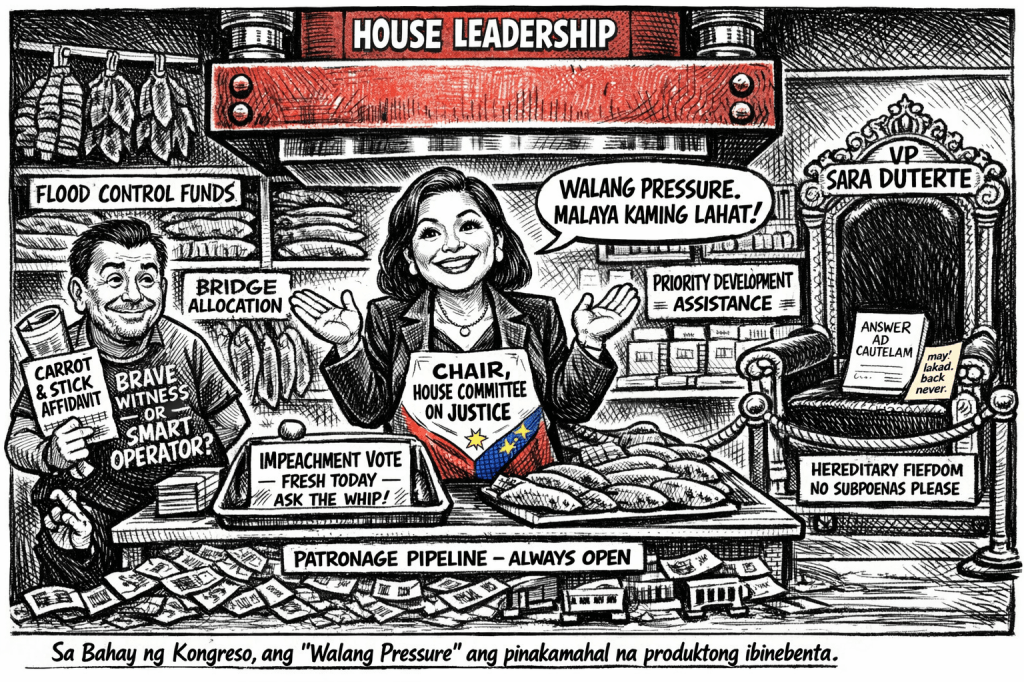
- “No Pressure” Luistro? The House Pork Bazaar Exposed
- “My Brother the President Is a Junkie”: A Marcos Family Reunion Special

- “Mapipilitan Akong Gawing Zero”: The Day Senator Rodante Marcoleta Confessed to Perjury on National Television and Thought We’d Clap for the Creativity





 KWEBA ni BAROK
Leave a comment