By Louis ‘Barok‘ C. Biraogo — January 26, 2025
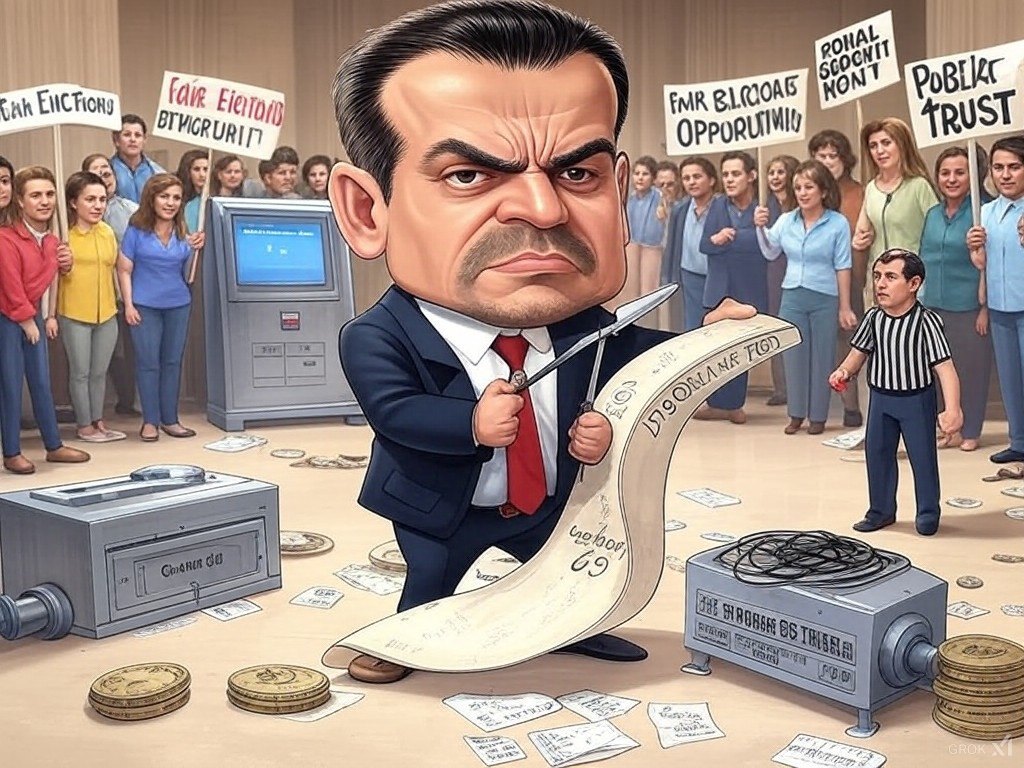
WHEN millions of pesos in taxpayer money go down the drain because of bureaucratic blunders, who’s held accountable? The Philippines’ Commission on Elections (Comelec) finds itself at the center of controversy, accused of unfairly disqualifying ‘nuisance candidates’ who met constitutional qualifications. Their decision to exclude these aspirants led to the printing of millions of ballots—only for the Supreme Court to reverse course, rendering the ballots worthless. Cost to the public? ₱132 million and a growing trust deficit.
This debacle underscores the urgent need to reexamine Section 69 of the Omnibus Election Code, which grants the Comelec the power to disqualify candidates deemed to lack a “bona fide intention” to run or whose candidacies might “put the election process in mockery or disrepute.” While the law’s intent—to prevent confusion and ensure the integrity of elections—is laudable, its implementation has been inconsistent, subjective, and, at times, counterproductive.
Why Reform is Urgent: Addressing the Flaws in the Nuisance Candidate Rule
1. Outdated Standards in a Modern Era
Section 69 was enacted in 1985, when manual voting was the norm. At the time, the risk of voter confusion was genuine, particularly when candidates shared similar names. Today, however, computerized voting machines have largely eliminated this issue. Voters select candidates from a digital list, reducing the likelihood of confusion. Yet, the Comelec continues to invoke Section 69, often without clear justification.
2. Inconsistent Application
The Comelec’s application of the nuisance candidate rule has been inconsistent at best. In the past, celebrities, comedians, and even convicted criminals have been elected to office without being labeled “nuisance candidates.” For instance, actors like Joseph Estrada and Ramon Revilla Sr. transitioned from entertainment to politics, winning elections despite lacking traditional political experience. Similarly, in the upcoming 2025 elections, several high-profile candidates with no prior political track record have filed their certificates of candidacy without facing disqualification. This inconsistency undermines the Comelec’s credibility and raises concerns about bias.
3. The Cost of Disqualification
The financial toll of the Comelec’s decisions is staggering. The ₱132 million wasted on unusable ballots is a stark reminder of the consequences of hasty disqualifications. Comelec Chairman George Garcia has stated that the commission will not seek additional funds from Congress, instead drawing from “other sources.” However, these “other sources” are still public funds, meaning taxpayers will ultimately bear the cost. This raises questions about fiscal responsibility and accountability.
4. Constitutional Concerns
Section 69’s vague criteria—such as determining a candidate’s “bona fide intention” to run—leave too much room for subjective interpretation. This risks violating the constitutional guarantee of “equal access to opportunities for public service” (Section 26, Article II of the Philippine Constitution). By disqualifying candidates based on perceived lack of resources or political machinery, the Comelec may inadvertently disenfranchise individuals who genuinely seek to serve but lack traditional political backing.
Balancing Perspectives: Responding to Concerns About Reform
Critics of reform might argue that removing the nuisance candidate rule could lead to overcrowded ballots and frivolous candidacies, potentially undermining the electoral process. While this is a valid concern, the solution lies not in arbitrary disqualifications but in clearer, more objective criteria. For example, requiring candidates to demonstrate a minimum level of public support—such as a threshold number of signatures—could help filter out unserious candidates without resorting to subjective judgments.
Building a Better System: Concrete Steps Toward Fair Elections
To address these issues, I propose the following reforms:
- Amend Section 69 of the Omnibus Election Code: The law should be updated to reflect the realities of modern elections. Clearer definitions of “bona fide intention” and “mockery or disrepute” are needed to reduce subjectivity. Additionally, the law should explicitly state that candidates cannot be disqualified solely due to lack of resources or political machinery.
- Implement a Signature Threshold: Requiring candidates to gather a minimum number of signatures from registered voters would ensure that only those with genuine public support appear on the ballot. This approach is more objective and less prone to abuse.
- Enhance Transparency and Accountability: The Comelec should publish detailed explanations for its decisions on nuisance candidates, including the specific criteria used. This would foster greater trust in the electoral process.
- Leverage Technology: With computerized voting machines, the risk of voter confusion is minimal. The Comelec should focus on improving voter education and ensuring that the voting process is accessible and user-friendly.
Time to Act: Why the Philippines Cannot Afford to Wait
The ₱132 million wasted on unusable ballots is more than a financial loss—it is a symbol of a system in need of reform. The Comelec’s current approach to nuisance candidates is outdated, inconsistent, and costly. By amending Section 69 and adopting more objective criteria, the Philippines can ensure a fairer, more transparent electoral process that truly reflects the will of the electorate.
Democracy demands accountability, and the time for excuses is over. The Comelec must take decisive action to restore the people’s faith—not tomorrow, not someday, but today. The integrity of our elections is not just a political issue; it is the lifeblood of our nation. The question is not whether we can afford to act but whether we can afford not to.

- ₱75 Million Heist: Cops Gone Full Bandit

- ₱6.7-Trillion Temptation: The Great Pork Zombie Revival and the “Collegial” Vote-Buying Circus

- ₱1.9 Billion for 382 Units and a Rooftop Pool: Poverty Solved, Next Problem Please

- ₱1.35 Trillion for Education: Bigger Budget, Same Old Thieves’ Banquet

- ₱1 Billion Congressional Seat? Sorry, Sold Out Na Raw — Si Bello Raw Ang Hindi Bumili

- “We Will Take Care of It”: Bersamin’s P52-Billion Love Letter to Corruption

- “Skewed Narrative”? More Like Skewered Taxpayers!

- “Scared to Sign Vouchers” Is Now Official GDP Policy – Welcome to the Philippines’ Permanent Paralysis Economy

- “Robbed by Restitution?” Curlee Discaya’s Tears Over Returning What He Never Earned

- “No Pressure” Luistro? The House Pork Bazaar Exposed
- “My Brother the President Is a Junkie”: A Marcos Family Reunion Special

- “Mapipilitan Akong Gawing Zero”: The Day Senator Rodante Marcoleta Confessed to Perjury on National Television and Thought We’d Clap for the Creativity




 KWEBA ni BAROK
Leave a comment