By Louis ‘Barok‘ C. Biraogo — January 28, 2025
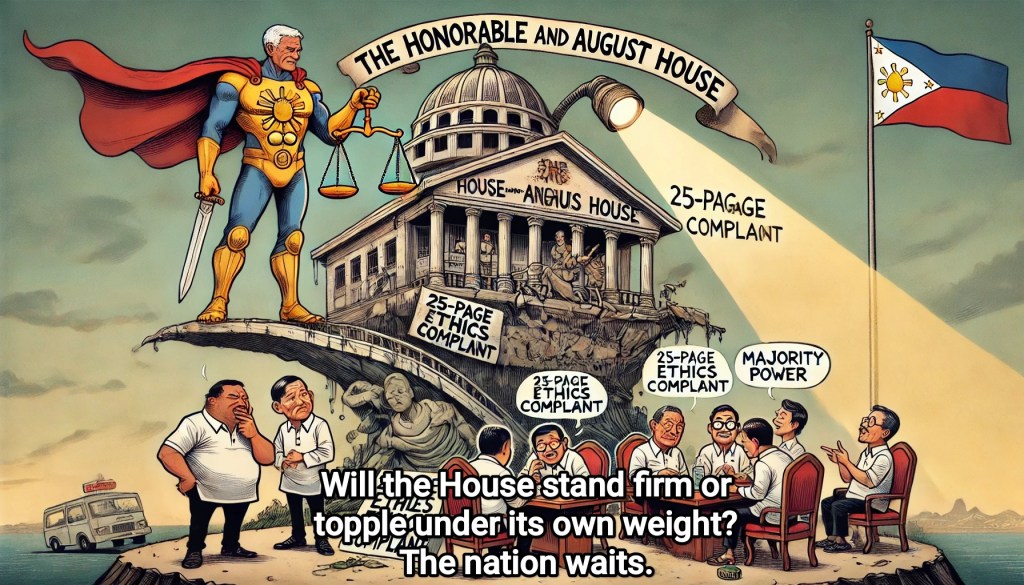
IN THE corridors of the Philippine House of Representatives, where ideals of integrity and justice are meant to shine, a fresh scandal threatens to cast another shadow. Atty. Ferdinand Topacio’s ethics complaint against Laguna Representative Dan Fernandez, filed on behalf of Cassandra Li Ong, has become more than just a legal maneuver—it is a piercing spotlight on whether lawmakers can truly uphold the standards they claim to defend. Is this a step toward accountability or another blow to a crumbling system of trust?
The Thin Line Between Inquiry and Intimidation: Unpacking the Fernandez Controversy
At the heart of the controversy lies the Quad Committee hearings on illegal Philippine Offshore Gaming Operators (POGOs). Atty. Topacio’s 25-page complaint alleges that Fernandez, in his capacity as a committee chairman, violated the Code of Conduct by denying Ong her right to counsel and interfering with her right to remain silent. These allegations strike at the core of constitutional protections enshrined in Article III, Section 12 and 14 of the Philippine Constitution, which safeguard the right against self-incrimination and the right to counsel.
Topacio’s narrative is damning: during the marathon hearings, Fernandez allegedly prevented him from advising Ong, surrounded her with staff to block communication, and even threatened to cite Topacio in contempt for attempting to fulfill his duty as counsel. This, Topacio argues, is not just a breach of House rules but a grave violation of constitutional rights. The complaint also highlights Fernandez’s unparliamentary conduct, including his dismissive remarks about Ong’s credibility, which further tarnished the dignity of the proceedings.
Fernandez, however, is not without defenses. He could argue that his actions were necessary to maintain order and ensure the efficiency of the legislative inquiry, a power granted to Congress under Article VI, Section 21 of the Constitution. He might also contend that there is no clear evidence of coercion or intentional denial of Ong’s rights. But these arguments, while plausible, must contend with the weight of Supreme Court precedents like Senate v. Ermita (2006), which affirmed that legislative inquiries are bound by constitutional limitations, including the right to due process.
The Consequences: From Reprimand to Expulsion
The stakes for Fernandez are high. The House Committee on Ethics and Privileges could dismiss the complaint if it finds the allegations unsubstantiated, but this seems unlikely given the gravity of the charges. More probable outcomes range from a formal reprimand to suspension or even expulsion. The severity of the consequences will hinge on several factors: the strength of the evidence, Fernandez’s defense, and the political dynamics at play.
Fernandez’s membership in the majority party could shield him from the harshest penalties. The committee, composed of four members from the ruling party and two from the minority, may be swayed by partisan loyalties. Yet, public opinion and media scrutiny could pressure the committee to act decisively. After all, the credibility of the House itself is on trial. If the committee dismisses the complaint or imposes a slap on the wrist, it risks further eroding public trust in an institution already plagued by allegations of corruption and impunity.
The Committee: A Guardian of Ethics or a Political Tool?
The House Committee on Ethics and Privileges is tasked with upholding the dignity and integrity of the House. But its composition raises questions about its impartiality. With a majority of members from the ruling party, the committee’s decision-making process is vulnerable to political influence. Will it prioritize justice over party loyalty? Or will it succumb to the pressures of maintaining political harmony?
The committee’s handling of this case will set a precedent for future ethics complaints. If it fails to hold Fernandez accountable, it risks sending a message that lawmakers are above the law. Conversely, a fair and transparent process could restore some measure of public confidence in the institution.
Healing the House: Practical Solutions to Prevent Future Controversies
To ensure accountability and transparency, the House Committee on Ethics and Privileges must conduct a thorough and impartial investigation. It should invite independent legal experts to weigh in on the constitutional and ethical issues at stake. The House leadership, for its part, must resist the temptation to politicize the process and instead prioritize the rule of law.
For the public, this case underscores the importance of vigilance. Citizens must demand accountability from their representatives and hold them to the highest ethical standards. Civil society organizations and the media have a crucial role to play in keeping the pressure on.
Finally, this controversy highlights the need for reforms. The House should revisit its rules to ensure that legislative inquiries respect the constitutional rights of witnesses. Clear guidelines on the role of counsel and the treatment of witnesses could prevent similar controversies in the future.
A Defining Test: The Fernandez Case and the Future of Congressional Accountability
The ethics complaint against Dan Fernandez is more than a legal battle—it is a test of the Philippine Congress’s commitment to accountability and the rule of law. As the House Committee on Ethics and Privileges deliberates, the nation watches with bated breath. Will the House rise to the occasion and prove that it can police its own? Or will this be another missed opportunity to restore public trust in Philippine institutions?
In the words of Atty. Topacio, “Are you really honorable? Are you really august?” The answer lies in the hands of the House. Let us hope they choose wisely.

- “Forthwith” to Farce: How the Senate is Killing Impeachment—And Why Enrile’s Right (Even If You Can’t Trust Him)

- “HINDI AKO NAG-RESIGN!”

- “I’m calling you from my new Globe SIM. Send load!”

- “Mahiya Naman Kayo!” Marcos’ Anti-Corruption Vow Faces a Flood of Doubt

- “Meow, I’m calling you from my new Globe SIM!”

- “No Special Jail for Crooks!” Boying Remulla Slams VIP Perks for Flood Scammers

- “PLUNDER IS OVERRATED”? TRY AGAIN — IT’S A CALCULATED KILL SHOT

- “Several Lifetimes,” Said Fajardo — Translation: “I’m Not Spending Even One More Day on This Circus”

- “Shimenet”: The Term That Broke the Internet and the Budget

- “We Did Not Yield”: Marcos’s Stand and the Soul of Filipino Sovereignty

- “We Gather Light to Scatter”: A Tribute to Edgardo Bautista Espiritu

- $150M for Kaufman to Spin a Sinking Narrative






 KWEBA ni BAROK
Leave a comment