By Louis ‘Barok‘ C. Biraogo — February 5, 2025
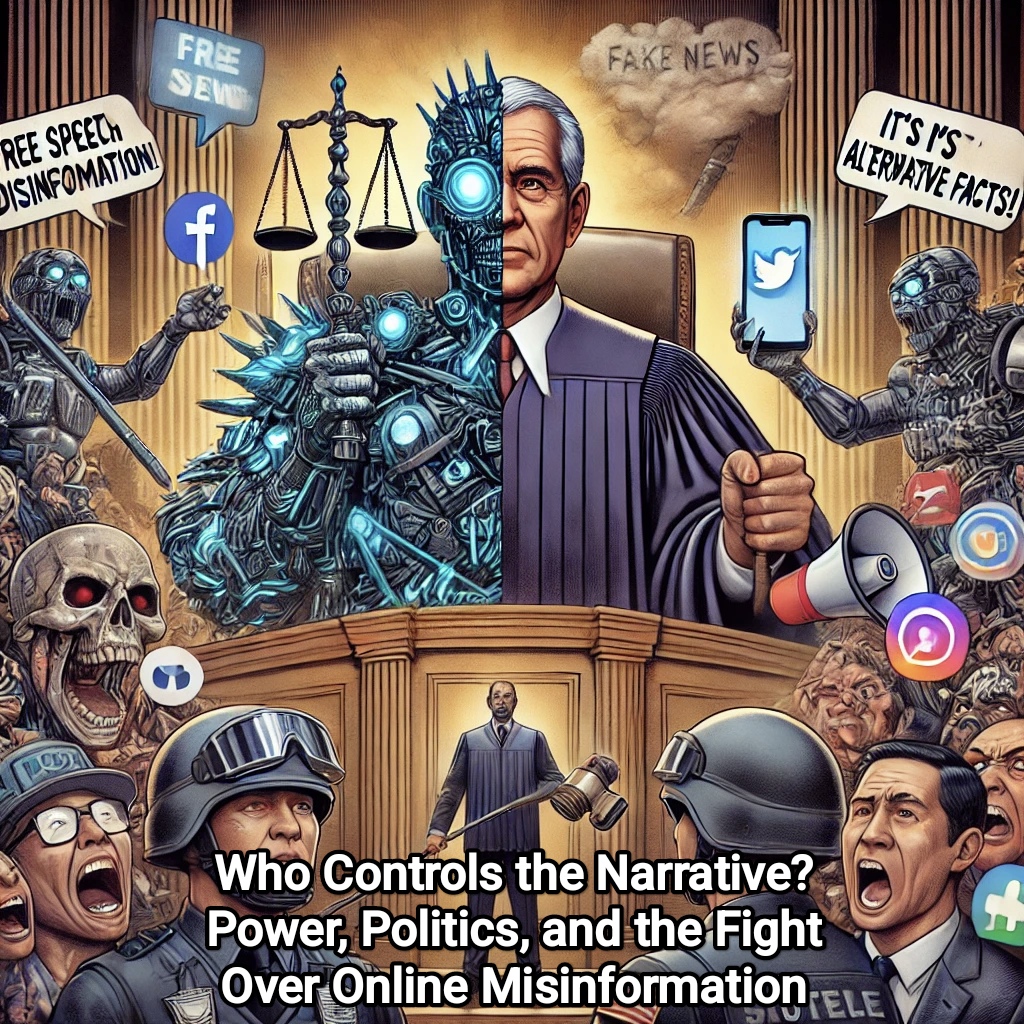
DEMOCRACY thrives on free speech—but what happens when that speech becomes a weapon of disinformation? As the Supreme Court weighs a Temporary Restraining Order (TRO) petition against Congress’s inquiry, it must decide: Is this oversight or overreach? The answer will shape not just the future of legislative power, but the very rules governing truth in the digital age.
Let’s break down the key issues and hidden dynamics that make this case a defining moment in Philippine democracy.
Free Speech vs. Accountability: The Petitioners’ Case for a TRO
The social media personalities who filed the petition argue that the congressional hearing is a form of intimidation and prior restraint. Their case hinges on several constitutional provisions and Supreme Court precedents:
- Violation of Free Speech (Article III, Section 4, 1987 Constitution)
- The petitioners claim that the House’s summons creates a chilling effect on online discourse, discouraging critical commentary out of fear of government retaliation.
- Precedent: Chavez v. Gonzales (2008) emphasized that government actions restricting free speech are presumptively unconstitutional unless justified by compelling state interests.
- Lack of Due Process (Article III, Section 1, 1987 Constitution)
- The petitioners argue that they were summoned without clear guidelines or legal safeguards, making the hearing an arbitrary exercise of power.
- Precedent: In Senate v. Ermita (2005), the Supreme Court ruled that while Congress has investigative powers, they must respect due process rights.
- Overbroad and Vague Standards
- The petitioners fear that the congressional inquiry could lead to broad and undefined regulations on online speech, subjecting them to political persecution.
But here’s where things get murky. Many of these petitioners—such as Lorraine Badoy-Partosa and Krizette Laureta Chu—are politically aligned influencers who have benefited from the very disinformation ecosystem Congress seeks to regulate. Are they truly defending free speech, or are they simply resisting accountability for their role in shaping political narratives?
The House’s Justification: Oversight or Political Retaliation?
The House of Representatives, led by Rep. Robert Ace Barbers, insists that the hearing is a legitimate exercise of legislative oversight aimed at combating disinformation. Their arguments rest on:
- Congressional Oversight Power (Article VI, Section 21, 1987 Constitution)
- The House has the constitutional authority to conduct inquiries in aid of legislation, especially when dealing with matters of public concern.
- Precedent: Arroyo v. De Venecia (2001) affirmed Congress’s power to conduct investigations to craft laws.
- Public Interest in Curbing Disinformation
- The government argues that online disinformation has real-world consequences, from election manipulation to threats against public officials.
- Precedent: Courts have recognized that free speech is not absolute, especially when it incites violence or spreads deliberate falsehoods (Gonzales v. COMELEC, 1969).
- No Actual Suppression of Speech
- The House argues that the invitation does not prevent the petitioners from expressing their opinions—it merely seeks their input in an official inquiry.
However, we cannot ignore the political motivations at play. Rep. Barbers himself has been a target of online attacks, accused of being a drug lord—a claim he links to these very influencers. Does this hearing serve public interest or is it a vendetta cloaked in legislative authority?
Beyond the Likes: The Ethical Obligations of Social Media Influencers
Beyond the legal battlefield, there is a larger ethical question: What responsibility do social media personalities have in shaping public discourse?
- Freedom of expression does not equal freedom from accountability. Social media personalities with large followings influence public perception, elections, and policymaking. When they spread false or misleading information, the consequences can be severe.
- Ethical standards should apply to influencers, just as they do to journalists. Traditional media outlets adhere to ethical guidelines to ensure accuracy and fairness—shouldn’t online influencers face similar standards, especially when they function as political propagandists?
In the absence of legal regulation, should platforms like Facebook, X (formerly Twitter), and TikTok enforce stronger disinformation policies? Or would that open the door to censorship and political bias?
Power Dynamics and Hidden Agendas: Who Really Benefits?
The deeper we dig, the clearer it becomes that this case is not just about free speech—it is about political power.
1. The Petitioners: Political Operatives in Disguise?
Many of the petitioners have served as key online influencers for the Duterte and Marcos camps. Their opposition to the hearing may not stem from principle but from the fear that exposure could weaken their political influence.
2. Congress: Weaponizing Oversight?
While disinformation is a legitimate concern, it is hard to ignore the House’s selective interest in online attacks against its own members. Why has Congress not scrutinized state-sponsored troll farms or disinformation from government allies? If the goal is to regulate online speech fairly, it cannot be selective enforcement.
3. The Supreme Court: An Institutional Balancing Act
The Supreme Court faces a crucial decision—one that will set a precedent for the future of digital free speech in the Philippines.
- A ruling in favor of the TRO could weaken Congress’s ability to regulate online disinformation.
- A ruling in favor of Congress could embolden lawmakers to summon critics at will, leading to potential abuses of power.
The Court’s decision will shape how power is exercised in the digital age—will it tilt towards greater government oversight, or will it fortify online platforms as free-speech havens, even at the risk of misinformation?
Finding Common Ground: Recommendations for a More Balanced Approach to Social Media and Politics
To navigate this constitutional and ethical quagmire, three key stakeholders must act wisely:
1. The Supreme Court: Establish Clear Boundaries
- The Court should reject the TRO if it finds that Congress is acting within its legitimate oversight functions.
- However, it should also issue guidelines limiting congressional power to prevent harassment of individuals under the guise of legislative hearings.
2. Congress: Broaden the Inquiry, Not Just Target Critics
- The House should ensure that any proposed social media regulation applies universally, including pro-government disinformation campaigns.
- Transparency is key—if the hearing is truly about policy, not revenge, it should include independent experts, journalists, and tech platforms, not just those accused of spreading falsehoods.
3. The Public: Demand Ethical Standards from Influencers
- Filipinos must recognize the power of online narratives and demand accountability from digital influencers who profit from disinformation.
- Digital literacy campaigns should be strengthened to help citizens distinguish legitimate criticism from coordinated disinformation.
The Digital Age of Dissent: Free Speech and the Future of Philippine Politic
This legal battle is about more than a TRO against a congressional hearing—it is about defining the rules of engagement in the information wars of the 21st century.
The Philippine Supreme Court’s decision will set the tone for how legislative oversight, free speech, and digital accountability interact in the years to come. The question is not just who wins this case, but whether we emerge with a system that ensures both the protection of individual rights and the integrity of public discourse.
For now, the battle lines are drawn, but the real fight—for truth, accountability, and a functioning democracy—has only just begun.

- ₱75 Million Heist: Cops Gone Full Bandit

- ₱6.7-Trillion Temptation: The Great Pork Zombie Revival and the “Collegial” Vote-Buying Circus

- ₱1.9 Billion for 382 Units and a Rooftop Pool: Poverty Solved, Next Problem Please

- ₱1.35 Trillion for Education: Bigger Budget, Same Old Thieves’ Banquet

- ₱1 Billion Congressional Seat? Sorry, Sold Out Na Raw — Si Bello Raw Ang Hindi Bumili

- “We Will Take Care of It”: Bersamin’s P52-Billion Love Letter to Corruption
- “Skewed Narrative”? More Like Skewered Taxpayers!

- “Scared to Sign Vouchers” Is Now Official GDP Policy – Welcome to the Philippines’ Permanent Paralysis Economy
- “Robbed by Restitution?” Curlee Discaya’s Tears Over Returning What He Never Earned
- “My Brother the President Is a Junkie”: A Marcos Family Reunion Special

- “Mapipilitan Akong Gawing Zero”: The Day Senator Rodante Marcoleta Confessed to Perjury on National Television and Thought We’d Clap for the Creativity
- “Just Following Orders” Is Dead: How the Hague Just Turned Tokhang’s Finest Into International Fugitives

 KWEBA ni BAROK
Leave a comment