
By Louis ‘Barok‘ C. Biraogo — February 6, 2025
IMPEACHMENT in the Philippines is never just a legal process—it’s a high-stakes political bloodsport. With the House of Representatives making the unprecedented move to impeach Vice President Sara Duterte, the nation is bracing for a showdown that could redefine power in Manila. Is this a genuine reckoning for corruption, or just another chapter in the long playbook of political survival? As the Senate prepares for its next move, the biggest question looms: Will this be Duterte’s downfall, or her grand comeback?
Public Opinion: The Undercurrent of Impeachment
The role of public opinion in impeachment is like an unpredictable tide—capable of carrying a leader to disgrace or washing away even the most damning allegations. The Philippine Constitution lays out the legal framework, but in practice, impeachment is less about law and more about political calculus. Lawmakers read the mood of the electorate as much as they study the articles of impeachment.
History offers compelling precedents. In 2001, Joseph Estrada’s presidency crumbled under the weight of public fury, culminating in People Power II. Yet in 2012, Chief Justice Renato Corona faced a different landscape: while public opinion played a role, it was backroom deals and political maneuvering that sealed his fate. The lesson? Public sentiment matters, but it must be paired with strategic action.
Surveys now indicate that more Filipinos favor Duterte’s removal than oppose it—a warning sign for the Vice President. If the outrage over her alleged misuse of confidential funds hardens into a national demand for accountability, senators will find it harder to vote for acquittal without political consequences. The question is whether this outrage will persist or be drowned out by Duterte’s counteroffensive.
Strategies & Political Maneuvering: A Clash of Narratives
Both Duterte and her accusers have assembled their arsenals. Each move they make will shape the battlefield.
Duterte’s Playbook:
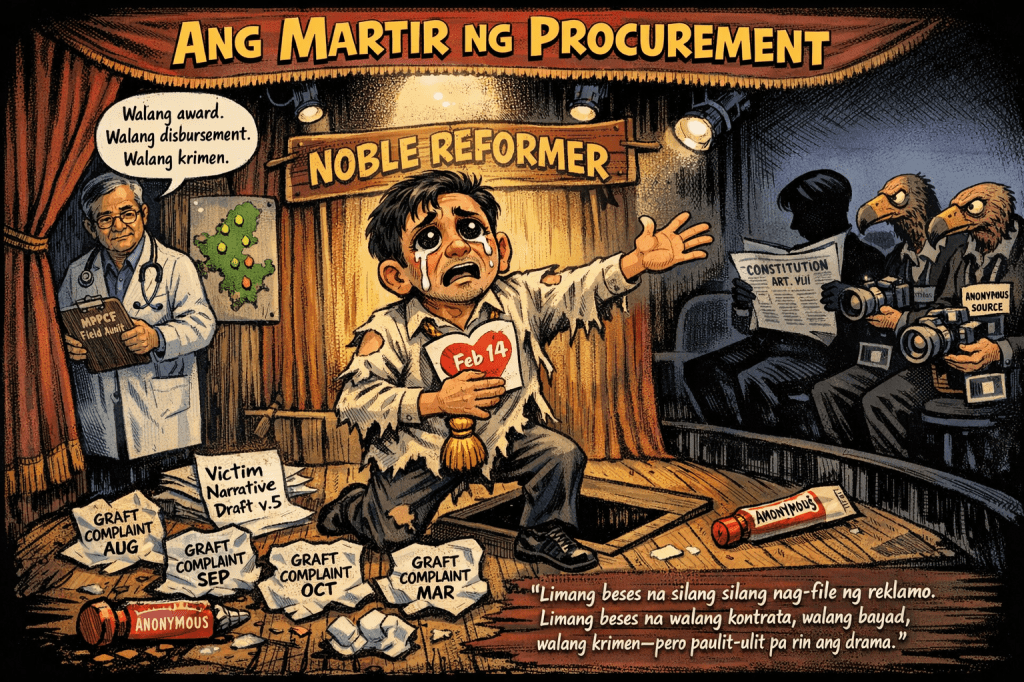
- The Martyr Card – Duterte’s first line of defense is the time-tested Duterte playbook: portraying herself as the victim of a politically motivated witch hunt. She will argue that the impeachment is an elite-driven attempt to erase her father’s legacy, a message likely to resonate with Mindanaoan voters and loyalists who see her as a warrior against the establishment.
- Weaponizing Social Media – As her father did before her, Duterte will deploy an aggressive social media campaign, seeking to control the narrative. She may use influencers, meme warfare, and disinformation tactics to discredit her opponents and muddy the waters.
- Regionalism & Political Alliances – Mindanao remains Duterte’s stronghold, and she will leverage regional loyalty to rally support. If she secures backing from key power brokers, she may be able to fracture the opposition’s unity.
- Turning the Tables – Expect counterattacks. Duterte’s camp will likely dredge up scandals involving her accusers, framing them as hypocrites who are no less corrupt or self-serving.
The Impeachment Petitioners’ Strategy:
- Sustained Public Pressure – The petitioners’ strongest weapon is momentum. They must sustain public outrage and ensure the impeachment remains a dominant issue in media coverage.
- Legal and Ethical Framing – While Duterte will frame impeachment as politics, her accusers must emphasize that this is about accountability. By painting Duterte’s alleged actions—confidential fund misuse, bribery, threats—as systemic abuses rather than personal misconduct, they can make the case that allowing her to remain in office sets a dangerous precedent.
- Coalition-Building – Duterte’s opponents must broaden their coalition, drawing in independent lawmakers, civil society groups, and even disillusioned former Duterte supporters. The more diverse the anti-Duterte front, the harder it will be to dismiss impeachment as a partisan attack.
- Senate Influence Operations – Ultimately, senators will decide Duterte’s fate. The petitioners must persuade at least two-thirds of the Senate to convict—a daunting task. Quiet lobbying, deal-making, and targeted pressure on vulnerable senators will be crucial.
Impeachment’s Peril and Promise: A High-Stakes Game for Both Sides
For Duterte, the impeachment trial is a defining moment. If she is acquitted, she can reframe herself as a political survivor, using the ordeal as a launchpad for future electoral battles. However, an acquittal does not guarantee rehabilitation—Estrada was impeached but never fully recovered politically. A conviction, on the other hand, would be catastrophic, potentially ending her political career and weakening the Dutertismo brand.
For the petitioners, impeachment is a double-edged sword. A conviction would be a landmark victory for anti-corruption forces, but failure could backfire spectacularly. If Duterte survives, she could emerge more powerful, using the failed impeachment to argue that the accusations were baseless. Worse, a failed impeachment might demoralize reformist forces, reinforcing the idea that accountability in the Philippines is a mirage.
Proactive Approaches: The Art of Political Navigation
For Duterte:
- Temper the Attack Dog Strategy – While going on the offensive is necessary, excessive aggression could alienate moderates.
- Seek Backroom Deals – Duterte must secure commitments from senators early. Waiting until the trial begins would be a mistake.
- Control the Narrative Early – A preemptive, well-coordinated media strategy will be crucial in shaping public perception.
For the Petitioners:
- Keep the Issue Simple – Instead of a laundry list of offenses, focus on the most egregious, easily understood allegations (e.g., misuse of funds).
- Use Every Media Platform Available – Traditional media, social media, international press—every outlet must be utilized to sustain public interest.
- Divide and Conquer Duterte’s Allies – If key figures in the administration can be convinced that Duterte is a liability, they may be persuaded to turn against her.
The Verdict? It’s Still Up in the Air
Sara Duterte’s impeachment is not just a legal process—it’s a stress test for Philippine democracy. The coming weeks will reveal whether the Senate bows to public pressure or whether political survival instincts take precedence.
For Duterte, the trial is a battle for redemption or ruin. For her opponents, it is a fight against impunity—but also a gamble.
In the end, impeachment in the Philippines is not about truth or justice—it is about who holds the reins of power. And power, as history reminds us, does not fade willingly. It adapts, it resists, and sometimes, it returns stronger than before.

- “Forthwith” to Farce: How the Senate is Killing Impeachment—And Why Enrile’s Right (Even If You Can’t Trust Him)

- “HINDI AKO NAG-RESIGN!”

- “I’m calling you from my new Globe SIM. Send load!”

- “Mahiya Naman Kayo!” Marcos’ Anti-Corruption Vow Faces a Flood of Doubt

- “Meow, I’m calling you from my new Globe SIM!”

- “No Special Jail for Crooks!” Boying Remulla Slams VIP Perks for Flood Scammers

- “PLUNDER IS OVERRATED”? TRY AGAIN — IT’S A CALCULATED KILL SHOT

- “Several Lifetimes,” Said Fajardo — Translation: “I’m Not Spending Even One More Day on This Circus”

- “Shimenet”: The Term That Broke the Internet and the Budget

- “We Did Not Yield”: Marcos’s Stand and the Soul of Filipino Sovereignty

- “We Gather Light to Scatter”: A Tribute to Edgardo Bautista Espiritu

- $150M for Kaufman to Spin a Sinking Narrative






 KWEBA ni BAROK
Leave a comment