
By Louis ‘Barok’ C Biraogo — February 21, 2025
THE birth of Chick 31, Riley, is a milestone for the Philippine Eagle Foundation (PEF)—but it’s also a distraction. While we applaud this small success, the Philippine Eagle’s survival hinges on addressing the root causes of its decline: habitat destruction, poaching, and systemic neglect. Without tackling these issues, Riley’s story is just another chapter in a losing battle.
Captive Breeding: A False Hope for the Philippine Eagle?
Artificial insemination and controlled breeding may look like the holy grail of species conservation, but history warns us against placing too much faith in captive breeding programs alone. Riley’s birth follows the heartbreak of Chick 30’s premature death—a stark reminder that survival rates remain precarious.
More importantly, the real battlefield isn’t inside the walls of the PEF’s breeding facility—it’s in the shrinking forests of Mindanao, where habitat destruction, illegal hunting, and lax environmental policies continue to decimate wild eagle populations. Raising chicks in a controlled setting means little if they have nowhere to go once they’re ready to spread their wings.
The Challenges of Reintroduction: A Critical Look
Breeding in captivity is one thing; successfully reintegrating eagles into the wild is an entirely different beast. Birds raised in captivity often lack the necessary survival instincts. Without rigorous pre-release training programs and carefully monitored reintroductions, these eagles could become easy targets for poachers or succumb to starvation.
The PEF’s reintroduction efforts remain clouded. How many captive-bred eagles have been released into the wild, and what percentage have survived? Without transparent reporting on these figures, how can we gauge the true success of the program?
Beyond Good Intentions: A Conservation Model in Need of Reform
Another concern: corporate sponsorships. Riley’s adoption by Eagle Cement Corporation raises a red flag. While corporate funding is necessary, it also creates a dependency that may compromise conservation priorities. Is PEF’s breeding program genuinely focused on species recovery, or has it become a marketing opportunity for companies eager to greenwash their image?
More troubling is the Philippine government’s conspicuous absence in fully supporting conservation efforts. While countries like the United States and China pour millions into eagle conservation, the Philippines lags behind, outsourcing much of the burden to NGOs. If the PEF’s efforts are to be truly sustainable, government agencies must take a more active role—through stronger legal protections, increased funding, and a comprehensive national strategy for Philippine Eagle conservation.
Toward a Sustainable Future: A New Approach to Conservation
If we are serious about saving the Philippine Eagle, conservation efforts must go beyond the artificial insemination lab. Here’s what needs to change:
- Expand Genetic Diversity – The PEF should establish collaborations with international breeding programs to prevent inbreeding and ensure a healthier captive population.
- Invest in Habitat Restoration – Without addressing deforestation and land conversion, captive breeding is a futile exercise. Protecting existing eagle habitats should be the top priority.
- Develop Robust Pre-Release Training – Eagles must be prepared for the wild through controlled exposure to natural environments, hunting simulations, and predator avoidance training.
- Enhance Community Engagement – Local communities should be enlisted as conservation allies, benefiting economically from sustainable ecotourism and conservation-related employment.
- Improve Transparency and Accountability – The PEF must release comprehensive reports on breeding successes, reintroduction survival rates, and the long-term impact of its programs.
Because Hope Is Not Enough
The birth of Riley is indeed a moment to celebrate—but only if it serves as a catalyst for a broader, more effective conservation strategy. The Philippine Eagle cannot survive on good intentions alone. Without systemic changes, Chick 31 may one day become just another name on a list of lost hopes. It’s time to shift the focus from artificial insemination to real, lasting solutions that ensure these magnificent birds continue to soar through Philippine skies for generations to come.

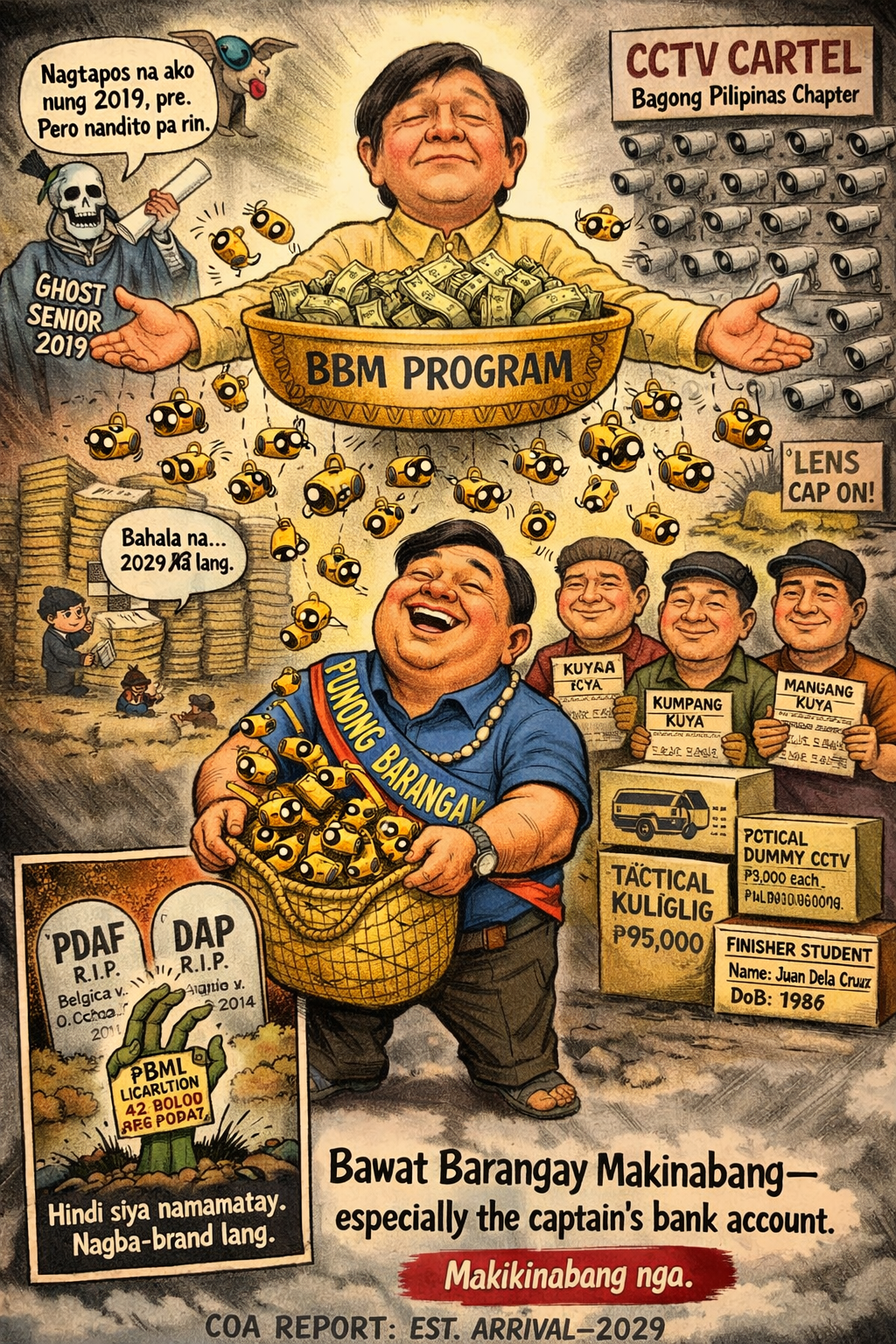
- ₱8B BBM Pork: CCTV for Every Captain’s Kumpare?

- ₱75 Million Heist: Cops Gone Full Bandit

- ₱6.7-Trillion Temptation: The Great Pork Zombie Revival and the “Collegial” Vote-Buying Circus

- ₱1.9 Billion for 382 Units and a Rooftop Pool: Poverty Solved, Next Problem Please

- ₱1.35 Trillion for Education: Bigger Budget, Same Old Thieves’ Banquet

- ₱1 Billion Congressional Seat? Sorry, Sold Out Na Raw — Si Bello Raw Ang Hindi Bumili

- “We Will Take Care of It”: Bersamin’s P52-Billion Love Letter to Corruption

- “Skewed Narrative”? More Like Skewered Taxpayers!

- “Scared to Sign Vouchers” Is Now Official GDP Policy – Welcome to the Philippines’ Permanent Paralysis Economy

- “Robbed by Restitution?” Curlee Discaya’s Tears Over Returning What He Never Earned

- “No Pressure” Luistro? The House Pork Bazaar Exposed
- “My Brother the President Is a Junkie”: A Marcos Family Reunion Special





 KWEBA ni BAROK
Leave a comment