By Louis ‘Barok‘ C. Biraogo — February 20, 2025
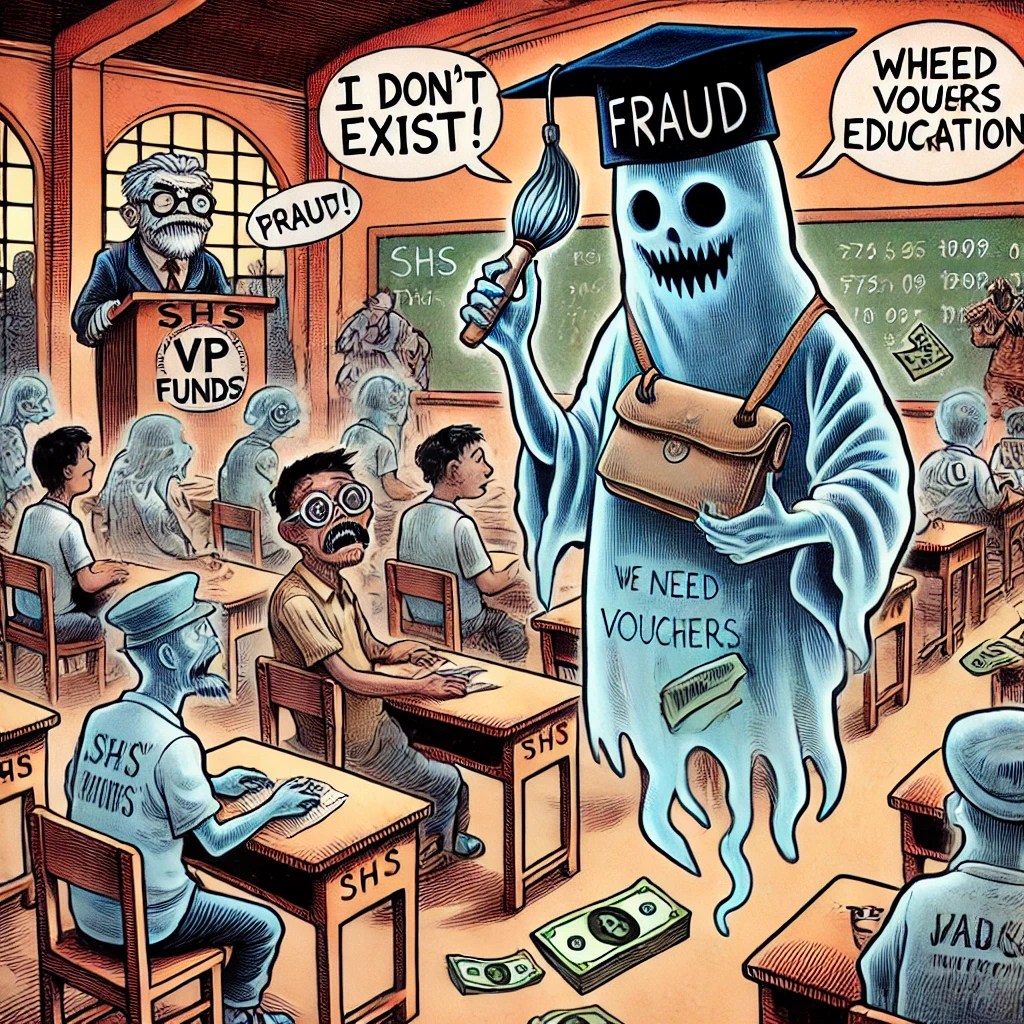
IN THE shadows of the Philippine education system, a silent heist is unfolding. Fraudulent private schools and their DepEd accomplices have been cashing in on the Senior High School Voucher Program (SHS VP), a government initiative designed to help students access quality private education, by enrolling students who don’t exist. Millions—possibly billions—of pesos meant for real students have been funneled into ghost accounts, turning a program designed for learning into a gold mine for corruption.
Legal Implications: When Fraud Steals from the Future
At its core, the alleged “ghost students” scheme is a clear-cut violation of multiple laws, including the Anti-Graft and Corrupt Practices Act (RA 3019) and the Code of Conduct and Ethical Standards for Public Officials and Employees (RA 6713). The fraudulent listing of non-existent students to siphon government subsidies could constitute malversation of public funds, falsification of public documents, and conspiracy to commit fraud—all criminal offenses under Philippine law.
The courts have long held that “ghost employees” in government payrolls constitute a form of corruption. This precedent suggests that the guilty parties—whether school administrators, complicit DepEd officials, or private sector collaborators—could face criminal charges, administrative sanctions, and civil liabilities.
But legal repercussions alone won’t fix this. The real question is: how did we get here, and why does this keep happening?
Ethical Breach: Betrayal in the Halls of Learning
Public education is meant to be the great equalizer. The Senior High School Voucher Program (SHS VP) was designed to bridge the gap between public and private education, ensuring that students—regardless of economic status—could access quality learning. Instead, it has been exploited by individuals who saw an opportunity not to educate, but to enrich themselves.
This isn’t just fraud; it’s an abuse of trust. Every peso stolen in this scam is a peso taken from real students who struggle to afford tuition, books, and daily school expenses. The ethical breach here is staggering: institutions tasked with shaping young minds are instead exploiting the very system meant to help them.
Political Fallout: A Crisis of Confidence
This scandal places President Ferdinand Marcos Jr.’s administration—and particularly DepEd Secretary Sonny Angara—under immense scrutiny. The government’s response will shape public perception not only of DepEd’s integrity but also of its commitment to genuine education reform.
Corruption in education is not new in the Philippines. The ghost scholars of previous administrations, the textbook procurement anomalies, and the recurring reports of misused education funds all suggest a systemic failure. The public is watching closely: Will this administration truly root out corruption, or will this be another case of selective accountability?
Beyond Investigations: Real Reform is Needed
DepEd’s investigation is a start, but real reforms are long overdue. Here’s what must be done:
- Strengthen Audit Mechanisms: Independent third-party audits should be mandatory for education subsidy programs. AI-driven tracking and blockchain-based verification can ensure that every voucher is linked to a real, verifiable student.
- Public Transparency and Whistleblower Protections: DepEd must release full reports on its findings and protect whistleblowers who expose corruption. Secretive investigations without public accountability will only breed more skepticism.
- Revamp Accreditation and Oversight of Private Schools: Schools found guilty should face not just disqualification but criminal liability. DepEd must introduce real-time student verification systems to prevent fake enrollments.
- End the Culture of Impunity: If past scandals have taught us anything, it’s that corruption thrives when perpetrators believe they can get away with it. The government must ensure actual convictions—not just press releases about investigations.
Beyond Words: The Cost of Inaction
This isn’t just about fraudulent vouchers. It’s about whether the Philippine government can truly safeguard public funds for education. It’s about whether we are willing to hold accountable those who betray our children’s future. It’s about whether we accept corruption as an inevitable part of governance—or fight to dismantle it.
The fate of Philippine education depends not just on policies, but on the courage to enforce them without fear or favor. And if the government fails to act decisively, the real victims won’t just be numbers on a falsified roster. They’ll be an entire generation denied the education they deserve.

- ₱8B BBM Pork: CCTV for Every Captain’s Kumpare?
- ₱75 Million Heist: Cops Gone Full Bandit

- ₱6.7-Trillion Temptation: The Great Pork Zombie Revival and the “Collegial” Vote-Buying Circus

- ₱1.9 Billion for 382 Units and a Rooftop Pool: Poverty Solved, Next Problem Please

- ₱1.35 Trillion for Education: Bigger Budget, Same Old Thieves’ Banquet
- ₱1 Billion Congressional Seat? Sorry, Sold Out Na Raw — Si Bello Raw Ang Hindi Bumili

- “We Will Take Care of It”: Bersamin’s P52-Billion Love Letter to Corruption

- “Skewed Narrative”? More Like Skewered Taxpayers!

- “Scared to Sign Vouchers” Is Now Official GDP Policy – Welcome to the Philippines’ Permanent Paralysis Economy
- “Robbed by Restitution?” Curlee Discaya’s Tears Over Returning What He Never Earned
- “No Pressure” Luistro? The House Pork Bazaar Exposed
- “My Brother the President Is a Junkie”: A Marcos Family Reunion Special




 KWEBA ni BAROK
Leave a comment