
By Louis ‘Barok‘ C. Biraogo — March 2, 2025
AT 8:47 PM on February 27, 2025, a brand-new bridge in Isabela—built at a staggering cost of P1.225 billion—collapsed into the river below, swallowing a father’s truck and leaving six others fighting for their lives, including a child. This wasn’t an act of God or some unforeseen disaster; it was negligence, plain and simple. The steel that crumbled wasn’t just metal—it was trust. Trust in the systems meant to protect us, to build a better future. And now, what remains is not just debris but a haunting question: How many more lives will we sacrifice to corruption and incompetence?
A Familiar Tragedy in a Long Line of Cracks
This isn’t our first heartbreak. Cast your mind back to the Clarin Bridge in Bohol, which collapsed in 2022, killing four. Built in the 1970s, it was 50 years old, battered by a 2013 quake, and strained beyond its limits by overloaded trucks. The DPWH’s own data then revealed a grim truth: of 4,361 bridges nationwide, only 51% were in “good” condition, while 5% teetered on the edge of collapse. Or recall the Wawa Bridge in Pangasinan, which gave way that same year under overburdened weight, injuring four. Each time, we heard promises of inspections, probes, accountability. Each time, the echoes faded—until now, when the Isabela collapse, a bridge not even seasoned by decades, demands we stop looking away.
A Nation Demands Answers: The Legal Reckoning
The National Bureau of Investigation is digging into this mess, and they’ve got a hefty legal toolbox. The Anti-Graft and Corrupt Practices Act (Republic Act No. 3019) looms large—Section 3(e) could nail anyone who caused “undue injury” to the public through “gross negligence” or “bad faith” in approving substandard work. If corners were cut to line pockets, that’s a prison sentence waiting to happen. Then there’s the Government Procurement Reform Act (Republic Act No. 9184), which mandates fair bidding and quality delivery. If R.D. Interior Jr. Construction or DPWH officials rigged the process—say, by fudging specs or pocketing kickbacks—Section 65 promises up to 15 years behind bars. President Marcos Jr.’s vow that “heads will roll” isn’t just rhetoric; the law backs him up. But will it?
Engineering Fumbles and Regulatory Blind Spots
The DPWH says the bridge was designed for 45 tons per vehicle. That dump truck? 102 tons. Overloading is a villain here, no doubt. But let’s not stop there. A bridge finished in 2025, after a decade of construction and retrofitting, shouldn’t buckle like a house of cards under one rogue load. Was the design flawed from the start—underestimating real-world traffic? Were the materials substandard, swapped out for cheaper substitutes while invoices sang a different tune? The DPWH’s Mathias Malenab admits they’re probing the “whole integrity of the structure.” Good. Because if fatigue life was miscalculated or inspections skipped, this wasn’t just an accident—it was a setup.
Regulation failed us too. Trucks don’t roll at 102 tons without someone looking the other way. Where were the weigh stations? The traffic enforcers? The local officials who knew what rumbled across that bridge daily? This collapse didn’t happen in a vacuum; it happened in a system that’s gotten too comfortable with cutting corners.
The Cancer of Corruption: How Deep Does the Rot Go?
Corruption isn’t a hunch—it’s a documented plague. Studies peg it at eating 15-35% of construction budgets in the Philippines, siphoning billions into private hands. The Isabela bridge, at P1.225 billion, might’ve lost up to P428 million to “other costs”—payoffs to dodge delays or secure contracts. The CoST Initiative’s two-decade review found this isn’t new: procurement is a cesspool of bid-rigging, and oversight is a ghost. Former senator Panfilo “Ping” Lacson, a voice of blunt reason, suspects substandard materials. He’s not wrong to wonder. When a bridge collapses after 27 days, you don’t just blame the truck—you blame the hands that built it.
This isn’t abstract. It’s the truck driver’s widow, wondering how to pay for her kids’ school. It’s the child in the hospital, whose scars will outlast this scandal. Corruption doesn’t just steal money—it steals lives.
From Broken Systems to Bold Solutions: Anti-Corruption Measures That Deliver
We can fix this, but it won’t be easy. Here’s how:
- Shine a Light: Mandate public disclosure of every peso spent, every contractor hired, every spec approved. Online platforms can track it all—let us see it, audit it, call it out.
- Independent Watchdogs: Create an autonomous oversight body— engineers, lawyers, citizens—not beholden to DPWH or local politicos, with teeth to investigate and punish.
- Tech It Up: Digitize procurement and payments. E-systems cut human meddling; blockchain could lock in transparency. No more cash-stuffed envelopes.
- Jail Time, Every Time: Enforce RA 3019 and RA 9184 with zero tolerance. Convict one big fish— a contractor, an official—and watch the rest swim straight.
- Empower Us: Train communities to monitor projects. Give whistleblowers ironclad protection. When we’re the eyes, corruption blinks first.
Why Progress Stalls: The Uphill Battle Facing the Philippines
Here’s the rub: our laws are solid, but enforcement is jelly. Officials dodge accountability with impunity baked into the system—political ties shield them, resources starve agencies like the NBI. Transparency? Some will fight it tooth and nail, fearing their gravy train derails. Tech costs money, and expertise is thin. Worse, too many of us shrug at corruption as “just how it is.” That’s the toughest nut to crack—our own cynicism.
Your Move, Philippines
So, what now? Demand the NBI’s probe names names—contractors, engineers, inspectors—and fast-tracks charges. Push Chel Diokno’s call for alternate routes and aid to victims; hold the DPWH to its promise of a full structural autopsy. Civil society—Akbayan, NGOs—can sue for negligence under RA 3019, forcing courts to act. You, yes you, can join community watchdogs, report overloaded trucks, flood X with photos of crumbling roads. Reform-minded officials like Lacson can draft bills for those independent overseers and digital tools.
This bridge didn’t just collapse—it exposed us. But it also lit a fuse. Let’s not let it fizzle. For that missing driver, for that scarred child, for every peso we’ve lost—let’s build something stronger than steel: a system that works for us, not against us.

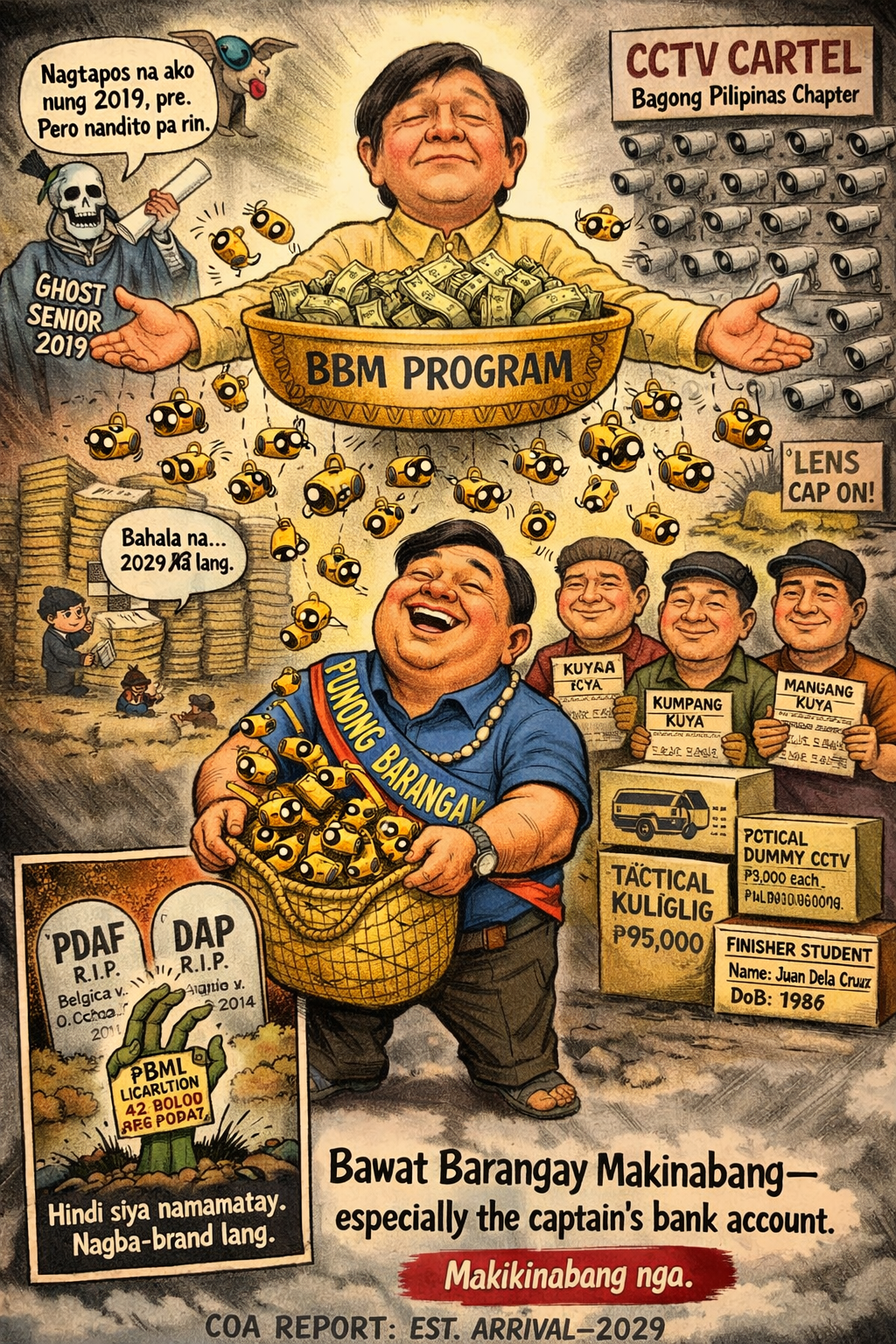
- ₱8B BBM Pork: CCTV for Every Captain’s Kumpare?
- ₱75 Million Heist: Cops Gone Full Bandit

- ₱6.7-Trillion Temptation: The Great Pork Zombie Revival and the “Collegial” Vote-Buying Circus

- ₱1.9 Billion for 382 Units and a Rooftop Pool: Poverty Solved, Next Problem Please

- ₱1.35 Trillion for Education: Bigger Budget, Same Old Thieves’ Banquet

- ₱1 Billion Congressional Seat? Sorry, Sold Out Na Raw — Si Bello Raw Ang Hindi Bumili

- “We Will Take Care of It”: Bersamin’s P52-Billion Love Letter to Corruption

- “Skewed Narrative”? More Like Skewered Taxpayers!

- “Scared to Sign Vouchers” Is Now Official GDP Policy – Welcome to the Philippines’ Permanent Paralysis Economy
- “Robbed by Restitution?” Curlee Discaya’s Tears Over Returning What He Never Earned

- “No Pressure” Luistro? The House Pork Bazaar Exposed
- “My Brother the President Is a Junkie”: A Marcos Family Reunion Special


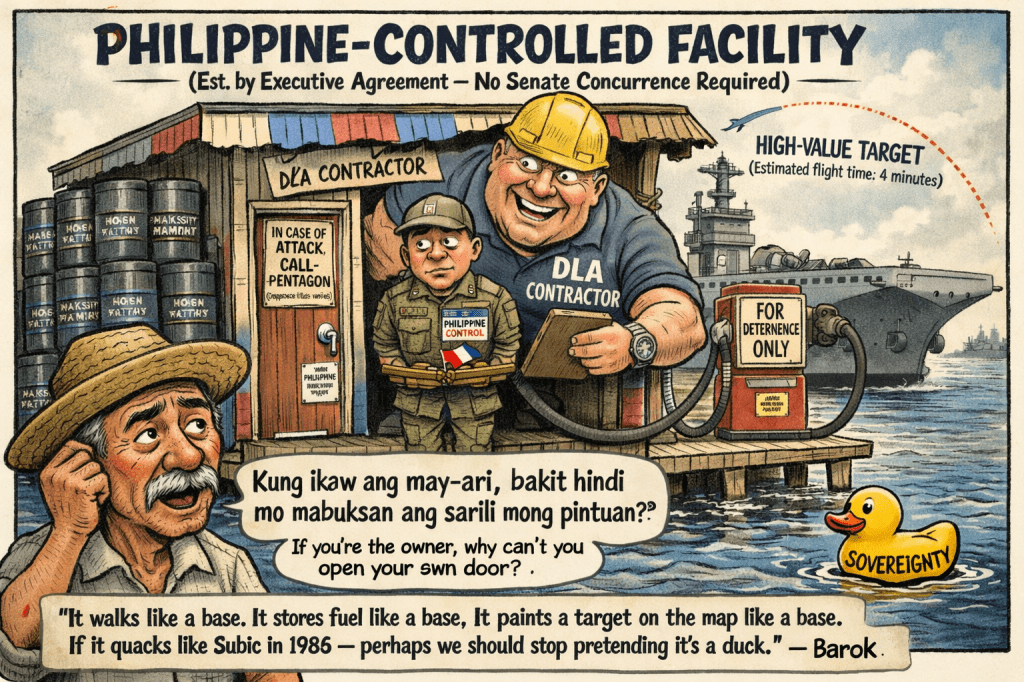
 KWEBA ni BAROK
Leave a comment