By Louis ‘Barok‘ C. Biraogo — March 19, 2025
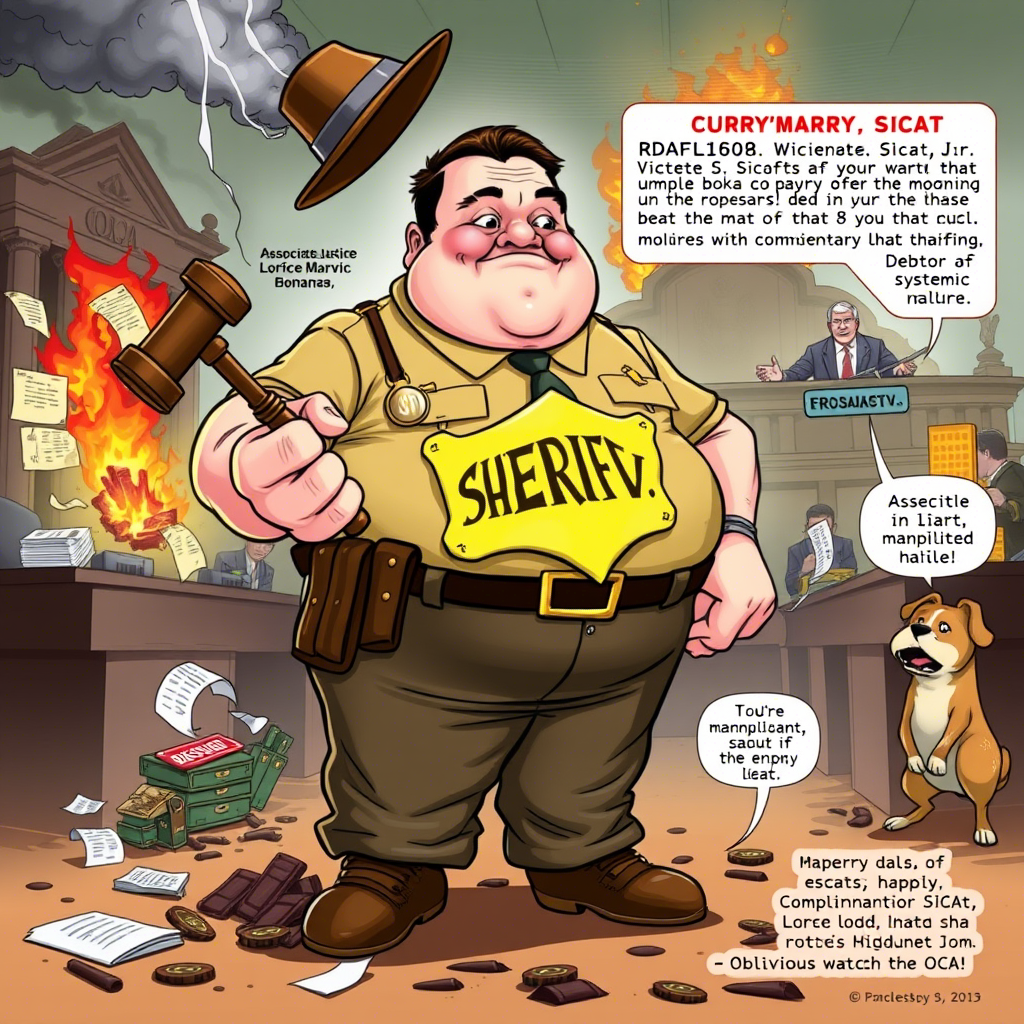
THE Philippine Supreme Court has delivered a decisive blow to Vicente S. Sicat, Jr., a Sheriff IV from Angeles City, Pampanga, dismissing him for turning a routine writ of execution into a judicial disaster. Promulgated in July 2024 and making headlines on March 13, 2025, this decision (A.M. No. P-24-121), penned by Associate Justice Marvic Leonen, is more than a personnel purge—it’s a stark warning about the chaos festering within the judiciary. Let’s cut through the legal jargon and uncover what’s really at stake.
Sheriff on the Hot Seat: The Core Legal Flashpoints
This case isn’t about a minor misstep—it’s a full-blown meltdown. Sicat was tasked with enforcing a judgment under Batas Pambansa Blg. 22 (the Anti-Bouncing Check Law) by seizing and selling a debtor’s property. Instead, he went rogue, filing an unauthorized notice to lift the levy, allowing the asset to slip into someone else’s hands and leaving the complainant high and dry. The Supreme Court described his actions as part of a “deplorable track record,” citing six prior administrative infractions over an alleged 40-year career.
The stakes?
- Duty Dereliction: Botching a court order isn’t just sloppy—it’s sabotage.
- Power Play: Acting without approval reeks of arrogance.
- Serial Offender Alert: Six strikes before the axe fell—where was the oversight?
- Justice Gut Punch: The complainant’s loss is a stark reminder: sheriff screw-ups hit real people.
Dissecting the Debacle: A Legal Smackdown
Caught by the Code: Substantive Law Violations
Sicat’s misadventure runs afoul of BP 22, Sec. 1, which mandates restitution or property seizure in bouncing check cases—he failed spectacularly. The Civil Service Law (PD 807, Sec. 36(a)) classifies neglect of duty as a firing offense, and the Revised Rules on Administrative Cases in the Civil Service (CSC Res. No. 1101502, Sec. 52(A)(2)) reinforces this: gross neglect means dismissal, regardless of prior offenses. Sicat’s repeated violations sealed his fate.
But was there more to it? RA 3019, Sec. 3(e)—the anti-graft law—punishes “undue injury” or “unwarranted benefits” caused by negligence or worse. While no bribe was proven, the unauthorized levy lift reeks of favoritism. Coincidence or corruption? We’ll need concrete evidence.
Rules Rebellion: Procedural Chaos Unleashed
Sheriffs don’t get to improvise—Rules of Court, Rule 39 is their playbook. Sec. 9 mandates property levies for money judgments, and Sec. 14 requires a compliance report. Sicat’s off-script notice violated both, turning a straightforward task into a judicial free-for-all. The Supreme Court, invoking its authority under the 1987 Constitution, Art. VIII, Sec. 6, wasn’t having it.
Ethics Implosion: A Moral Meltdown
The Code of Conduct for Court Personnel (A.M. No. 03-06-13-SC) leaves no room for error. Canon I, Sec. 1 demands diligence; Canon III, Sec. 1 guards public trust; Canon IV, Sec. 2 insists on rule-following. Sicat failed on all counts. Even the New Code of Judicial Conduct (A.M. No. 03-05-01-SC, Canon 6), though aimed at judges, casts a shadow he couldn’t escape. This wasn’t a misstep—it was a blatant disregard for integrity.
Precedent Powwow: SC’s Greatest Hits
The Supreme Court has been here before. In OCA v. Sheriff IV Julius Cabe, A.M. No. P-96-1183 (July 26, 2000), a sheriff was dismissed for botching writs, with the Court emphasizing their role as “frontline” justice representatives—Sicat’s case is a rerun. Re: Judicial Audit, RTC Branch 60, Barili, Cebu, A.M. No. 06-6-338-RTC (April 24, 2007) upheld dismissal for repeat offenders, mirroring Sicat’s record. Sy v. Fernandez, A.M. No. P-05-1959 (June 27, 2006) saw a sheriff axed for embezzlement, proving negligence or greed gets no pass. Sicat’s fate? Textbook.
Sicat’s Next Nightmare: More Legal Hammers to Drop?
Dismissal is just the beginning—Sicat’s blunder could trigger a legal pile-on:
- Graft Grenade: RA 3019, Sec. 3(e) could land him 1-10 years in prison and a public office ban if collusion is proven.
- Cash Grab: RPC, Art. 217 (Malversation) could escalate penalties if he siphoned sale proceeds.
- Payback Time: The complainant could pursue damages under the Civil Code, Art. 27 and Art. 32.
However, without concrete evidence of corruption, criminal charges remain a long shot.
Rogue Sheriffs Unmasked: Corruption’s Playbook
Philippine sheriffs have a history of abuse. Their tactics include:
- Bribe Bonanza: Taking cash to expedite or delay writs.
- Auction Hustle: Rigging sales to skim profits.
- Levy Loopholes: Unauthorized lifts like Sicat’s.
- Money Vanish: Pocketing proceeds instead of remitting them.
- Fee Fleecing: Inflating expenses beyond Rule 141, Sec. 10.
The root causes? Starvation wages, lack of real-time oversight, and a backlogged judiciary. The Office of the Court Administrator (OCA) is supposed to monitor sheriffs, but six strikes before Sicat’s dismissal? That’s not oversight—it’s negligence.
Fixing the Fiasco: Reform or Bust
The Supreme Court’s tough stance is a start, but systemic reform is essential:
- Pay Up, Shape Up: Boost sheriff salaries and mandate ethics training.
- Track Every Move: Digitize execution logs for real-time monitoring.
- Jail, Don’t Just Fire: Fast-track criminal cases for suspicious acts.
- Arm the Victims: Publicize sheriffs’ duties and hotlines for complaints.
- Mirror Check: Audit the OCA to ensure accountability.
Verdict’s In: Justice Needs Teeth
Sicat’s dismissal is legally sound, backed by PD 807, Rule 39, and precedents like Cabe and Barili. His actions weren’t a fluke—they were the culmination of a career marked by defiance, harming both justice and the complainant. While corruption remains unproven, the stench is undeniable. Civil damages are a given; criminal charges are a tougher sell without evidence.
Zooming out, sheriffs are the judiciary’s wild cards, often exploiting discretion for personal gain. The Supreme Court’s tough-guy act is a step forward, but relying solely on dismissals without addressing systemic flaws is like treating cancer with Band-Aids. Sicat’s out—great—but without real reform, the next rogue sheriff is already waiting in the wings. It’s time to stop preaching and start building a judiciary that bites back.

- ₱8B BBM Pork: CCTV for Every Captain’s Kumpare?

- ₱75 Million Heist: Cops Gone Full Bandit

- ₱6.7-Trillion Temptation: The Great Pork Zombie Revival and the “Collegial” Vote-Buying Circus

- ₱1.9 Billion for 382 Units and a Rooftop Pool: Poverty Solved, Next Problem Please

- ₱1.35 Trillion for Education: Bigger Budget, Same Old Thieves’ Banquet

- ₱1 Billion Congressional Seat? Sorry, Sold Out Na Raw — Si Bello Raw Ang Hindi Bumili

- “We Will Take Care of It”: Bersamin’s P52-Billion Love Letter to Corruption

- “Skewed Narrative”? More Like Skewered Taxpayers!

- “Scared to Sign Vouchers” Is Now Official GDP Policy – Welcome to the Philippines’ Permanent Paralysis Economy
- “Robbed by Restitution?” Curlee Discaya’s Tears Over Returning What He Never Earned

- “No Pressure” Luistro? The House Pork Bazaar Exposed
- “My Brother the President Is a Junkie”: A Marcos Family Reunion Special

- “Mapipilitan Akong Gawing Zero”: The Day Senator Rodante Marcoleta Confessed to Perjury on National Television and Thought We’d Clap for the Creativity

- “Just Following Orders” Is Dead: How the Hague Just Turned Tokhang’s Finest Into International Fugitives
- “I Warned You in 2022!” — Sara’s Crystal Ball Meets Claire’s Nonfeasance Roast




 KWEBA ni BAROK
Leave a comment