By Louis ‘Barok‘ C. Biraogo — March 21, 2025
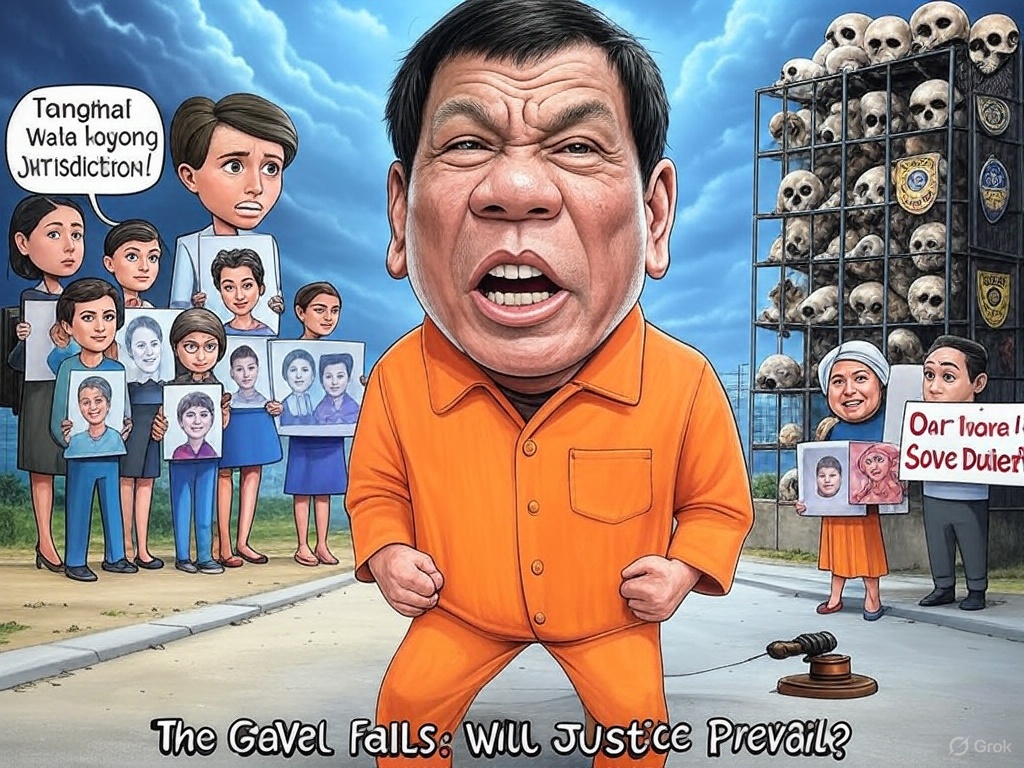
THE jet’s engines roared as Rodrigo Duterte, the once-untouchable strongman, was flown out of the Philippines under the cold glare of international justice. On March 11, 2025, the former president—hailed by some, feared by many—was delivered to The Hague, facing charges of crimes against humanity for his bloody drug war. A week later, the nation’s conscience was put to the test. A Social Weather Stations (SWS) survey delivered a stunning verdict: 51% demand accountability, 25% remain loyal, and the rest drift in uncertainty. This is more than just public opinion—it’s a nation caught between the weight of history and the pull of allegiance. The world is watching. Which way will the Philippines turn?
Blood on the Streets: The Drug War’s Gruesome Roots
Duterte’s story begins not in the presidential palace but in Davao City, where as mayor he allegedly honed a template of vigilante justice—the Davao Death Squad, a shadowy force linked to hundreds of killings. When he ascended to the presidency in 2016, he scaled that model nationwide, vowing to eradicate drugs with a ferocity that chilled human rights advocates. “If you know of any addicts, go ahead and kill them yourself,” he once barked, words that echoed through police stations and back alleys alike. Official tallies admit to over 6,000 deaths in drug operations, but human rights groups whisper a darker truth: 30,000 lives snuffed out, many by extrajudicial means—vigilantes and cops planting guns, widows left to mourn in silence.
The war on drugs was Duterte’s signature, a campaign that won him adoration from those who saw it as a purge of chaos and dread from those who saw a tyrant’s hand. It targeted the urban poor—men like Kian delos Santos, a 17-year-old gunned down in 2017, a rare case that pierced the veil of impunity when three officers were convicted. Yet for every Kian, countless others vanished into the night, unreported, unavenged. By 2019, the Philippines had withdrawn from the ICC, Duterte thumbing his nose at global scrutiny. But the court pressed on, and now, in 2025, he sits in custody, charged with murder spanning his mayoralty and presidency—a first for an Asian leader.
Voices in the Void: A Nation Splits Apart
The SWS survey, conducted February 15–19, 2025, with 1,800 voices from Metro Manila to Mindanao, reveals a Philippines split down the middle. Fifty-one percent demand accountability, a slim majority pulsing with outrage or perhaps weariness. In the Visayas, that figure surges to 62%, and in Northern Luzon, 60%—regions where the drug war’s toll may have hit hardest, far from Duterte’s Mindanao stronghold, where only 47% agree. Rural areas edge out urban ones, 52% to 48%, a subtle rift that hints at deeper divides: perhaps rural folk, battered by crime, feel the betrayal more keenly than city dwellers numbed by chaos.
Yet 25% still shield Duterte, a loyalty forged in the crucible of his populism. In Mindanao, his political cradle, support lingers—47% isn’t far from half, a testament to his iron grip as a leader who delivered order, however bloody. Some see the drug war as a grim necessity; a 2016 SWS poll showed 77% approved of his early tenure, a nostalgia that endures. Others distrust the ICC, viewing it as a Western meddler in a nation that quit the court six years ago. Then there’s the 14% who waver and the 10% who shrug—lost in a haze of misinformation or the sheer weight of the question. This isn’t just data; it’s a human tapestry of grief, allegiance, and confusion.
Justice or Mirage: The Human Cost Unraveled
The human rights toll of Duterte’s crusade is staggering. Amnesty International and Human Rights Watch paint a grim portrait: bodies in the streets, families shattered, a justice system cowed into complicity. Most victims were poor, their deaths dismissed as collateral damage in a war on “addicts.” Duterte’s own words—comparing himself to Hitler, vowing to “slaughter” millions—fueled a culture of impunity. Yet domestically, accountability has been a mirage. Only a handful of cases, like the 2024 conviction of officers in the 2016 Bonifacio killings, have broken through, and even then, the system groans under political pressure.
Enter the ICC, a pharos for some, a lightning rod for others. Duterte’s arrest on March 11, 2025, and his video-link appearance three days later, mark a historic pivot. Charged with murder as a crime against humanity, he faces a confirmation hearing in September—a slow burn toward justice or a prolonged standoff. But the court’s reach is contested; the Philippines’ 2019 exit muddies its jurisdiction, though pre-withdrawal crimes remain fair game. Critics cry foul, pointing to the Duterte-Marcos feud—President Ferdinand Marcos Jr.’s green light for the arrest smells of political score-settling. And the ICC itself, battered by U.S. sanctions and enforcement woes, stakes its credibility on this case, a glimmer of hope or a fragile gamble.
Ripple or Rupture: A Nation’s Destiny Teeters on the Edge
Duterte’s fall reverberates beyond The Hague. In Manila, allies decry persecution while foes cheer a long-delayed reckoning, a divide mirrored in the SWS numbers. The Senate, led by Senator Imee Marcos, probes the arrest, a political theater that could sway the 2025 midterms. The 51%–25% split isn’t just opinion—it’s a fault line that could shape policies on law enforcement and human rights. Will the Philippines double down on iron-fisted order, or pivot toward justice? Mindanao’s softer stance and the rural-urban rift suggest a nation still wrestling with Duterte’s legacy—order at what cost?
Globally, this is a test case. If Duterte is convicted, it could embolden the ICC to chase other strongmen, balancing sovereignty against accountability. If he walks, it’s a blow to a court already on shaky ground. For Filipinos, the stakes are personal: every percentage point in that survey is a widow, a child, a voter pondering what kind of country they’ll leave behind.
Breaking the Silence: A Call to Act
This moment demands more than suspense—it cries for action. First, the Philippines must unearth its own truth. A domestic truth commission, independent and fearless, could document the drug war’s toll, giving voice to the silenced—30,000 or 6,000, the number matters less than the names. Second, education is a lifeline. That 10% who “don’t know enough” and 14% who waver need facts, not propaganda—schools, media, and civil society must bridge the gap, turning apathy into awareness.
Third, justice can’t stop at Duterte. The police and vigilantes who pulled triggers must face courts, not just in The Hague but in the Philippines, where impunity festers. Strengthen the judiciary, shield it from politics, and let it breathe. Finally, the world must step up. The ICC needs teeth—member states should fund it, enforce it, and fend off meddlers like the U.S. Philippines could even rejoin, signaling a commitment to global norms.
The Verdict of History
Picture a mother in the Visayas, her son’s body cold from a midnight raid, nodding yes to accountability. Picture a farmer in Mindanao, safer now from drug peddlers, shaking his head no. Picture the 24% caught in between, unsure if justice is a gavel in The Hague or a memory left to fade. Duterte’s fate isn’t just his—it’s theirs, and ours. The Philippines stands at a precipice, and the world holds its breath. Will it leap toward redemption, or cling to the ghosts of its past? The answer lies not in polls, but in the courage to face what’s been done—and what must be done next.

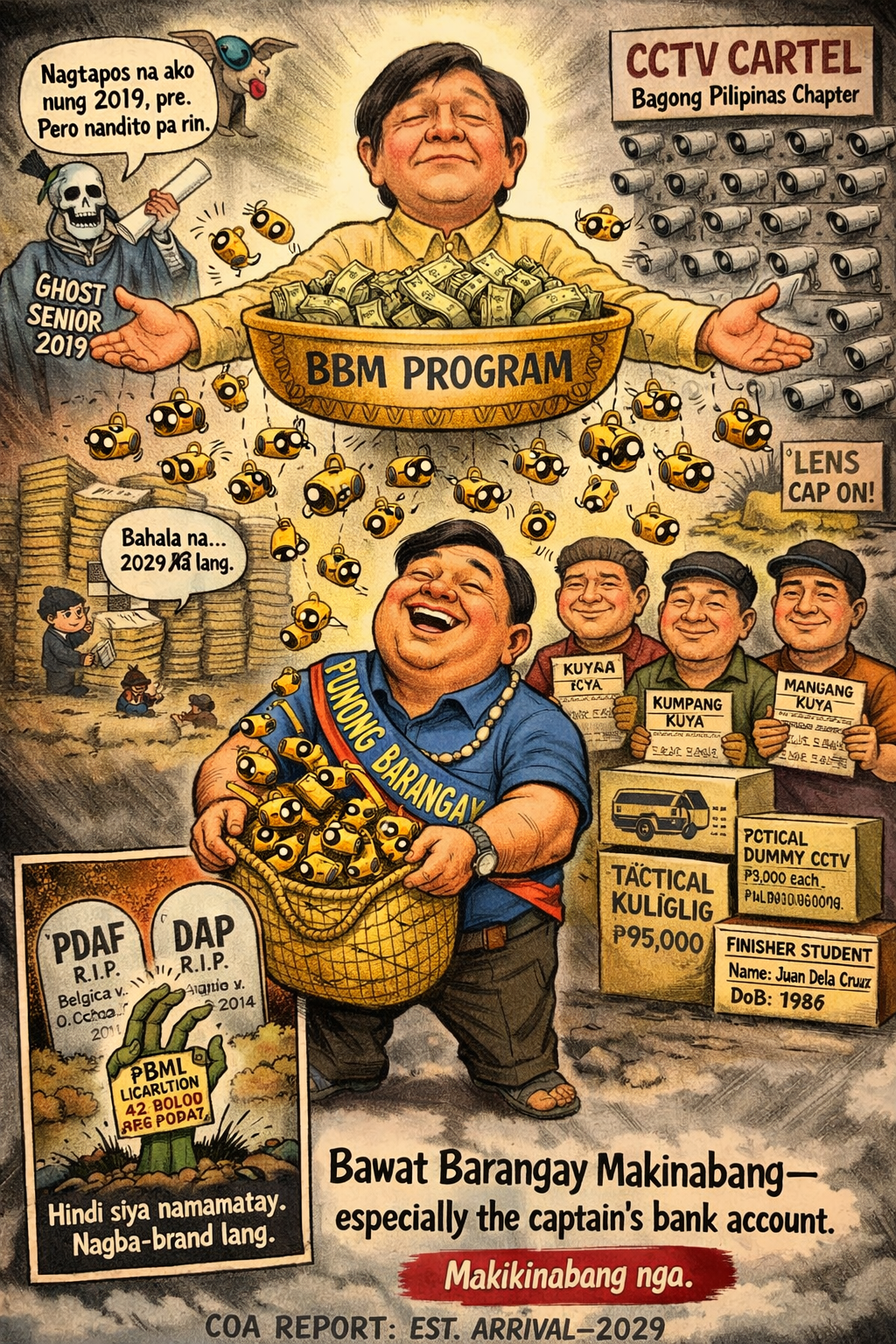
- ₱8B BBM Pork: CCTV for Every Captain’s Kumpare?
- ₱75 Million Heist: Cops Gone Full Bandit

- ₱6.7-Trillion Temptation: The Great Pork Zombie Revival and the “Collegial” Vote-Buying Circus

- ₱1.9 Billion for 382 Units and a Rooftop Pool: Poverty Solved, Next Problem Please

- ₱1.35 Trillion for Education: Bigger Budget, Same Old Thieves’ Banquet
- ₱1 Billion Congressional Seat? Sorry, Sold Out Na Raw — Si Bello Raw Ang Hindi Bumili

- “We Will Take Care of It”: Bersamin’s P52-Billion Love Letter to Corruption
- “Skewed Narrative”? More Like Skewered Taxpayers!

- “Scared to Sign Vouchers” Is Now Official GDP Policy – Welcome to the Philippines’ Permanent Paralysis Economy
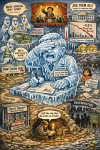
- “Robbed by Restitution?” Curlee Discaya’s Tears Over Returning What He Never Earned
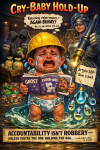
- “No Pressure” Luistro? The House Pork Bazaar Exposed
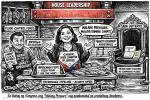
- “My Brother the President Is a Junkie”: A Marcos Family Reunion Special


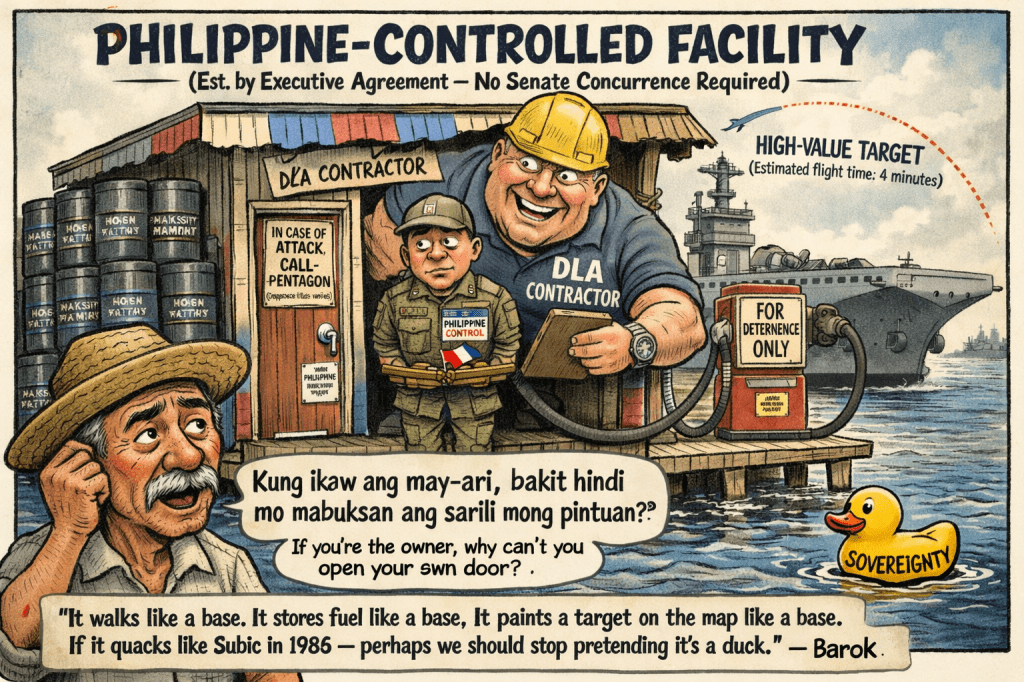
 KWEBA ni BAROK
Leave a comment