By Louis ‘Barok‘ C. Biraogo — March 25, 2025
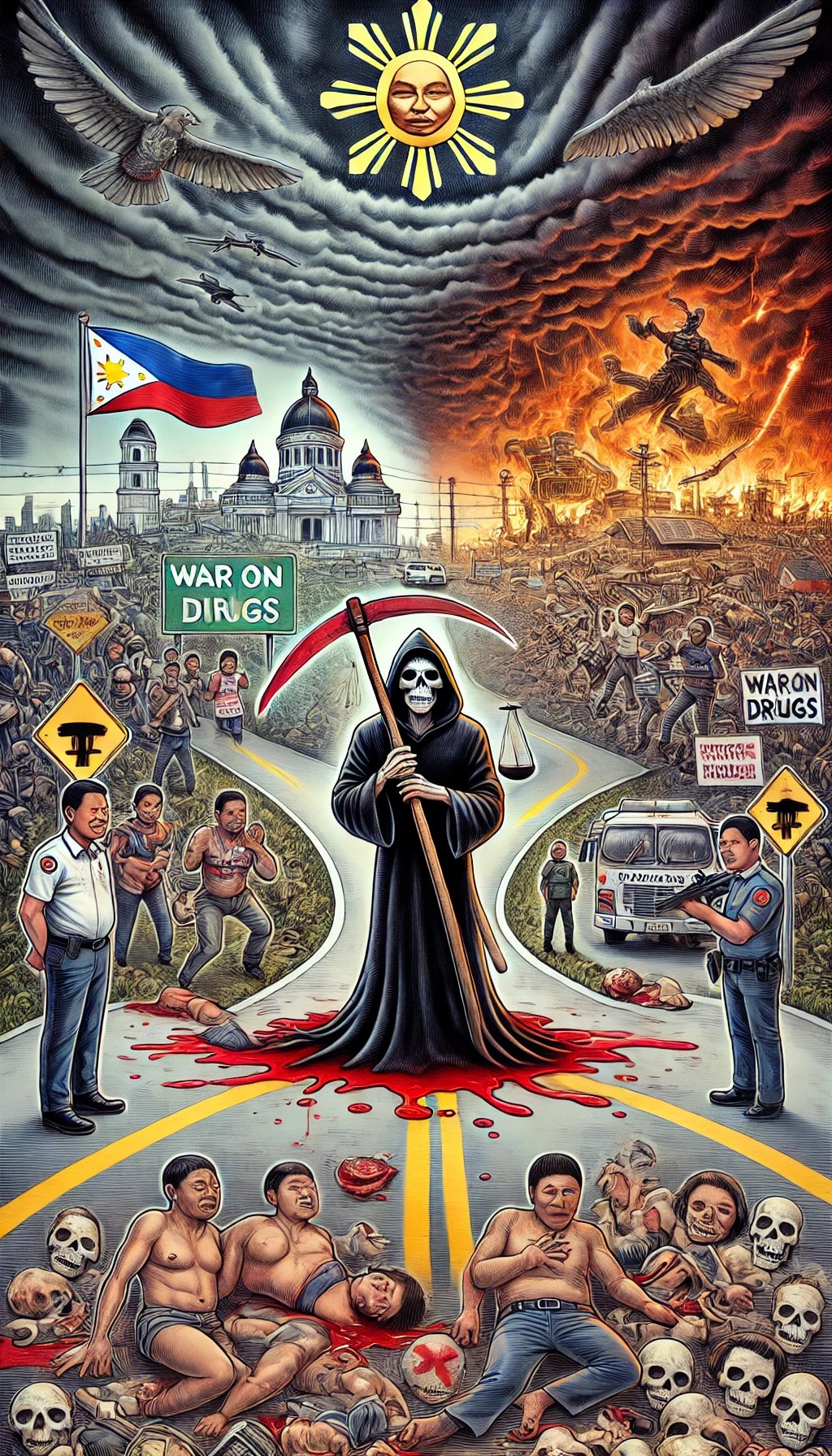
NINE years ago, the Philippines stood at a crossroads. Rodrigo Duterte’s war on drugs had just begun, and a Social Weather Stations (SWS) survey revealed a nation caught between hope and horror. An overwhelming 84% supported the campaign, craving security—yet 71% insisted that suspects should be arrested, not executed. Now, on March 25, 2025, Duterte sits in a detention cell at The Hague, no longer the feared strongman but an accused criminal facing charges of crimes against humanity. The echoes of that survey still haunt the nation.
Back then, the administration peddled a victory narrative. Communications Secretary Martin Andanar crowed in October 2016, “It’s a complete success and the people believe in it. 84% believe in the war against illegal drugs.” He flaunted 700,000 addicts who surrendered and a crime rate slashed by 49% in July. Duterte, meanwhile, had already lit the fuse, declaring in his June 2016 inauguration speech, “If you know of any addicts, go ahead and kill them yourself.” The clash was glaring: a public rooting for the war but yearning for due process, and a leader who saw death as the cure, not the curse.
Bloodlust vs. Mercy: A Nation Divided
Today, that rift feels like a grim prophecy. The administration’s fixation on numbers—surrenders, crime drops, the eradication of “drug lords”—propelled a campaign that, by 2022, left over 6,000 dead by official tallies, and perhaps 20,000 by human rights counts. Andanar’s 2016 brag of 52,000 pushers and lords nabbed and a 40% crime plunge through September brushed off the blood behind those wins. The 71% who wanted suspects alive weren’t soft—they craved justice, not corpses. Yet Duterte’s words only hardened. In 2022, he barked to police, “Before I leave, let’s finish off three or five drug lords. I want them dead, not alive.” By 2024, at a Senate hearing before his arrest, he confessed, “If they fight, kill them so it’s over.” For him, the ends always sanctified the means—means that hauled him to The Hague.
What did that 2016 survey, polling 1,200 Filipinos nationwide, expose about their soul? They hungered for order—83% even denied the war targeted the poor, a claim reality would shatter—but they held fast to life’s worth. That 71% wasn’t a passing whim; it was a moral cry that justice not morph into massacre. Duterte’s actions, from 2016’s vigilante summons to 2024’s kill orders, spat on it. The people wanted a drug war, not a death spree. He delivered carnage, and now pays the price.
Unmasking the Spin: Truth in the Numbers
The ABS-CBN report from October 7, 2016, stands firm nine years on. The SWS survey’s rigor—face-to-face interviews, a ±3% national margin of error—holds, its 84% approval and 71% life-sparing stance mirrored in 2016 coverage. Andanar’s 700,000 surrenders match Philippine National Police (PNP) logs from that year, though the 52,000 “pushers and lords” figure is more opaque, likely rounded. The crime drop—49% in July, 40% through September—tracks PNP claims, but those numbers often dodged drug-war deaths, a dodge the report didn’t call out. Its sin? Letting Andanar’s sunny tale glide by, untested by the mounting body count.
Faces of the Fallen: The Human Carnage
The cost is carved in lives like Kian delos Santos, a 17-year-old gunned down by police in 2017, his death on CCTV belying “resistance” claims. His killing ignited rage, but he was one of thousands—mostly poor, per Human Rights Watch, which by 2022 pegged over 70% of victims as laborers or petty dealers. Imagine Maria, a widow in Manila’s slums, her husband shot in 2016. “He used shabu, yes,” she might murmur, “but he was no kingpin. He deserved a chance.” The SWS’s 13% who saw the war as “centered on the poor” looks quaint now; morgues screamed the truth. By 2025, the International Criminal Court (ICC) had seen enough—Duterte’s cell reflects a world fed up with a policy that gutted families and slums.
This was a human rights nightmare from day one. The 71% who prized life in 2016 couldn’t fathom the scale—over 20,000 dead, countless orphans. Duterte’s 2024 Senate quip, “I’d rather help the poor than fund prisoners,” defended a slaughter that crushed the poor most. The Hague cell he now fills is a tardy reply to a question Filipinos posed nine years back: Can you fight drugs without damning your humanity?
Rewriting the Ending: Justice Over Revenge
The Philippines can’t unmake the past, but it can shift course. Under President Ferdinand Marcos Jr., the drug war has ebbed—killings linger, but the pace has slowed. He could heed that 71% by pivoting hard: prioritize arrests, shore up courts, and fund rehab for the 700,000 who surrendered, most left adrift. Police must answer for illegal deaths—impunity fed Duterte’s frenzy. The ICC’s case, unfolding in 2025, should jolt Manila to comply, proving accountability isn’t negotiable.
The world must push, too. The U.S. and allies, muted in 2016, can bolster the ICC with sanctions. Philippine civil society—rights groups, a gutsy press—must keep recording, lifting voices like Maria’s. Future SWS polls should cut deeper: How much blood is too much? That data could corner leaders into facing the public’s breaking point, not just their cheers.
This isn’t just Duterte’s reckoning—it’s a nation’s test. Filipinos wanted drugs gone, not lives snuffed. I see Kian’s mother at his grave, Maria scraping by for her kids. Their anguish begs more than a jail cell in The Hague—it begs a Philippines that hears. Nine years ago, 71% roared. In 2025, it’s time to answer.

- ₱8B BBM Pork: CCTV for Every Captain’s Kumpare?
- ₱75 Million Heist: Cops Gone Full Bandit

- ₱6.7-Trillion Temptation: The Great Pork Zombie Revival and the “Collegial” Vote-Buying Circus

- ₱1.9 Billion for 382 Units and a Rooftop Pool: Poverty Solved, Next Problem Please

- ₱1.35 Trillion for Education: Bigger Budget, Same Old Thieves’ Banquet
- ₱1 Billion Congressional Seat? Sorry, Sold Out Na Raw — Si Bello Raw Ang Hindi Bumili

- “We Will Take Care of It”: Bersamin’s P52-Billion Love Letter to Corruption
- “Skewed Narrative”? More Like Skewered Taxpayers!

- “Scared to Sign Vouchers” Is Now Official GDP Policy – Welcome to the Philippines’ Permanent Paralysis Economy
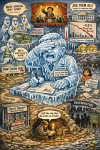
- “Robbed by Restitution?” Curlee Discaya’s Tears Over Returning What He Never Earned
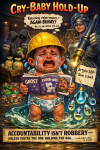
- “No Pressure” Luistro? The House Pork Bazaar Exposed
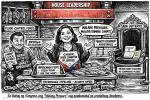
- “My Brother the President Is a Junkie”: A Marcos Family Reunion Special


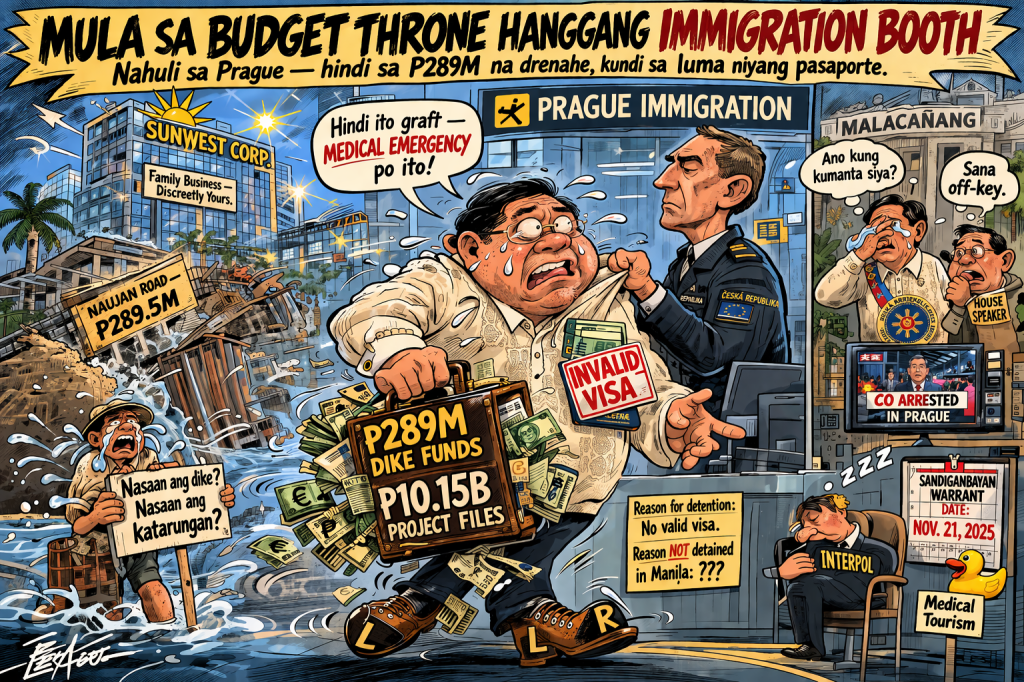
 KWEBA ni BAROK
Leave a comment