By Louis ‘Barok‘ C. Biraogo — April 9, 2025
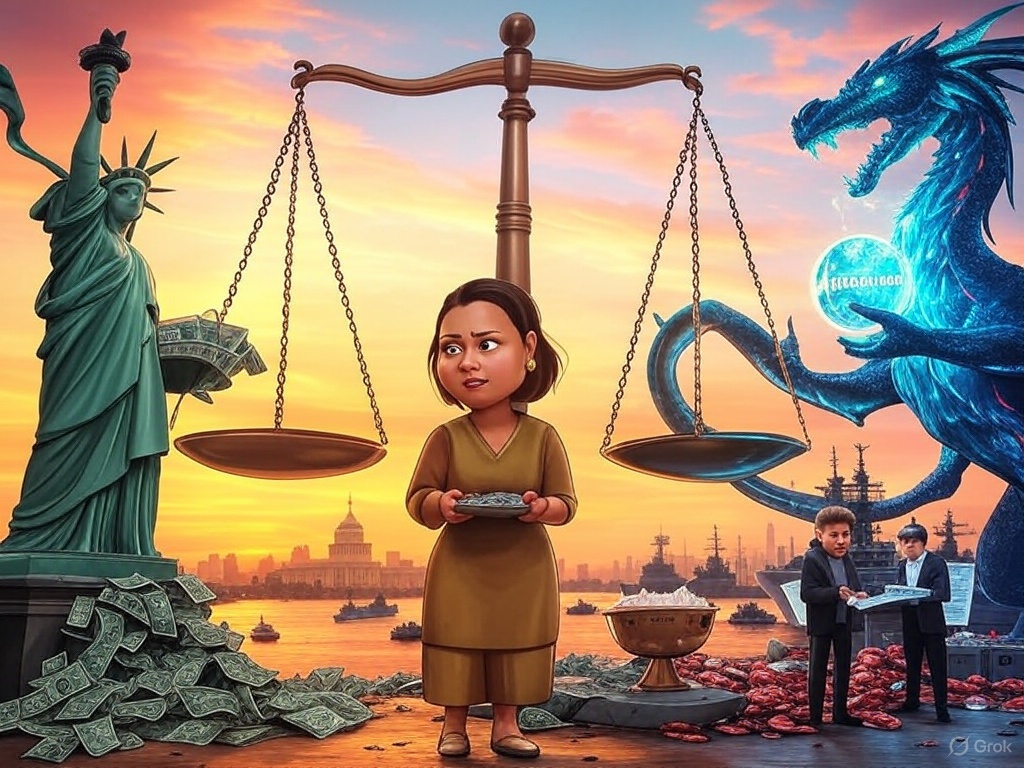
THE world may be hurtling toward a historic collision, but for Maria Santos, it starts with a smaller crisis: her children’s dinner. In Manila, the 34-year-old factory worker clutches her thinning paycheck as shifts vanish under the weight of U.S.-China trade blows. “I just want my kids to eat,” she says, her voice brittle with worry. Billionaire Ray Dalio warns this isn’t just a trade spat—it’s the unraveling of global order, echoing centuries of power shifts. Could he be right? Or are we writing our own ending to history’s familiar script?
Dalio’s lens is history’s long arc. In his book, Principles for Dealing with the Changing World Order, he maps 250-year cycles of rise and fall. The Dutch, in the 1600s, rode trade and the guilder to global dominance, only to buckle under debt and war. The British, in the 1800s, powered by steam and colonies, faltered as inequality and overreach eroded their grip. America, post-World War II, became the world’s banker and enforcer, its dollar the lifeblood of trade. Each empire, Dalio says, soared after war, then crumbled under bubbles, strife, and hubris. His charts—clean, merciless—show the U.S. in descent, its debt soaring, its politics fracturing like ice under a hammer. China, meanwhile, climbs, echoing Britain’s early industrial sprint.
But today’s world feels different. Technology—AI, quantum computing—races faster than any clipper ship or steam engine. The internet binds economies in ways the Dutch East India Company couldn’t dream of. Globalization, for all its flaws, makes outright war costlier than ever. Yet parallels haunt us. The U.S.’s $29.2 trillion economy grew 2.8% in 2024, robust but shadowed by a debt crisis Dalio calls “shocking.” Political tribalism festers, with Congress gridlocked like a rusted engine. China’s $18.9 trillion GDP grew 5%, but its property bubble and aging population are cracks in the facade. History’s script feels familiar, yet the stage is new. Can tech rewrite the ending?
Geopolitically, Dalio’s warning of conflict feels like a rope fraying under tension. Last week’s market plunge—India’s indices down 5%, Japan’s Nikkei off 6.5%—followed President Trump’s tariff salvo and Beijing’s vow to retaliate. Federal Reserve Chair Jerome Powell, on April 4, called the tariffs “larger than expected,” warning of inflation and stunted growth. Dalio’s thesis fits like a glove: dominant powers don’t fade quietly. The U.S.-China trade war, now a full-blown economic siege, mirrors Anglo-Dutch naval clashes or Britain’s opium wars. In the South China Sea, military posturing grows bolder—Chinese vessels shadow Philippine fishermen, a reminder that Maria’s struggles aren’t just economic. Conflict, Dalio says, is the crucible of transition. Are we stoking that fire?
Economically, the U.S. and China are giants with clay feet. America’s strengths—tech giants, consumer spending—prop up its lead, but the Leading Economic Index fell 0.3% in February 2025, signaling a 40% recession risk. Dalio’s debt alarms echo here: unfunded liabilities loom like a tsunami. China, targeting 5% growth in 2025, faces its own demons—property starts dropped 23% last year, and consumer confidence is a whisper. Yet Beijing’s tech bets, from AI to semiconductors, signal ambition. Dalio’s charts show China’s ascent, but numbers don’t tell all. A Chinese friend, a Shanghai entrepreneur, confides: “We’re growing, but it feels like running on a treadmill—fast, but not forward.” Both nations stumble, yet neither yields.
For stakeholders, the risks are stark. Investors, battered by the Nasdaq’s bear market, should diversify—gold, bonds, or emerging markets like Vietnam, less exposed to U.S.-China crossfire. Policymakers in Washington must tame debt and bridge divides, not fan tariff flames. The Philippines, caught in the superpower tug-of-war, faces a tighter rope. Maria’s factory job hinges on trade routes through contested waters. Manila should hedge—deepen ties with Japan and the EU, invest in tech training to pivot from low-wage exports. A Filipino official tells me: “We’re allies with America, but China’s our neighbor. We can’t pick a side.” Diplomacy, not just dollars, will save Maria’s kids’ future.
Skeptics challenge Dalio’s vision. Critics, like those in Medium’s review of his book, argue he oversimplifies, ignoring globalization’s web or America’s knack for reinvention. U.S. tech—think Nvidia’s AI chips—still sets the pace. China’s demographic cliff, with a shrinking workforce, could stall its rise, as Forbes notes. Dalio’s cycles feel deterministic, yet history isn’t fate. The U.S. dollar remains king; no rival, not even the yuan, is close. Still, his warning stings because it names truths we dodge: division weakens us, debt binds us, and pride blinds us.
Maria, in Manila, doesn’t read Dalio’s charts, but she feels their weight. Her factory may close if tariffs persist. Her son dreams of college, but school fees slip further out of reach. Empires rise and fall, but it’s people like Maria who pay the price. Dalio’s history lesson isn’t just academic—it’s a plea to act. We’ve seen this play before: power shifts, tempers flare, wars ignite. Yet we’re not puppets of the past. We can choose—bridge gaps, rethink trade, prioritize people over pride. Will we repeat history’s bloodshed, or finally learn?

- ₱75 Million Heist: Cops Gone Full Bandit

- ₱6.7-Trillion Temptation: The Great Pork Zombie Revival and the “Collegial” Vote-Buying Circus

- ₱1.9 Billion for 382 Units and a Rooftop Pool: Poverty Solved, Next Problem Please

- ₱1.35 Trillion for Education: Bigger Budget, Same Old Thieves’ Banquet
- ₱1 Billion Congressional Seat? Sorry, Sold Out Na Raw — Si Bello Raw Ang Hindi Bumili

- “We Will Take Care of It”: Bersamin’s P52-Billion Love Letter to Corruption
- “Skewed Narrative”? More Like Skewered Taxpayers!

- “Scared to Sign Vouchers” Is Now Official GDP Policy – Welcome to the Philippines’ Permanent Paralysis Economy
- “Robbed by Restitution?” Curlee Discaya’s Tears Over Returning What He Never Earned
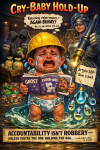
- “No Pressure” Luistro? The House Pork Bazaar Exposed
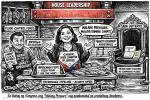
- “My Brother the President Is a Junkie”: A Marcos Family Reunion Special

- “Mapipilitan Akong Gawing Zero”: The Day Senator Rodante Marcoleta Confessed to Perjury on National Television and Thought We’d Clap for the Creativity
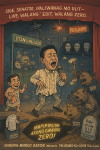
- “Just Following Orders” Is Dead: How the Hague Just Turned Tokhang’s Finest Into International Fugitives
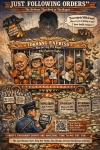
- “I Warned You in 2022!” — Sara’s Crystal Ball Meets Claire’s Nonfeasance Roast
- “Everything’s Normal” — Except the Prices Killing Filipino Families

 KWEBA ni BAROK
Leave a comment