
By Louis ‘Barok‘ C. Biraogo — May 2, 2025
HOUSE Majority Leader Mannix Dalipe’s cyberlibel suit against The Manila Times, filed April 28, 2025, over a bombshell report tying him to a supposed Marcos plot to crush the Duterte camp, is a legal and political firestorm. The article, alleging Dalipe signed off on “Oplan Horus” to sabotage Duterte’s senatorial slate, has sparked a battle that’s less about defamation and more about election-year power plays. With the 2025 midterms looming, this case could kneecap Philippine journalism. Here’s a Kweba ng Katarungan-style teardown of the legal nuts and bolts, political machinations, and what’s at stake for press freedom.
1. Legal Showdown: Can Dalipe Slam The Manila Times for Cyberlibel?
a. Unpacking Cyberlibel: Does the Case Hold Water?
To nail The Manila Times for cyberlibel under the Cybercrime Prevention Act of 2012 (RA 10175) and Revised Penal Code (Art. 353), Dalipe must prove four elements. Let’s rip them apart:
- Publication: Slam dunk. The April 23, 2025, article, “Leaked paper lays out poll attack plan,” went viral on The Manila Times’ website and its Facebook page, with over a million followers and thousands of shares. It’s public as a billboard.
- Defamatory Imputation: The report accuses Dalipe of masterminding “Oplan Horus,” a scheme to kneecap the Dutertes with impeachment, asset freezes, and ICC collusion. Linking a congressman to bribery and propaganda is a reputational gut punch, especially for a Zamboanga City mayoral candidate. The document’s sloppy slang (“Duts” for Duterte) only makes it more scandalous, not less damaging.
- Malice: Here’s the juicy bit. As a public figure, Dalipe needs actual malice—proof The Manila Times knew the report was false or acted with reckless disregard (New York Times v. Sullivan, adopted in Guingona v. CA (G.R. No. 136296, 2001). Dalipe claims the outlet didn’t verify with him, despite Alyansa’s Toby Tiangco calling the document “fabricated.” Relying on an anonymous source while ignoring Dalipe smells like journalistic malpractice. If the document’s fake, this could scream malice.
- Identifiability: No wiggle room—Dalipe is named as the document’s signatory. Checkmate.
Verdict: Dalipe’s case is a legal juggernaut. The report’s reach, defamatory sting, and shaky verification hit all cyberlibel marks. Malice is the wildcard, but skipping Dalipe’s input could sink The Manila Times.
b. The Manila Times’ Defense: Grasping at Straws?
The Manila Times has a few legal lifelines, but they’re flimsy:
- Truth (Art. 361, RPC): Truth is a bulletproof defense if published with good faith and for public benefit. If “Oplan Horus” is real, the outlet could claim it exposed election dirty tricks—a voter must-know. But Dalipe’s denial, Tiangco’s rejection, and the document’s casual vibe (e.g., “BG” for Bong Go) scream forgery. Without hard proof, truth is a pipe dream.
- Fair Comment Borjal v. CA (G.R. No. 126466, 1999): The outlet might argue the report was opinion on a public issue, protected under Borjal’s fair comment doctrine. Nope. The article pitches “Oplan Horus” as fact, citing a “leaked” document and a source. This isn’t an op-ed; it’s a news hit alleging specific crimes. Fair comment’s a non-starter.
- No Malice: The Manila Times could claim good faith, pointing to Tiangco’s input and their source’s confidence. But People v. Santos/Ressa (G.R. No. 250978, 2020) shows courts hate sloppy verification. Ressa got burned for not correcting a false claim; here, publishing post-Tiangco’s denial without contacting Dalipe is a similar fumble. Breaching the Philippine Journalists’ Code of Ethics on accuracy doesn’t help.
Counterpoint: The outlet might argue the report’s public-interest value—exposing Marcos-Duterte warfare—outweighs harm. But without proof the document’s legit, this is more bravado than defense.
c. Procedural Landmines: Any Technical Fouls?
- Prescriptive Period (People v. Causing G.R. No. 188456, 2014): Cyberlibel’s one-year clock starts at discovery. Dalipe filed five days after the April 23 report. He’s golden.
- Jurisdiction (Cybercrime Prevention Act of 2012, RA 10175, Sec. 21): RA 10175’s extraterritorial reach covers where the article was published or accessed. Dalipe filed in Zamboanga City, his turf and a likely hotspot for the report’s spread. Jurisdiction’s airtight.
Takeaway: No procedural hiccups. Dalipe’s case hinges on proving falsity and malice, both within reach if the document’s a sham.
2. Political Puppetry & Ethical Quagmires: What’s Really Going On?
a. Election-Year Bloodbath: Marcos vs. Duterte
This case is a front-row seat to the Marcos-Duterte cage match. Dalipe, a Romualdez loyalist, is accused of spearheading a plot to crush the Dutertes’ 2025 senatorial slate with impeachment, asset freezes, and ICC assists against Duterte allies like Bong Go and Bato dela Rosa. Dropping this “leak” weeks before the May 2025 midterms is either a journalistic coup or a political grenade.
Dalipe’s Zamboanga City mayoral run against Duterte ally Rep. Khymer Adan Olaso ups the ante. Olaso’s past gripes about Marcos “weaponizing” the 2025 budget frame the report as part of a narrative: the administration’s out to bury Duterte loyalists. True or not, the report could sway Zamboanga voters, where Duterte’s name still carries weight. Dalipe’s lawsuit looks like a desperate bid to shut down the chatter and save his campaign.
b. Press Freedom Under Siege: Cyberlibel’s Chilling Shadow
Cyberlibel laws are a journalist’s nightmare, and this case proves why. Disini v. Secretary of Justice (G.R. No. 203335, 2014) upheld RA 10175 but cautioned against squashing free speech. Yet, Rappler’s 2022 data (Decriminalize libel) shows cyberlibel’s weaponization: of 3,700 cases since 2012, 1,131 were tossed, with just 12 convictions. That’s a 30% dud rate, screaming harassment over justice.
The Manila Times’ ethical faceplant doesn’t help. The Philippine Journalists’ Code of Ethics (Philippine Press Institute) demands bulletproof verification, but the outlet banked on an anonymous source and Tiangco’s denial without ringing Dalipe. That’s not just lazy—it’s begging for a lawsuit. The AP Stylebook (Associated Press) would’ve demanded multiple sources and direct outreach. This slip-up hands Dalipe ammo.
The real damage? Cyberlibel’s seven-year jail threat under RA 10175 forces reporters to tiptoe around powerful figures, especially on election scandals. The Philippines’ 132nd spot on the 2024 World Press Freedom Index (Reporters Without Borders) says it all. Dalipe’s suit, win or lose, tells media: mess with Marcos’ crew, and you’re toast.
3. Battle Plan: Saving Journalism from Cyberlibel’s Clutches
This case lays bare the rot in Philippine libel law and media practice. Here’s the fix:
- Kill Criminal Libel: The UN Human Rights Committee (2011 General Comment No. 34) calls for decriminalizing libel, pushing civil remedies to avoid jailing reporters. With 1,131 of 3,700 cyberlibel cases dismissed, the Philippines’ law is a political bludgeon, not a justice tool. Scrap criminal penalties and let courts settle reputation spats civilly.
- Media Glow-Up: Outlets like The Manila Times need to channel AP Stylebook rigor: multiple sources, direct contact with accused parties, and clear sourcing disclaimers. A call to Dalipe could’ve dodged this bullet. The Philippine Press Institute (PPI Training) should drill cyberlibel defenses into reporters’ heads.
- Courts, Step Up: Judges must wield the actual malice standard like a scalpel, per Disini. If The Manila Times shows any good-faith effort (e.g., Tiangco’s input), courts should boot frivolous suits to protect public-interest scoops. A tough malice test saves journalism without excusing recklessness.
Final Blow: A Lawsuit Masquerading as Justice
Mannix Dalipe’s cyberlibel war on The Manila Times is political theater with legal claws. He’s got a solid shot—The Manila Times’ verification flop and the document’s fishy vibe scream malice if it’s fake. But this isn’t about Dalipe’s honor; it’s a Marcos-Duterte proxy fight, with his Zamboanga mayoral bid and the 2025 elections as the prize. The press, already battered, takes another hit as cyberlibel laws choke free speech. This case isn’t justice—it’s a warning to journalists: expose the powerful, and you’ll bleed. Decriminalize libel, or watch Philippine democracy drown in silence.
Key Citations:
- Disini v. Secretary of Justice (G.R. No. 203335, 2014)
- Borjal v. CA (G.R. No. 126466, 1999)
- People v. Santos/Ressa (G.R. No. 250978, 2020)
- RA 10175
- Rappler: Decriminalize libel
- Philippine Journalists’ Code of Ethics
- UNHRC General Comment No. 34, 2011
Disclaimer: This is legal jazz, not gospel. It’s all about interpretation, not absolutes. So, listen closely, but don’t take it as the final word.

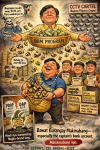
- ₱8B BBM Pork: CCTV for Every Captain’s Kumpare?
- ₱75 Million Heist: Cops Gone Full Bandit

- ₱6.7-Trillion Temptation: The Great Pork Zombie Revival and the “Collegial” Vote-Buying Circus

- ₱1.9 Billion for 382 Units and a Rooftop Pool: Poverty Solved, Next Problem Please

- ₱1.35 Trillion for Education: Bigger Budget, Same Old Thieves’ Banquet

- ₱1 Billion Congressional Seat? Sorry, Sold Out Na Raw — Si Bello Raw Ang Hindi Bumili

- “We Will Take Care of It”: Bersamin’s P52-Billion Love Letter to Corruption

- “Skewed Narrative”? More Like Skewered Taxpayers!

- “Scared to Sign Vouchers” Is Now Official GDP Policy – Welcome to the Philippines’ Permanent Paralysis Economy
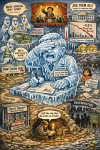
- “Robbed by Restitution?” Curlee Discaya’s Tears Over Returning What He Never Earned

- “No Pressure” Luistro? The House Pork Bazaar Exposed
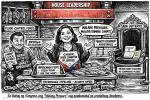
- “My Brother the President Is a Junkie”: A Marcos Family Reunion Special


 KWEBA ni BAROK
Leave a comment